


June
04
/ 2026
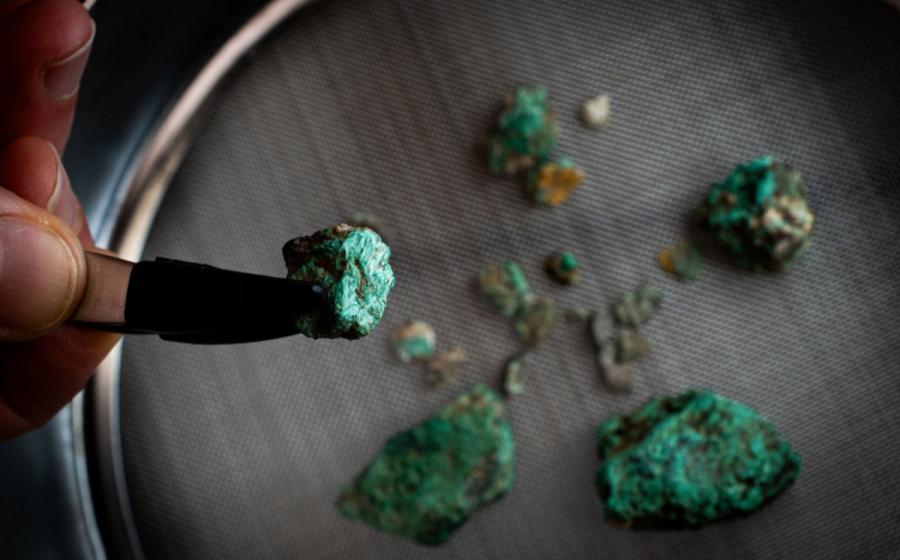
High in the eastern Pyrenees, at an astonishing altitude of 2,235 meters (7,333 feet) above sea level, a remote cave known as Cova 338 has yielded evidence of intense, organized, and recurrent human occupation spanning over four millennia. Among the finds, a collection of crushed green stones, personal jewelry, and a child’s skeletal remains are shedding light on a sophisticated prehistoric community that repeatedly braved extreme alpine conditions to exploit valuable mineral resources. The discovery, published in the journal Frontiers in Environmental Archaeology, challenges the long-standing archaeological consensus that high-mountain environments were merely marginal territories. Historically, researchers assumed that Neolithic and Bronze Age societies only passed through these high altitudes sporadically. Instead, the rich sequence of hearths and artifacts excavated

















