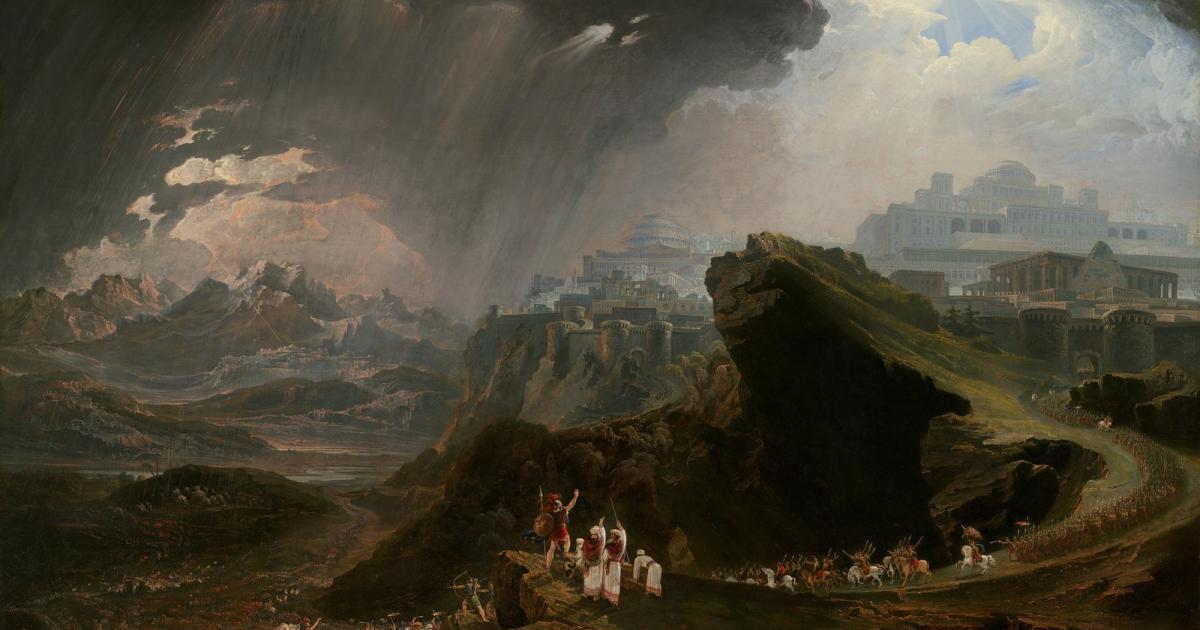

Five Amorite kings had marched on the town of Gibeon, a few miles north of Jerusalem, and the Book of Joshua says Joshua came up from Gilgal and routed them. As the enemy fled, hailstones killed more of them than the swords of Israel did. Then, in the sight of the whole army, Joshua spoke a command to the sky: "Sun, stand thou still upon Gibeon."
In the King James Version, the sun obeyed. "So the sun stood still in the midst of heaven, and hasted not to go down about a whole day," Joshua 10:13 reports, and the next verse adds that "there was no day like that before it or after it, that the LORD hearkened unto the voice of a man."
Right in the middle of that passage, the narrator stops to ask the reader a question. "Is not this written in the book of Jasher?" The writer is citing an outside book in support of a miracle, as if a reader in ancient Israel could walk to a shelf and check it.
The same book appears again in 2 Samuel, at one of the most famous moments in the story of David. Saul and his son Jonathan have died fighting the Philistines on Mount Gilboa, and David composes a lament for them that begins with the line "The beauty of Israel is slain upon thy high places: how are the mighty fallen!" Before the poem starts, 2 Samuel 1:18 says David ordered it taught to the people of Judah, and adds, "behold, it is written in the book of Jasher."
So the biblical writers knew this book, quoted it and expected their readers to know it too. Then it disappeared, and no manuscript, fragment or inscription of it has ever been identified. Its name, however, refused to die.