April
07
/ 2026
New research into ancient Mongolian burial mounds, known as khirigsuurs, is challenging long-held assumptions about the scale of communal feasting that took place at these monumental sites during the Late Bronze Age. While these stone structures are widely recognized as centers for ritual activity and seasonal gatherings, a recent study suggests that the intensive butchering and mass consumption of horses did not occur directly at the monuments as previously believed. Instead, evidence points to a more complex system of off-site preparation and selective ceremonial deposition. Khirigsuurs are prominent features of the Mongolian and southern Siberian landscapes, dating roughly between 1200 and 700 BC. They typically consist of a central stone burial mound surrounded by a circular or rectangular fence, and


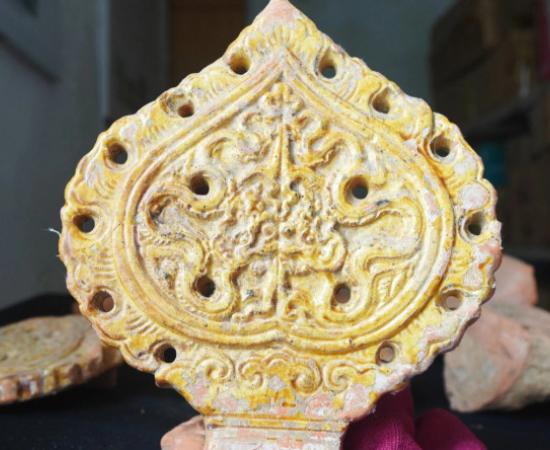





![The Great Pyramid Of Giza Top image: The Great Pyramid of Giza under a starlit sky, highlighting the North Face. Source: [Pixabay/Creative Commons] Image](/sites/default/files/styles/article_popular/public/field/image/Great%20Pyramid%20Of%20Giza_0.jpg?itok=EjAqNQlu)