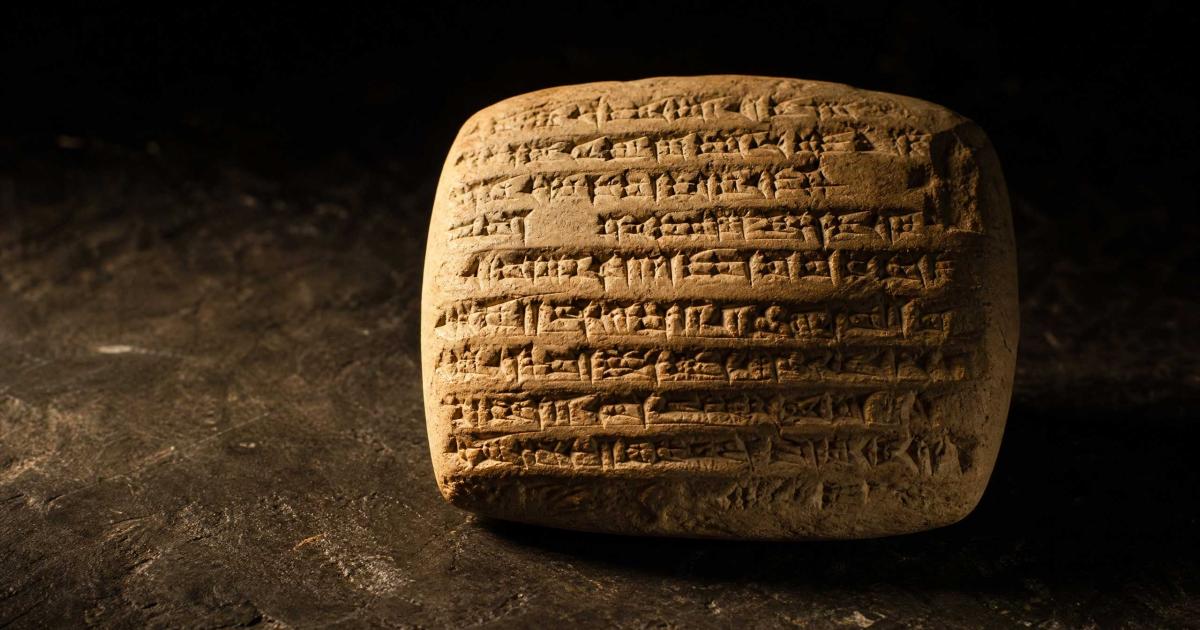

If you have spent any time on the internet over the last decade, you have likely encountered Ea-nasir. He is the ancient world's most infamous scammer, a Bronze Age copper merchant who delivered substandard ingots, insulted his customers, and kept their angry letters in his house until it burned down. His primary victim, Nanni, penned a furious clay tablet circa 1750 BC that Guinness World Records officially recognizes as the oldest written customer complaint in history.
The story is hilarious, relatable, and seemingly perfect for the digital age. We all know the frustration of ordering a high-quality product and receiving garbage. We all know the sting of terrible customer service. The memeification of Ea-nasir, casting him as the original shady online marketplace seller, has introduced millions of people to ancient Mesopotamian history.
But when you strip away the memes, the Tumblr posts, and the modern projections, what is the actual truth about Ea-nasir, Nanni, and the copper trade of Ur?
As it turns out, the real story preserved in the clay of "No. 1 Old Street" is far more complex, more regulated, and ultimately more fascinating than the internet legend suggests.
To uncover the true scale of Ea-nasir's fraudulent empire, we must look beyond Nanni's famous letter and examine the entire archive found in his home. What archaeologists discovered changes everything we know about this ancient merchant.