
November
25
/ 2015
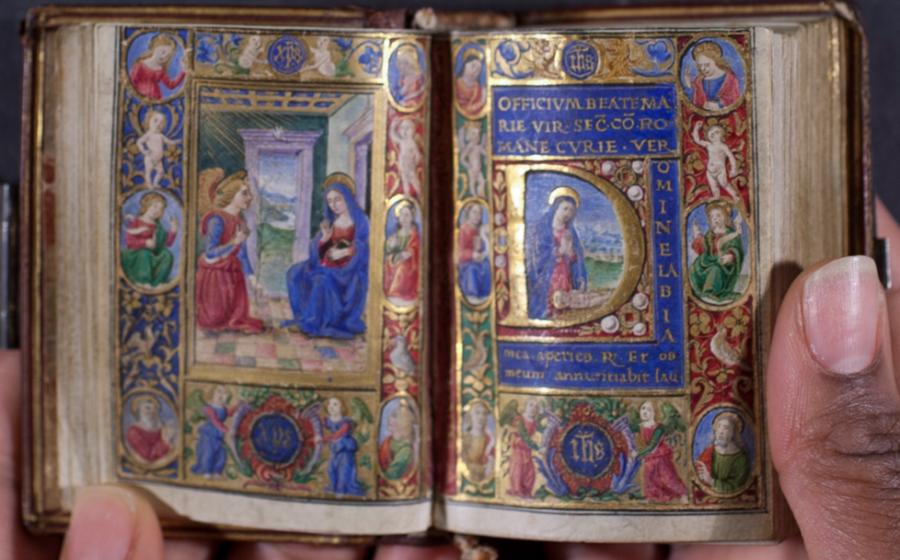
A simple PVC eraser has helped an international team of scientists led by bioarchaeologists at the University of York to resolve the mystery surrounding the tissue-thin parchment used by medieval scribes to produce the first pocket Bibles. Thousands of the Bibles were made in the 13th century, principally in France but also in England, Italy and Spain. But the origin of the parchment -- often called 'uterine vellum' -- has been a source of longstanding controversy. Use of the Latin term abortivum in many sources has led some scholars to suggest that the skin of fetal calves was used to produce the vellum. Others have discounted that theory, arguing that it would not have been possible to sustain livestock herds