Willem McLoud

Profile picture for user Willem McLoud
Willem
McLoud

Willem McLoud is an independent scholar with a keen interest in ancient Middle Eastern and Mediterranean studies, Kantian philosophy and philosophy of science. Willem holds a PhD in Nuclear Physics (Nuclear Fusion) as well as three Masters’ degrees. He is an innovative thinker who produced original work in various fields published in peer-review journals, his research of and writing about the ancient world stretching over more than three decades.


McLoud’s main areas of study regarding the ancient Middle East are the Sumerian, Akkadian and early Egyptian civilizations, with special focus on the Uruk and Akkadian Periods in Mesopotamian history and the Old Kingdom Period in Egyptian history. The legends and myths associated with these great heroic ages of the ancient Middle East is a great passion of his. Willem had the privilege of participating for a few years in a Sumerian reading group led by the cuneiform specialist, Prof Fanie Vermaak. Additionally, he has a keen interest in the civilizations that formed in the eastern Mediterranean Region during the early second millennium BC, also finding the early Roman Era and the origins of Christianity captivating. 


As part of his research and writing projects, he has led many a research tour to the Middle East as well as the Black Sea and Mediterranean regions, visiting countries such as Egypt, Israel, Jordan, Lebanon, Turkey, Greece, Italy, Bahrain, Iran, Armenia, Georgia, Ukraine, Romania and Bulgaria to name but a few. McLoud developed a new ancient Middle Eastern chronological model in which the Mesopotamian high chronology is correlated with the Egyptian low chronology, published in the Journal for Semitic Studies (2019/2). This model was afterwards dramatically confirmed by the newly published text of the recently discovered Epic of Gulkišar (Journal for Semitics 2020/1). Willem also developed a Sumerian Hypothesis to explain the many Mesopotamian influences in the primeval history in the Book of Genesis (Journal for Semitics 2020/2).


Willem McLoud is the author of The Nephilim, an extensive and authoritative trilogy tracing the long and legendary tradition of those claiming descent from the gods from ancient Sumer and Egypt through the Mediterranean Region and later into Europe to our present times. The first book, The Nephilim, Kings of an Epic Age (2021), focuses on the glorious age of Sumerian and Akkadian greatness, whereas the second book, The Nephilim, An Unholy Brood (2022), picking up from the first, tells the story of an ancient Mediterranean race who appeared in Canaan early in the second millennium BC before migrating through the Mediterranean Region, a cursed race called the “dragon seed” amongst others. The third book, The Nephilim, Grail Bloodlines (2023), follows the Nephilim tradition and groups and families associated with it into the heartland of Europe and throughout European history to the present day.

Member for

7 years

View Recent Blogs

Recent years have witnessed a surge of interest in the enigmatic figures known as the Nephilim, the “fallen ones” of biblical lore. However, a true understanding of these beings requires a broader perspective, one that acknowledges a long and remarkably consistent tradition of their existence throughout the ancient world. From the fertile crescent of Mesopotamia to the sands of Egypt and the shores of the Mediterranean, tales of god-kings, mighty heroes, and giants have echoed through the corridors of history.

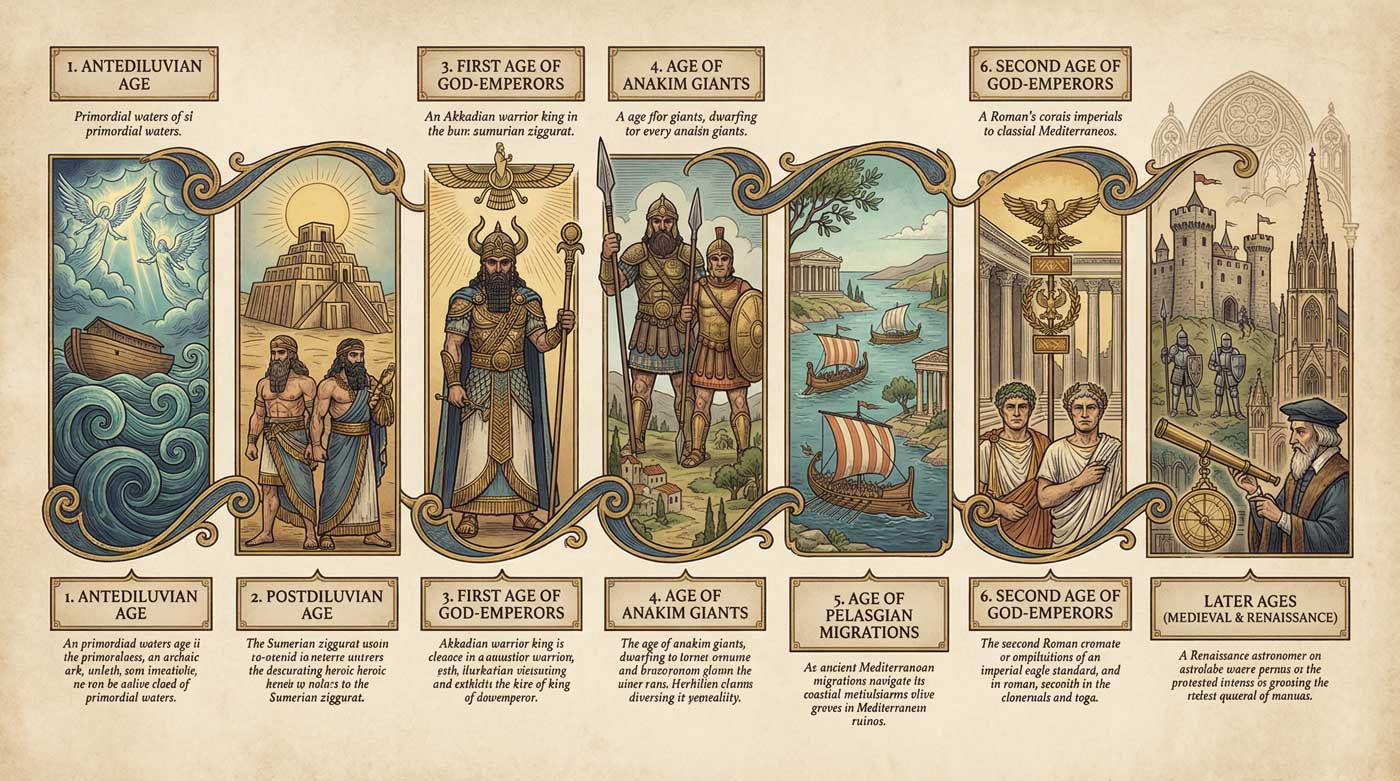
Long before the first pyramids pierced the Egyptian sky, before the great ziggurats of Mesopotamia touched the heavens, there existed a world shrouded in mystery. A world where gods walked among mortals, where celestial beings descended to Earth, and where Giants roamed the land. This is the world of the Antediluvian Age, a primordial epoch lost to the mists of time, yet preserved in the most ancient traditions of humanity. At the heart of this forgotten age lies one of history's most enigmatic mysteries: the Nephilim.

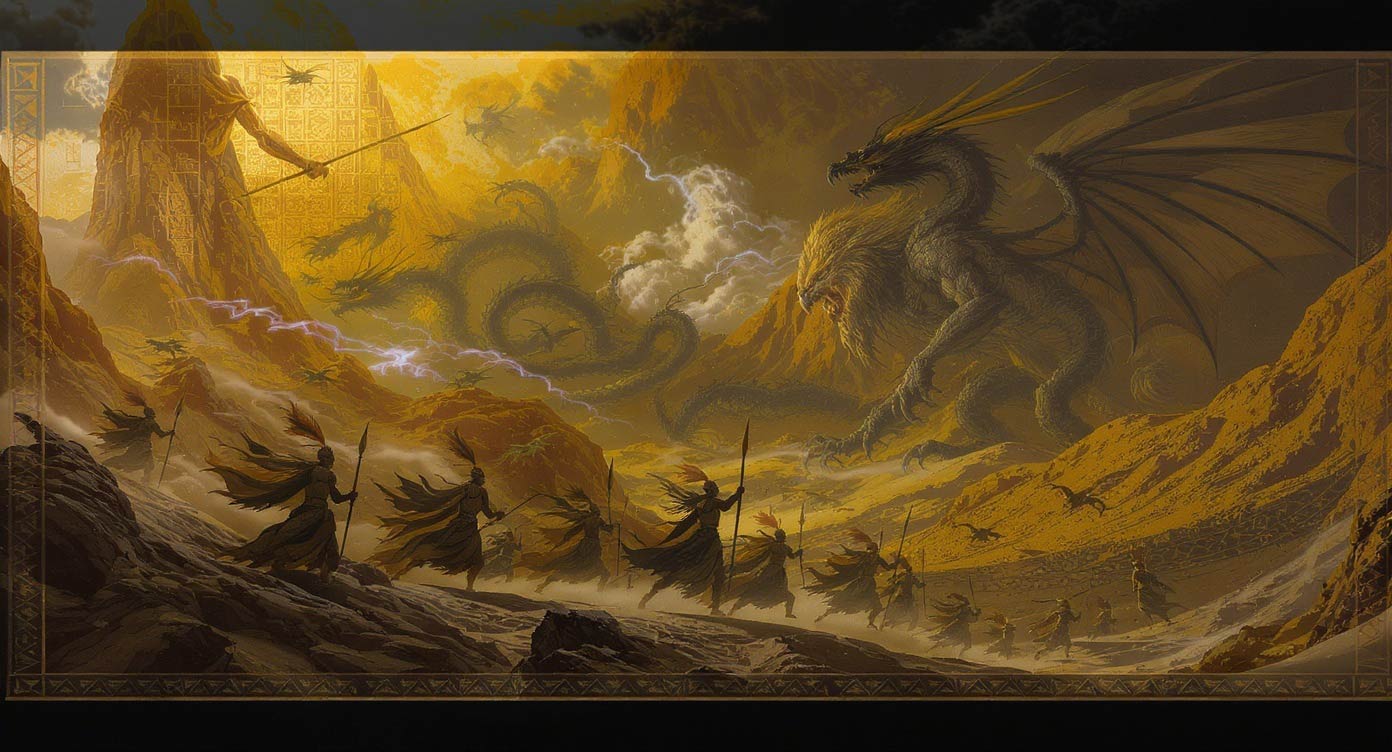
In the shadowy mountains of ancient Mesopotamia, where the first empires clashed and legends were born, lived a people whose very name meant "cave dwellers", yet whose influence would echo through millennia of myth and scripture. The Hurrians, fierce mountain warriors with their deadly bows and masterful metalwork. They were the forgotten architects of humanity's most lasting supernatural stories. When ancient scribes described enemies with "bodies of cave birds" and "ravens' faces," when they told tales of stone giants rising from primordial seas, and when they carved cylinder seals showing gods battling monstrous "birdmen," they were recording something extraordinary: the Hurrians had become the template for the very concept of giants in human imagination. Is this just mythology? Recent archaeological

In the shadowy mountains of ancient Mesopotamia, where the first empires clashed and legends were born, lived a people whose very name meant "cave dwellers", yet whose influence would echo through millennia of myth and scripture. The Hurrians, fierce mountain warriors with their deadly bows and masterful metalwork. They were the forgotten architects of humanity's most lasting supernatural stories.

The greatness of the world’s first empire, the Akkadian Empire (c. 2370-2190 BC), had a major impact on later Mesopotamian tradition. Once the stories about those kings and the gods who gave them those victories took hold in the popular imagination, they became the stuff that great legends and myths are made of.

The greatness of the world’s first empire, the Akkadian Empire (c. 2370-2190 BC), had a major impact on later Mesopotamian tradition. Once the stories about those kings and the gods who gave them those victories took hold in the popular imagination, they became the stuff that great legends and myths are made of. Some of the greatest Babylonian, Canaanite, Greek, Egyptian, Persian, Indian and other legends and myths can be tracked down to stories once told about those rulers as has recently been shown in the work of Willem McLoud, Dragon Seed (2025) and The Nephilim: Kings of An Epic Age (2021). Of particular interest is the way in which these legends and myths complement each other on the human
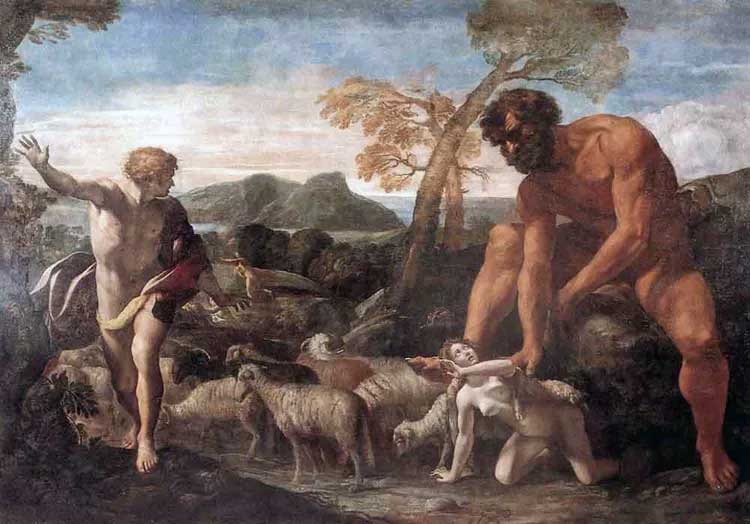
The Retjenu was one of the most important peoples of ancient Canaan. What make them fascinating are their mysterious origins, their connection with the Hyksos as well as their strange but intimate association with a tradition about Giants. The Retjenu in Egyptian Inscriptions The earliest mention made of the Retjenu appears in The Story of Sinuhe. Set during the time of the early 12th Dynasty, this story tells about an Egyptian official who fled to Canaan after the death of King Amenemhet I, founder of the 12th Dynasty in c. 1937 BC. The author identifies the land to the north of Byblos as Retjenu. In the story, mention is made of Amunenshi, the ruler of Retjenu, and a certain “hero

The Retjenu was one of the most important peoples of ancient Canaan. What make them fascinating are their mysterious origins, their connection with the Hyksos as well as their strange but intimate association with a tradition about Giants.

Long before Homer retold the stories of the mighty deeds of the great warriors who took part in the Battle of Troy, similar tales were told and retold by Sumerian and Akkadian bards. The epic traditions of Sumer and Akkad have, however, and sadly, I may add, not been afforded the same attention in Western society as, for instance, the Homeric tales. This is extremely unfortunate as these heroic tales reflect a period of unparalleled and unique greatness and should therefore at least enjoy equal importance. The world’s first God-Emperor, who was not only the powerful ruler of the world ’s first empire, but also the very first to be worshiped as a great god in the official state religion during his