RyanKralik

Profile picture for user RyanKralik
Ryan
Kralik

Ryan Kralik is a writer exploring how civilizations encode meaning and memory across time. He is the author of the forthcoming book It From Us – An Information-First Framework and the Purpose of Consciousness, which argues that information — not matter — is the foundation of reality. Learn more at 

Member for

1 year 1 month

View Recent Blogs

We often speak of “lost civilizations.” The phrase conjures Indiana Jones-esque images of vine-choked ruins, vanished peoples, and mysteries swallowed by time. The Maya, the Indus Valley, Sumer, the builders of Göbekli Tepe - the language of loss suggests they simply disappeared, their cultures erased as if they had never been.  Eaten by time and digested by landscape.

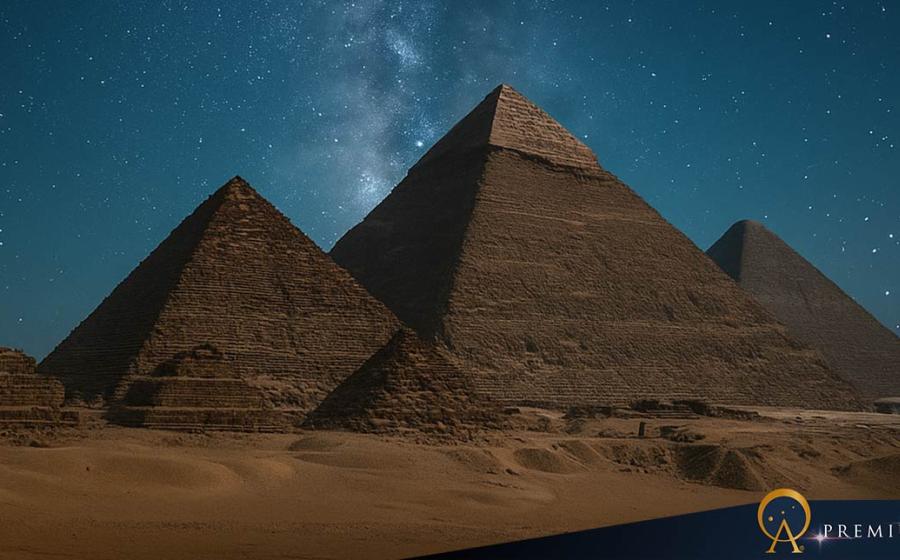
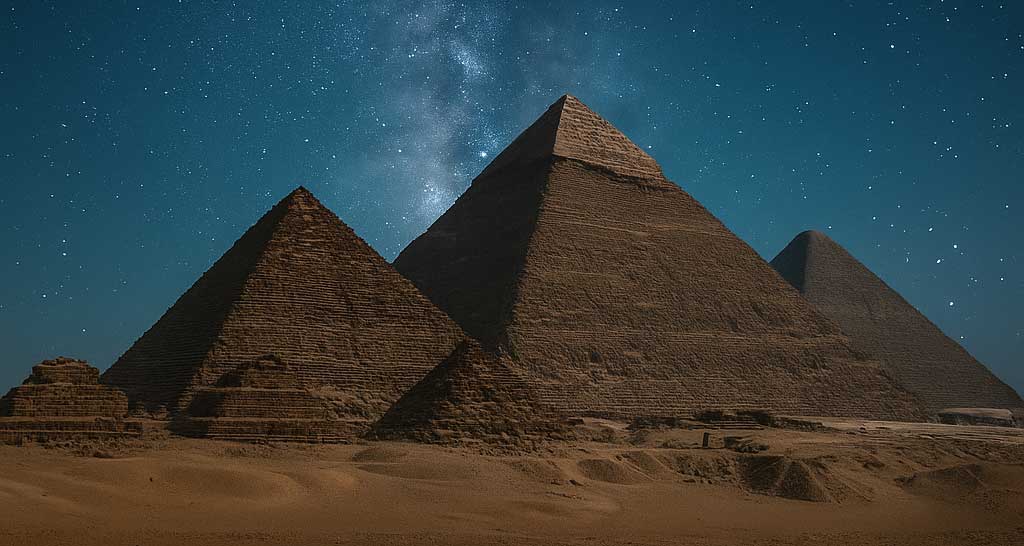
Stone as the First Hard Drive Across the world, ancient civilizations raised monuments of bewildering scale and precision. Pyramids, ziggurats, megaliths, earthen mounds and vast stone circles — these structures required staggering effort to build, yet endured long after the societies that built them faded. Archaeologists have long labeled them tombs, temples, or ritual centers, and they may be those. But what if they were something more? What if these massive works were persistence systems — deliberate attempts to encode cultural memory into the only medium capable of withstanding millennia: stone? Seen this way, alignments with solstices, carvings of animals and symbols, and geometric perfection weren’t just religious or political expressions. They were layers of durable information — civilization’s way


Stone as the First Hard Drive

Across the world, ancient civilizations raised monuments of bewildering scale and precision. Pyramids, ziggurats, megaliths, earthen mounds and vast stone circles — these structures required staggering effort to build, yet endured long after the societies that built them faded. Archaeologists have long labeled them tombs, temples, or ritual centers, and they may be those.

But what if they were something more?