Dr Robert Garland is the Roy D. and Margaret B. Wooster Emeritus Professor of the Classics at Colgate University. He obtained his M.A. in Classics from McMaster University and his Ph.D. in Ancient History from University College London. His research focuses on the social, religious, political, and cultural history of both Greece and Rome. He has written 17 books including The Greek Way of Death, The Piraeus, The Greek Way of Life, Introducing New Gods, Religion and the Greeks, The Eye of the Beholder, Everyday Life in the Birthplace of Western Civilization, Surviving Greek Tragedy, Julius Caesar, Celebrity in Antiquity, Hannibal, Wandering Greeks, Athens Burning, How To Survive in Ancient Greece, Greek Mythology: Gods and Heroes Brought to Life, Roman Legends Brought to Life, and An Ordinary Man’s Rather Long Letter to God and Roman Legends Brought to Life
Robert Garland
Robert
Garland
Blog: View recent blog entries
View Recent Blogs
February
19
/ 2024


Gods and goddesses revealed themselves rather remarkably often to the privileged and chosen ancient Greeks, even if it was in disguise to hide their blinding brilliance.
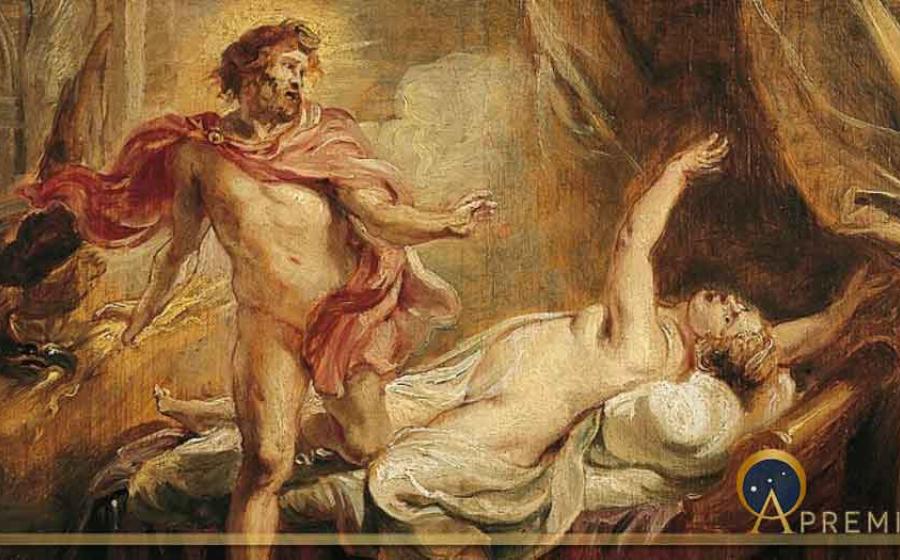
Gods and goddesses revealed themselves rather remarkably often to the privileged and chosen ancient Greeks, even if it was in disguise to hide their blinding brilliance. Like English, Greek did not make a linguistic distinction between the optical faculty and the appearance of a divine being or ghost, as indicated by the range of meanings conveyed by the word ‘vision’. Similarly, doxa, can either mean, ‘that which is seen’ or ‘an apparition’. This overlap or ambivalence may reflect an unconscious awareness that seeing the phenomenal world and seeing something in what is called the mind’s eye, are not distinct but closely related experiences. Humans are capable of visualizing events both in the past and in the imagination – when writing
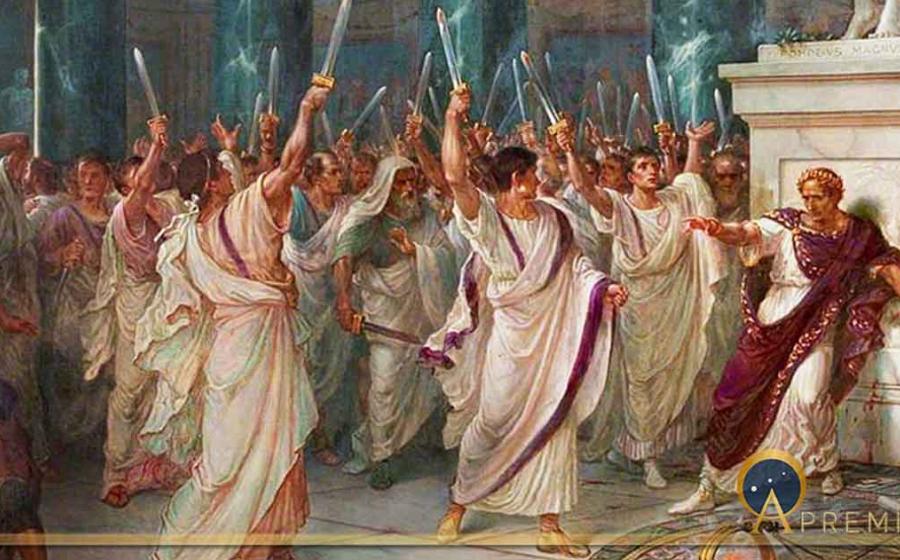
Julius Caesar’s assassination is the best-documented account of any murder committed in the ancient world, and the Ides of March, the day of his murder, is the only day in Roman antiquity that can be re-constructed on an almost hour-by-hour basis. There are seven surviving narrative accounts of varying length, all demonstrating a strong family resemblance. Most are peppered with details that are intended to heighten the sense of drama, including reports of multiple omens. Some, too, manifest a high degree of literary artifice. How much of the reports are actually true? As far as is known, there was no mechanism for any public inquiry into the crime. Witnesses were not deposed to provide evidence and the senate did not
January
29
/ 2024

Julius Caesar’s assassination is the best-documented account of any murder committed in the ancient world, and the Ides of March, the day of his murder, is the only day in Roman antiquity that can be re-constructed on an almost hour-by-hour basis.

People have collected objects, scripts, fossils, specimens, precious stones, artifacts and memorabilia since the dawn of mankind’s memory, for different reasons. Many possible motives come into play – people collect because of nostalgia for a past world, because they want to display their wealth and sophistication, because it satisfies a compulsive need to organise and create order, because it serves as a solace and a distraction in time of uncertainty, because they want to preserve for posterity and for many other reasons. And once they start they cannot stop because there is always a gap in their collection which they need to plug. David Bowie, who collected art, said: “ Art was, seriously, the only thing I’d ever wanted to
January
26
/ 2024
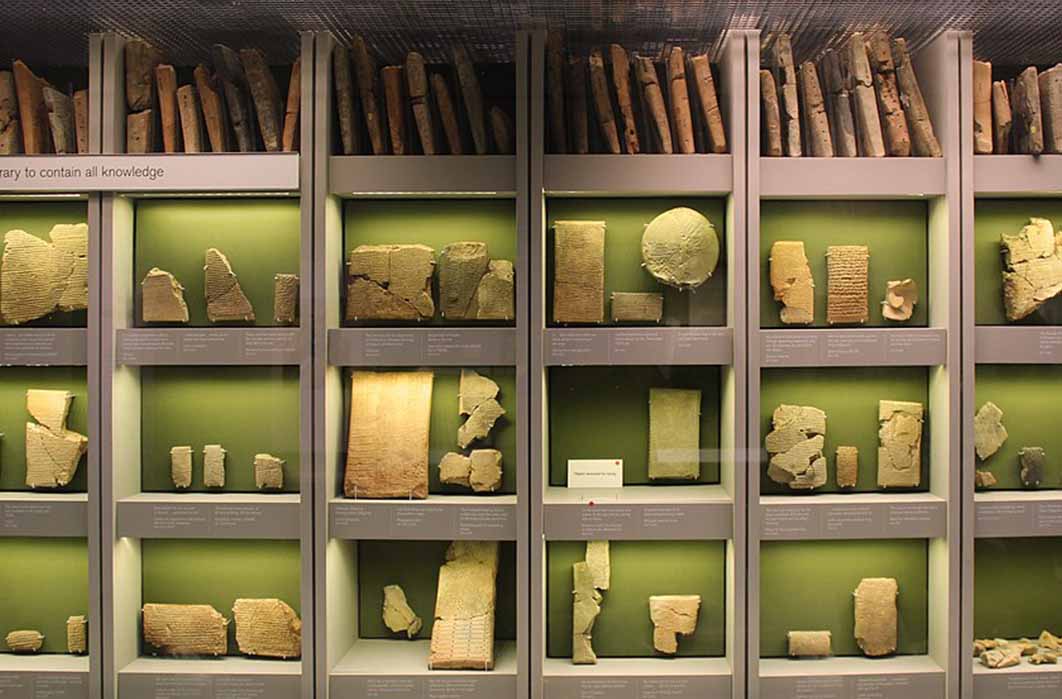
People have collected objects, scripts, fossils, specimens, precious stones, artifacts and memorabilia since the dawn of mankind’s memory, for different reasons.

At the beginning of Herodotus’ Histories, the Athenian lawgiver Solon, one of the seven sages of ancient Greece, points out to his interlocutor Croesus, King of Lydia, that if a person lives to be 70, they will experience 26,250 days – by his reckoning the length of a year is 375 days – and that not any two days will be alike. Solon’s observation is worth bearing in mind when trying to imagine the life of an average hunter-gatherer because the chances are that each day was very similar both to the one preceding and to the one following. To be sure, the constant threat of being eaten by a predator would have alleviated any boredom hunter-gatherers might have experienced
January
19
/ 2024

At the beginning of Herodotus’ Histories, the Athenian lawgiver Solon, one of the seven sages of ancient Greece, points out to his interlocutor Croesus, King of Lydia, that if a person lives to be 70, they will experience 26,250 days – by his reckoning the length of a year is 375 days – and that not any two days will be alike.
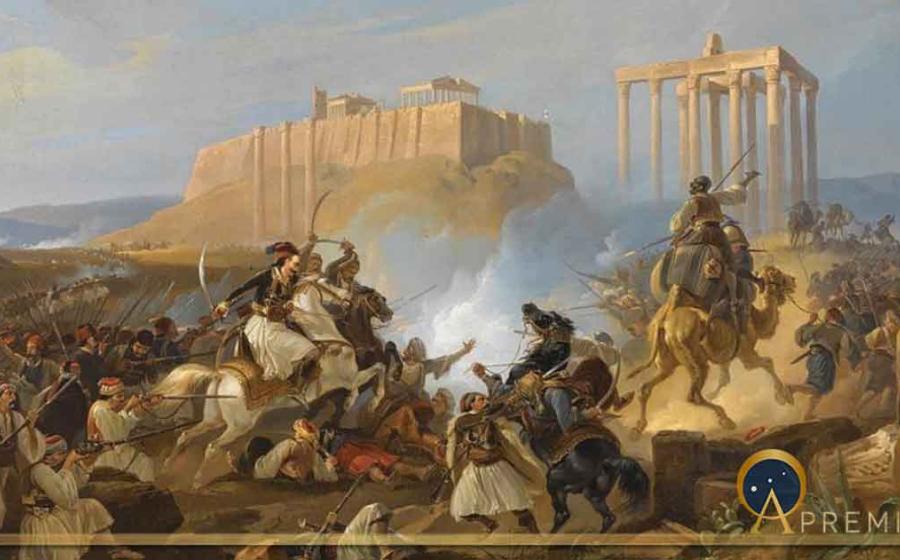
Nationhood is a figment of the collective imagination, actualized by a cluster of symbols and ideas – flags, anthems, sports teams, traditional dress (sometimes), a common religion (often), shared values (whether or not they are upheld) – which help to build a sense of collective identity. Of course, a nation state is a geographical entity as well, though it is perfectly possible to be a nation without actually owning any territory. The ancient Hebrews in their years of wandering considered themselves to be what today would be called a nation, long before they acquired a homeland. But in essence the nation state is a relatively recent idea, which came to fruition in the 19th century. [[{"type":"media","view_mode":"media_large","fid":"114738","attributes":{"alt":"The Byzantine castle of Angelokastro
January
02
/ 2024
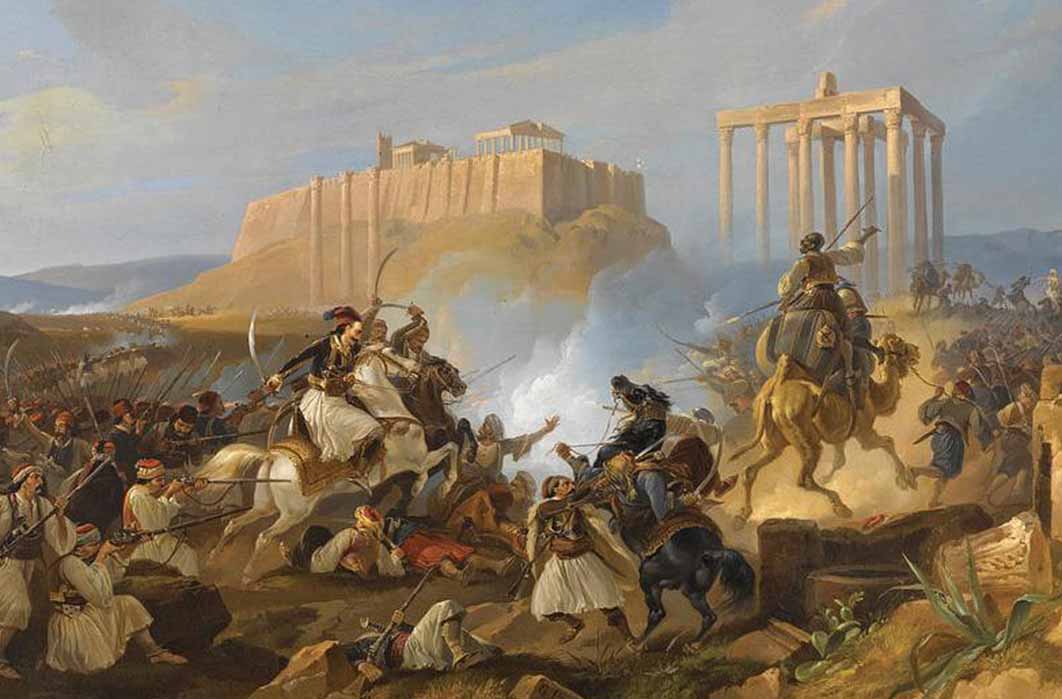
Nationhood is a figment of the collective imagination, actualized by a cluster of symbols and ideas – flags, anthems, sports teams, traditional dress (sometimes), a common religion (often), shared values (whether or not they are upheld) – which help to build a sense of collective identity.