Rebecca Batley has a Bachelor’s degree in archaeology (University of Wales) and a Master’s degree in Classics. She has several qualifications in Historical Documents Studies and has completed courses in basic Latin and Ancient Greek. She worked as an archaeologist both in the field and in post excavation carrying out research and report writing. She has worked for numerous archaeological companies including MOLA and Wessex Archaeology. In the field she has worked on sites dating to the Bronze Age, Iron Age, Romano-British, Roman, Medieval, Tudor, Georgian and modern periods. Rebecca has qualifications in Osteology and recording. Employed by the Louvre Museum, she researched and excavated at sites in Egypt, Syria, and Israel. She works at the Military Intelligence Archive to help to prepare World War One records for cataloguing and digitalisation and she is a part time History tutor. She currently resides in Essex.
Rebecca Batley
Rebecca
Batley
Blog: View recent blog entries
View Recent Blogs
August
09
/ 2024

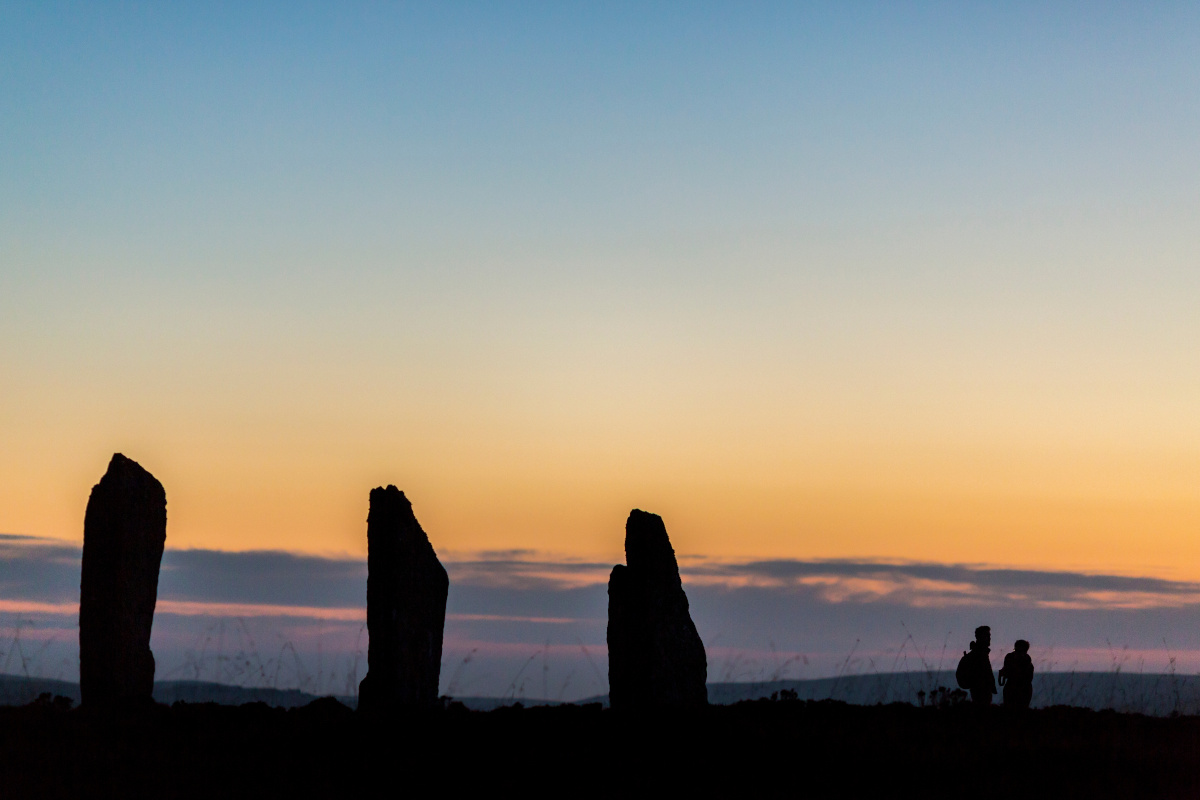
For centuries the Ness of Brodgar lay silent and undisturbed, jutting out from Orkney between the Loch of Harry and the Loch of Stenness: right at the center of Orkney’s Neolithic landscape. The large whale back mound upon it was thought to be a natural feature, simply part of this wild and untamed landscape.
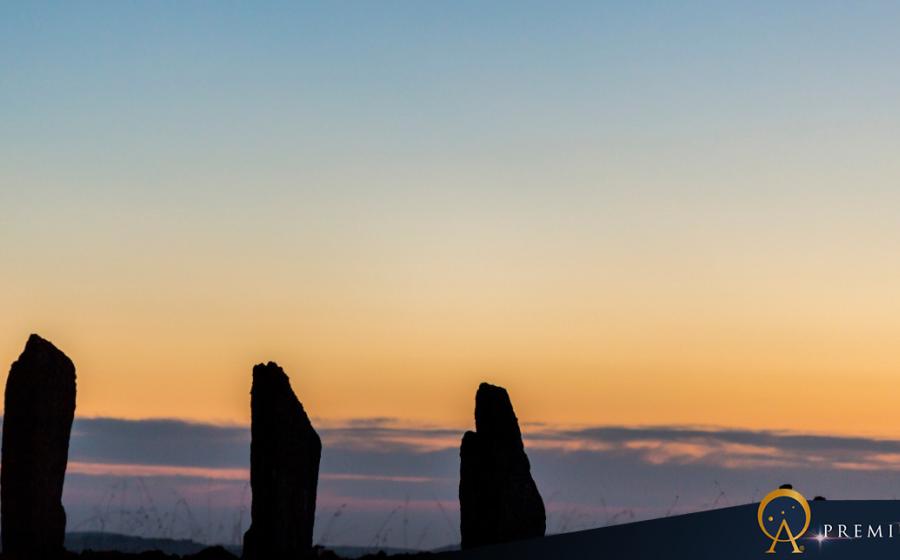
For centuries the Ness of Brodgar lay silent and undisturbed, jutting out from Orkney between the Loch of Harry and the Loch of Stenness: right at the center of Orkney’s Neolithic landscape. The large whale back mound upon it was thought to be a natural feature, simply part of this wild and untamed landscape. Two standing stones could be seen on the Ness, called in antiquity “the stone of Saturn and Jupiter” and legend claimed that they were part of a druidic “temple or house of the sun.” These were thought to be related to the mighty Ring of Brodgar forming part of an avenue between them and the Stones of Stenness (The Orcadian July 20th of 1901) This meant
June
27
/ 2023

Two thousand years ago the Richborough Roman Fort stood on the Isle of Thanet, off the coast of Kent, separated from the mainland by the strategically important Wantsum Channel.

Two thousand years ago the Richborough Roman Fort stood on the Isle of Thanet, off the coast of Kent, separated from the mainland by the strategically important Wantsum Channel. This area of land, rich in natural resources, had long been inhabited. During the Bronze Age people had buried a hoard there and during the Iron Age a number of settlements had sprung up in the area. Iron Age Britain was ruled by a network of Iron Age tribes, each with their own distinct lands and culture and in Kent the ruling tribe was the Cantiaci. As these tribes traded and expanded, knowledge of them grew amongst the peoples of mainland Europe, and Britannia stirred the interest of one group of
June
19
/ 2023
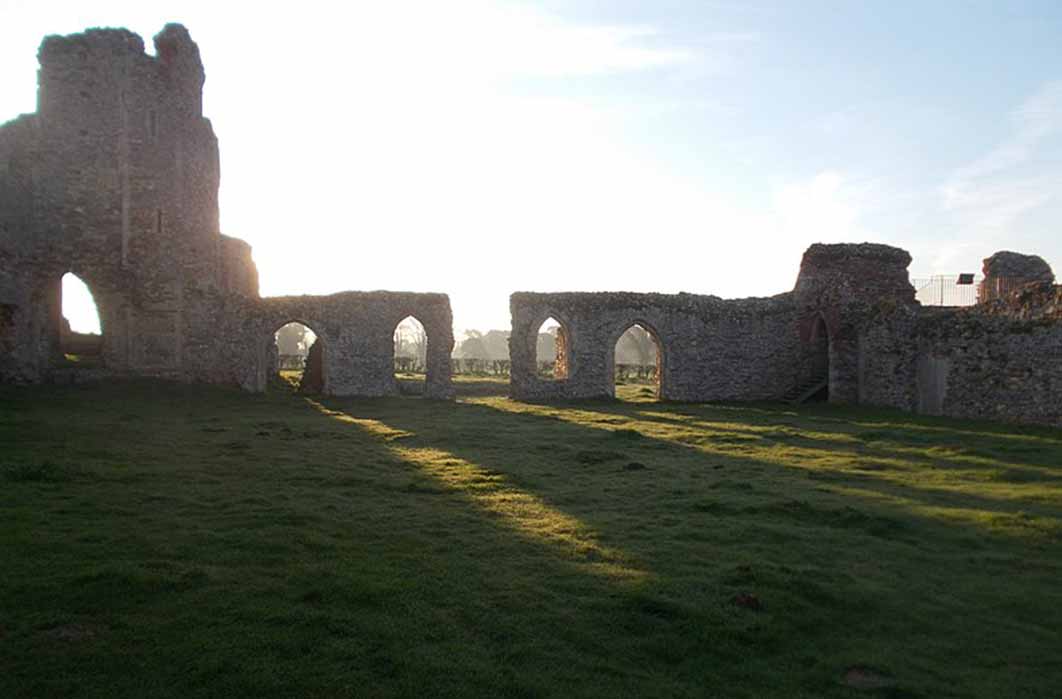
The original Leiston Abbey was once the home of pirating monks, but today the ruins of the second Leiston Abbey, showcasing some of the finest and most complete monastic remains in the south of England, lie well off the beaten track in rural Suffolk.

The original Leiston Abbey was once the home of pirating monks, but today the ruins of the second Leiston Abbey, showcasing some of the finest and most complete monastic remains in the south of England, lie well off the beaten track in rural Suffolk. It is known from the historic records that the first monastic buildings in the Leiston area were founded in 1171 when Ranulf de Glanville, King Henry II’s Chief Justiciar who had founded the Priory of Augustinian Canons at Butley, established a Premonstratensian house at Leiston in 1183. The Order of Canons Regular of Prémontré or Premonstratensians - commonly known as the White Canons on account of the color of their habit -were a religious Order of
May
01
/ 2023

The towering ruins of the Priory of Our Lady at Thetford recalls in the words of English Heritage, “one of the largest and richest foundations in medieval East Anglia,” yet the ravaged stones of Thetford Priory also stand as testament to the brutal efficiency of the English Reformation.

The towering ruins of the Priory of Our Lady at Thetford recalls in the words of English Heritage, “ one of the largest and richest foundations in medieval East Anglia,” yet the ravaged stones of Thetford Priory also stand as testament to the brutal efficiency of the English Reformation. The site is particularly famous for having housed the tombs of the notorious Howard family, including the first, second and third Dukes of Norfolk as well as that of Princess Anne of York, a daughter of Edward IV. It was also the burial place of Henry Fitzroy, Duke of Richmond and Somerset, the illegitimate son of Henry VIII by his mistress Elizabeth Blount. Henry VIII acknowledged Fitzroy as his son and
April
03
/ 2023

Not all castles are occupied by fairy princesses. In the 14th century, Elizabeth de Clare was one of the wealthiest and most powerful women of her time, who defied her king to defend her lands.

Not all castles are occupied by fairy princesses. In the 14th century, Elizabeth de Clare was one of the wealthiest and most powerful women of her time, who defied her king to defend her lands. Today in Suffolk, the ruins of Clare Castle, located within a country park which was once part of the Castle grounds, perch on top of a steep 30-meters (98-feet) high motte. The site is popular amongst tourists and has long attracted historians hoping to uncover the Castle's hidden history, but it is only over the past 20 years that archaeological excavation has intensified and little by little, the soil has been giving up its secrets. Aerial view of Clare Castle perched on top of the