RamseyHardin

Profile picture for user RamseyHardin
Ramsey
Hardin

Ramsey Hardin is a historian, educator, and writer specializing in ancient history, military history, and world civilizations. His work combines academic research with firsthand experience at archaeological and historical sites across Europe and Asia.

Education

  1. MA, History — Norwich University (2022)
  2. MA, Education — University of South Carolina (2017)
  3. BA, History with Research Distinction — The Ohio State University (2015)
  4. Member, Phi Alpha Theta History Honor Society

Experience & Expertise

  1. Participated in a Greek archaeological excavation
  2. Conducted historic buildings survey work in Rome
  3. Former intern with the Director of International Studies at Presbyterian College
  4. Extensive travel and research across Greece, Italy, Turkey, India, China, Thailand, Cambodia, and Vietnam

Previous Publications - Contributor to TheCollector, covering ancient history, archeology, and world civilizations

Connect with Ramsey Hardin

  1. LinkedIn
  2. X.com
  3. Facebook
  4. Instagram

Member for

5 months 2 weeks

View Recent Blogs

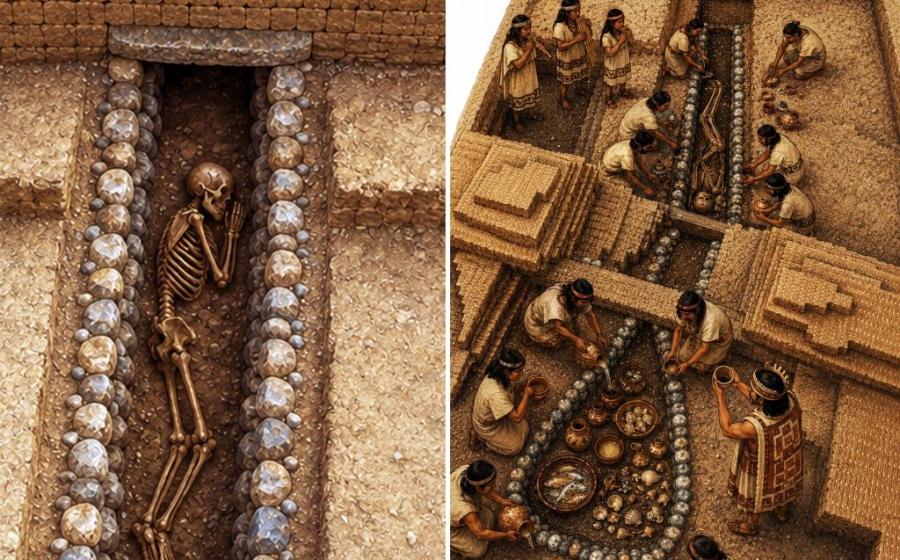
Archaeologists at Huaca Pucllana in Peru have uncovered a ceremonial practice of the ancient Lima culture that links a possible human offering to an ancient canal, a well, and an unusual collection of ceramics and animal remains. The discovery offers a rare glimpse into the complex rituals practiced by the Lima culture, suggesting how water, marine resources, ritual offerings, and carefully constructed ceremonial spaces may have been woven together more than 1300 years ago. Possible Human Offering Reveals New Evidence of Lima Ritual Practices Archaeological excavations led by Gladys Paz Flores revealed the remains of an adult who appears to have been placed as an offering in an underground channel leading to a ceremonial well during a religious ceremony that
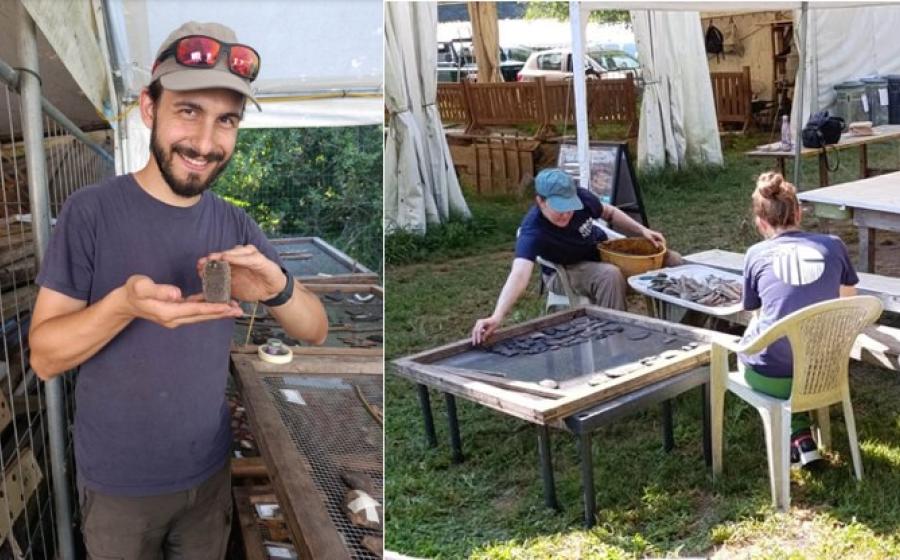
Archaeologists working on the prehistoric settlement of Lucone di Polpenazze, near Lake Garda in northern Italy, have discovered a roughly 4,000-year-old intact clay tablet bearing mysterious incised and impressed geometric markings. This enigmatic Bronze Age tablet is the first such artifact found at Lucone since 2019. It brings the total known artifacts from the Lucone plain to 21–more than any other archaeological site, according to the excavation team. The discovery raises questions about how its prehistoric inhabitants communicated, recorded information—or even expressed beliefs within a prehistoric society that left no known conventional writing system. Remarkably Complete Tablet Deepens the Lucone Mystery This rare tablet emerged during the third week of the 2026 excavation campaign from a charcoal-rich layer designated US
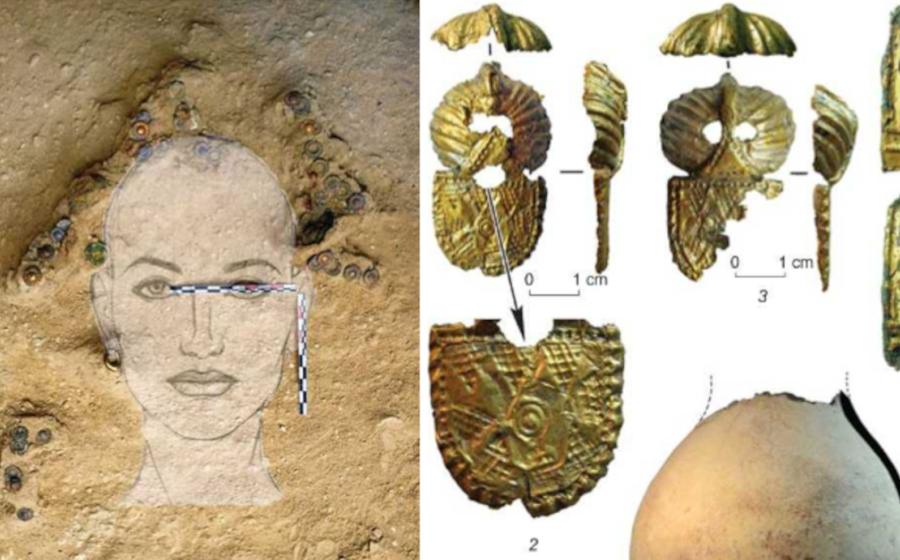
Archaeologists working in the Karakabak cemetery on the Mangyshlak Peninsula, near the modern city of Aktau in western Kazakhstan, have discovered the grave of an elite young woman of Hunnic-period nomadic traditions, buried in ornate ceremonial clothing. She wore a remarkable set of 1,500-year-old gold-covered shoe fittings, popularly described as “golden shoes.” The shoes offer a glimpse into the wealth, craftsmanship, and long-distance connections of communities living along the Caspian Sea during the post-Hunnic period. Gold Covered Shoes Reveal the Status of an Elite Young Woman Archaeologists Andrei Astafyev and Evgeny Bogdanov excavated the burial site in 2019 and made a detailed study of the grave. Their research dated Burial 11 at Karakabak-10 to the second half of the fifth
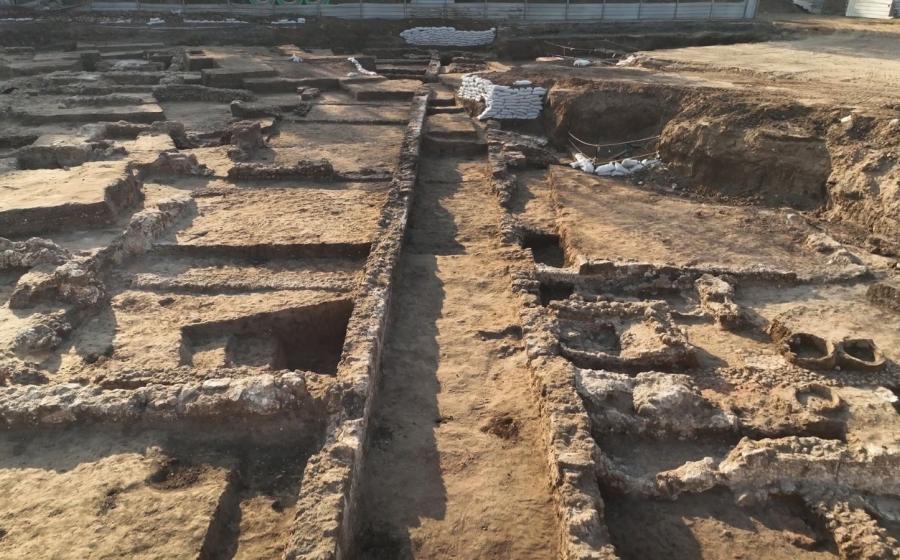
A routine salvage excavation ahead of construction of a new bus terminal in Ramat Gan, Israel, revealed a surprising discovery: an industrial and commercial complex dating back 1,300 years to the early Islamic period. Digging for several months in the parking lot of the city’s Winter Stadium, archaeologists from the Israel Antiquities Authority (IAA) uncovered evidence of workshops, trade, and economic activity. According to Yoav Arbel, one of the excavation directors, this find offers insight into the economic activities of the Umayyad and later Abbasid Caliphates. So far, archaeologists have exposed only part of the complex, leaving its true size and purpose unclear. Unexpected Discovery Reveals a Vast Early Islamic Commercial Complex Arbel, who led the excavation along with Lior
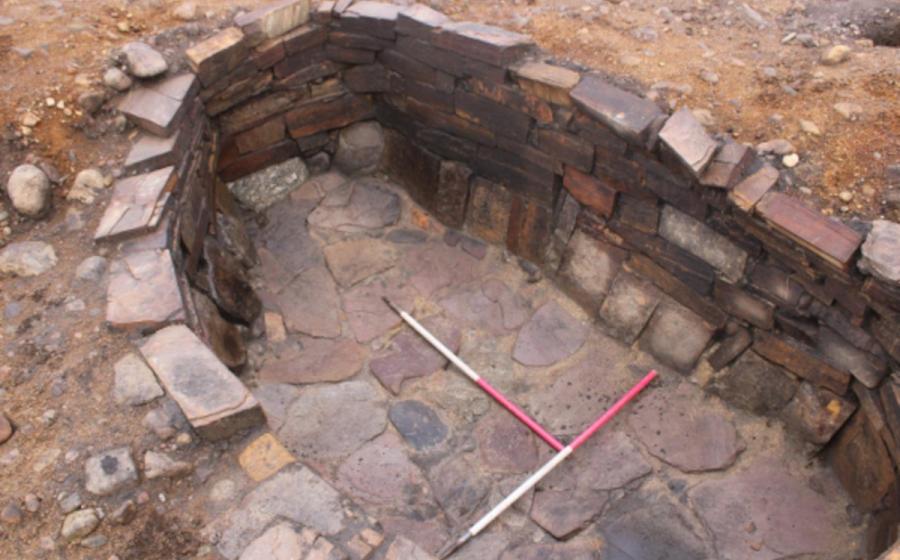
Archaeologists have recently discovered the remains of a woman believed to date to the Iron Age inside an unusual stone-lined structure. The site was found near a quarry in Sutherland in northern Scotland. The structure and surrounding features are provisionally considered Iron Age, while the feature may be about 2,000 years old; direct dating and further analysis are still pending. Given the considerable effort that went into constructing the structure in which she was eventually buried, researchers are questioning who she was, what role she held within her community, and why her remains were deposited there. A Remarkably Well-Built Iron Age Burial Highland Archaeological Services Ltd (HAS) made the find while carrying out work on behalf of local quarry firm
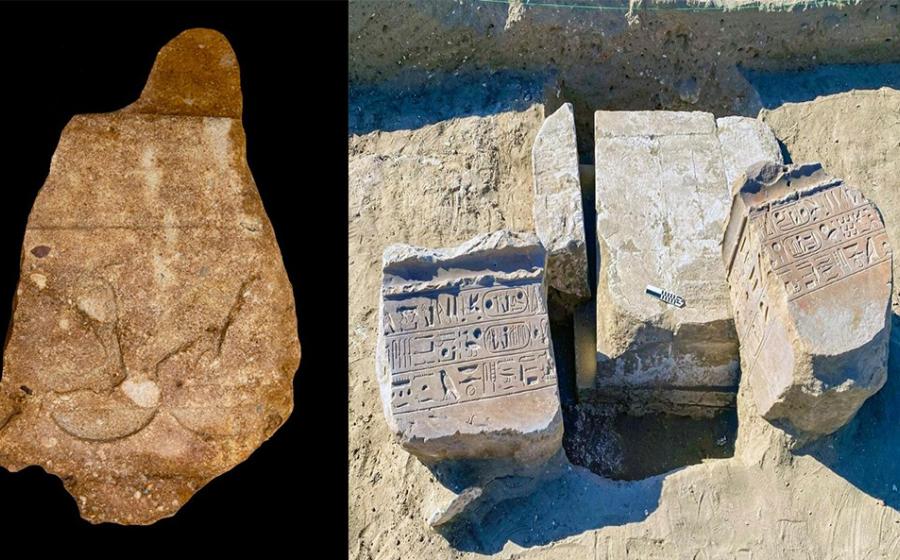
New archaeological discoveries at Tell Abu Saifi in Egypt’s northern Sinai are reshaping interpretations of a site long associated with the country’s eastern defenses. New excavations and reassessments of earlier discoveries are reshaping interpretations of the site's architectural remains and material evidence of its complex role in military activity, daily life, and Egypt’s strategic connections with lands beyond its northeastern frontier. Horus Road Excavations Augment Egypt’s Eastern Frontier History Minister of Tourism and Antiquities Sherif Fathy stressed that these new findings represent a critical addition to the Ministry’s efforts to uncover the history of archaeological sites in North Sinai and the Qantara region. Excavations have revealed housing units, kilns, and a defensive trench. Most importantly, they uncovered features of the
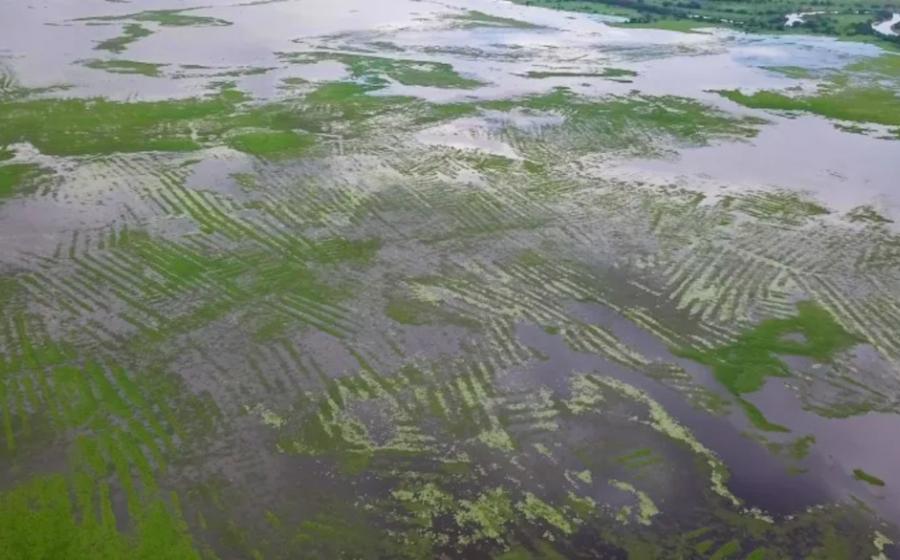
Thousands of years ago, communities in Colombia’s Caribbean lowlands built one of South America’s largest water systems. Recent research suggests that local communities could have designed, constructed and maintained these extensive systems cooperatively, without requiring direction from powerful rulers or a centralized state. Communities united in collective labor and used their knowledge of seasonal water movement and repeated maintenance to create a successful agricultural strategy. Ancient Farmers Built on a Monumental Scale The pre-Hispanic field systems of La Mojana span more than 500,000 hectares across the region The network itself included raised fields and canals,with the systems in use from the first centuries BC until approximately the 11th century AD. Their enormous scale traditionally encouraged interpretations involving hierarchical chiefdoms and
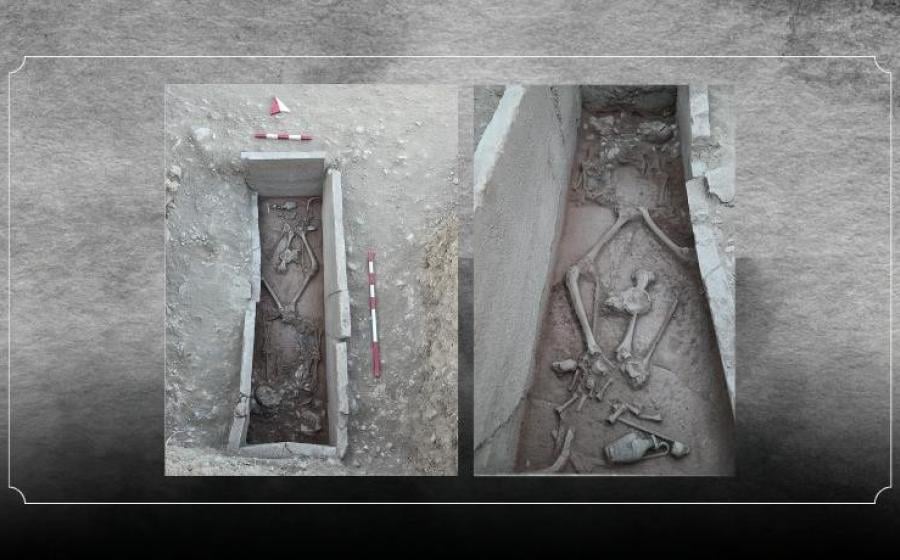
Archaeologists have uncovered an approximately 2,400-year-old cist tomb in Aspendos’ newly identified Eastern Necropolis. Wrestler-decorated Aspendos coins found among the burial goods have led researchers to suggest that the deceased may have had a connection with sport, although the finds do not prove that the individual was a wrestler. Minister Ersoy Hailed a Major Classical-Era Discovery at Aspendos According to Minister of Culture and Tourism Mehmet Nuri Ersoy, grave goods found in the tomb are likely linked to a sports figure. Aspendos coins depicting wrestlers, along with other finds from the tomb, suggest the person may have been a wrestler or associated with sports. He credited archaeologists and the research team who unearthed a cist-type tomb dated between the last
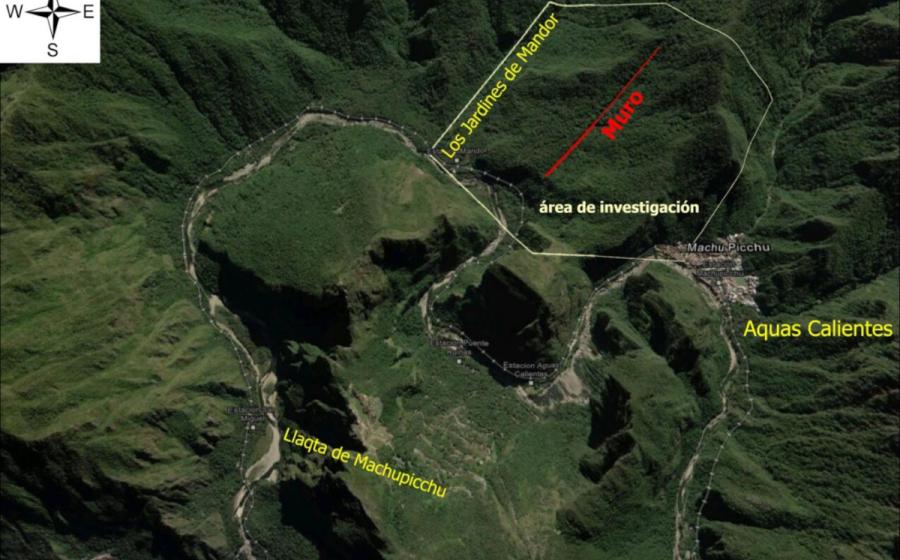
Archaeologists working with Peru’s Decentralized Directorate of Culture (DDC) in Cusco and the Center of Andean Studies at the University of Warsaw have recently identified more than 2.5 kilometers of previously undocumented pre-Hispanic roads near Machu Picchu, thanks to advanced laser technology that uncovered hidden features beneath the dense vegetation of Peru’s cloud forest. The discovery includes a main road at least 1.2 kilometers long and what researchers believe are architectural features such as agricultural terraces and platforms. Peru’s Ministry of Culture announced the findings following preliminary archaeological reconnaissance carried out in July 2026 around the Mandor wall, close to the celebrated Inca citadel of Machu Picchu. Map showing the archaeological research area surrounding the Muralla de Mandor near Machu
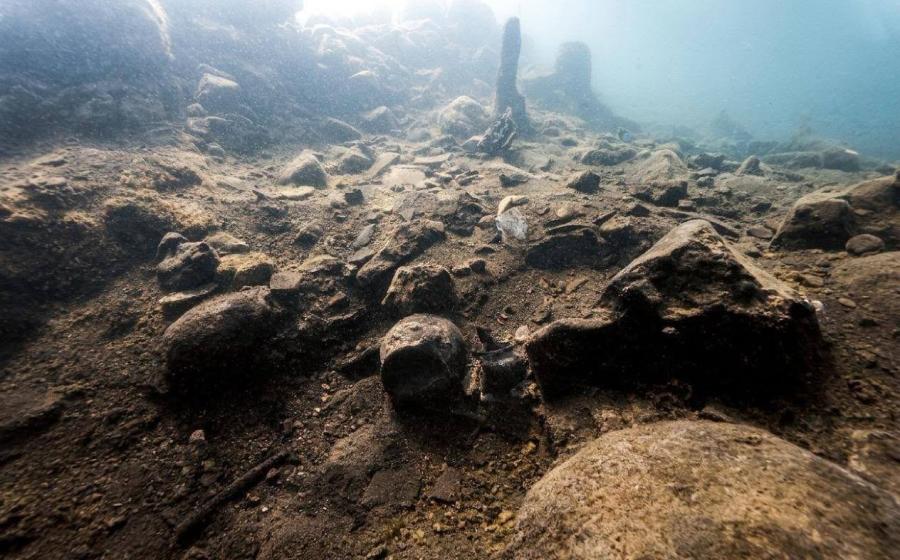
Beneath Italy's Lake Bolsena, underwater excavations have uncovered pottery and remarkably preserved ears of emmer wheat, providing new evidence about agriculture, food storage, and daily life in a prehistoric lakeside community. Gran Carro is the Source of Remarkable Discoveries Gran Carro Village is a submerged prehistoric settlement at the bottom of Lake Bolsena in Italy’s Viterbo province. It is a site that divers rather than shovels must explore. Divers descend into an underwater environment where preservation might be unexpected. However, the low-oxygen, sediment-covered conditions preserve organic material, like grain and wood, that would normally decompose on land. Recently, divers recovered the first known Iron Age textile fragmentin more than six decades of research on this unique settlement. According to the