Murray Dahm

Murray
Dahm

Murray Dahm is an ancient and medieval military historian from New Zealand currently living in Sydney, Australia. He is the assistant editor of Ancient Warfare Magazine (Karwansaray Publishers) and has published various titles on ancient military history for Osprey Publishing. His research includes a wide variety of ancient military subjects across a wide range of periods from Archaic Greece through to the Vikings and he has published on all of these. If there is a particular field he feels closest to, it is the (somewhat niche) topic of didactic military handbooks – the ancient genre of literary works intended to pass on the art of generalship to the reader. This genre began in earnest in the fourth century BC and continued on into the Byzantine period and beyond. From the ancient world about seventeen such works survive (of the hundreds originally written) and Murray wrote a Master’s thesis and a Master of Arts thesis on two of the authors in this genre (Polyaenus of Macedon and Sextus Julius Frontinus respectively). He has also continued to publish regularly on these and other authors in this field since the 1990s.   He is the author of Finis Britanniae. A Military History of Late Roman Britain and the Saxon Conquest

In addition to military history, Murray is an opera singer and director and runs both a boutique opera company with his wife which specialises in performing opera in non-traditional spaces such as pubs (operabites.com.au) and an experiential opera education program where school students write their own operas from scratch (operexpress.com.au).

Member for

2 years 9 months

View Recent Blogs

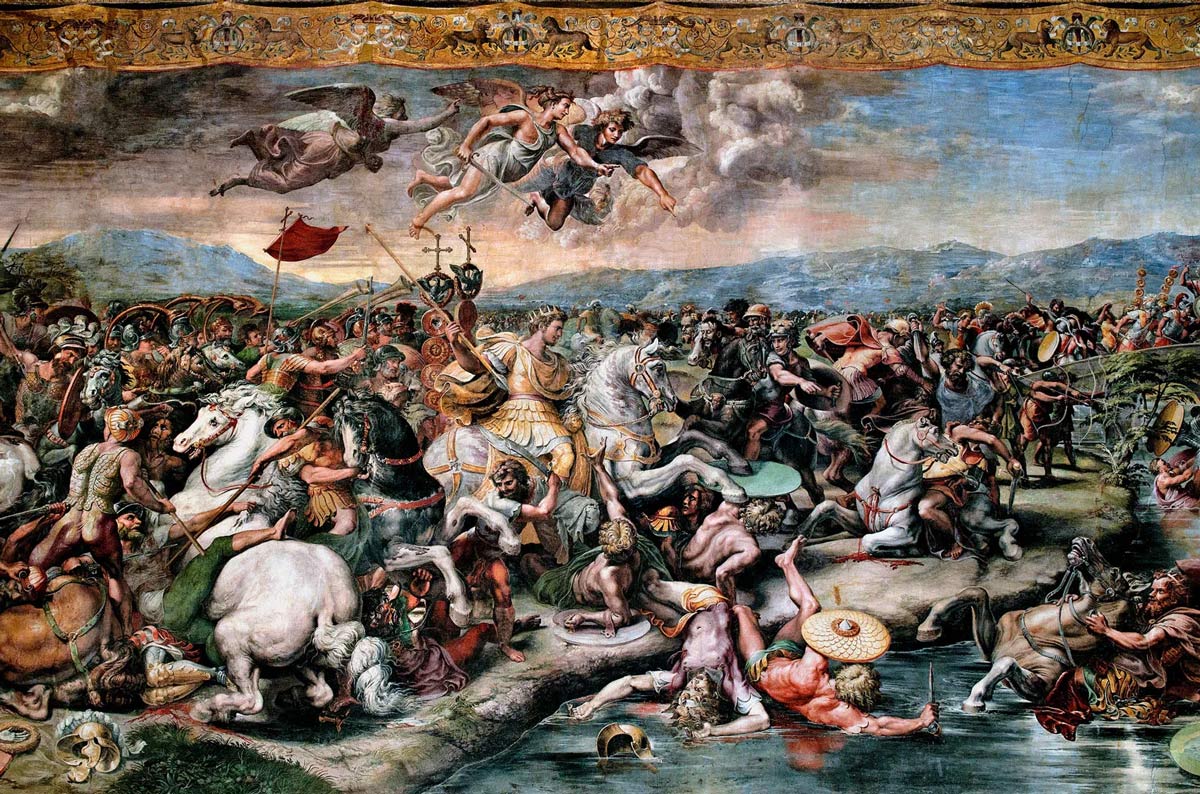
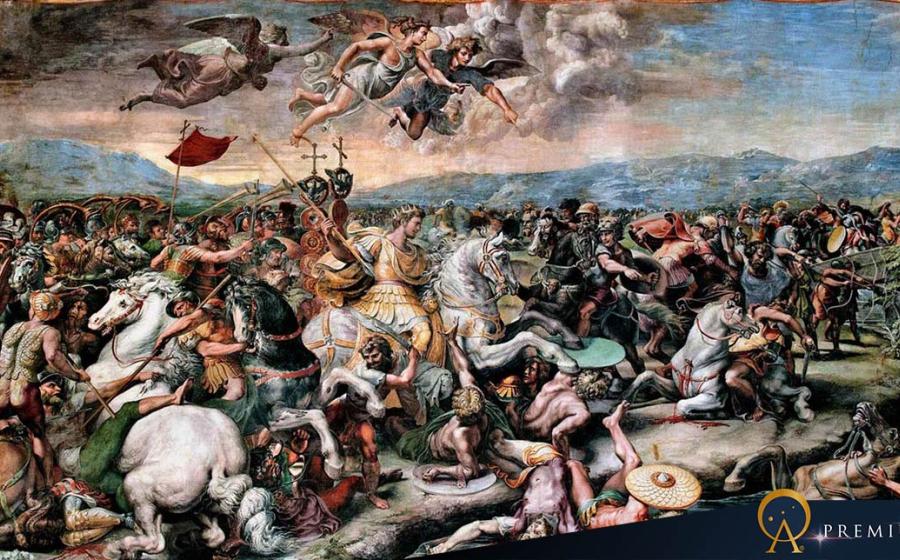
In late October AD 312, the fate of the future of the Roman world was decided near the Pons Milvius, the Milvian Bridge (the modern Ponte Milvio, Italy), crossing the River Tiber some 5 kilometres north of Rome on the via Flaminia. The battle was the culmination of the war between rival Roman emperors, Maxentius and Constantine, to see who would dominate the western Roman Empire. The victory of Constantine at the Milvian Bridge has been presented as a straightforward rout of Maxentius’ numerically superior forces. It has also been presented as a victory of Christianity. Both of these perspectives are flawed; the battle was far more complex than has previously been considered. The Tetrarchy and Its Instability In AD

In late October AD 312, the fate of the future of the Roman world was decided near the Pons Milvius, the Milvian Bridge (the modern Ponte Milvio, Italy), crossing the River Tiber some 5 kilometres north of Rome on the via Flaminia. The battle was the culmination of the war between rival Roman emperors, Maxentius and Constantine, to see who would dominate the western Roman Empire. The victory of Constantine at the Milvian Bridge has been presented as a straightforward rout of Maxentius’ numerically superior forces. It has also been presented as a victory of Christianity.


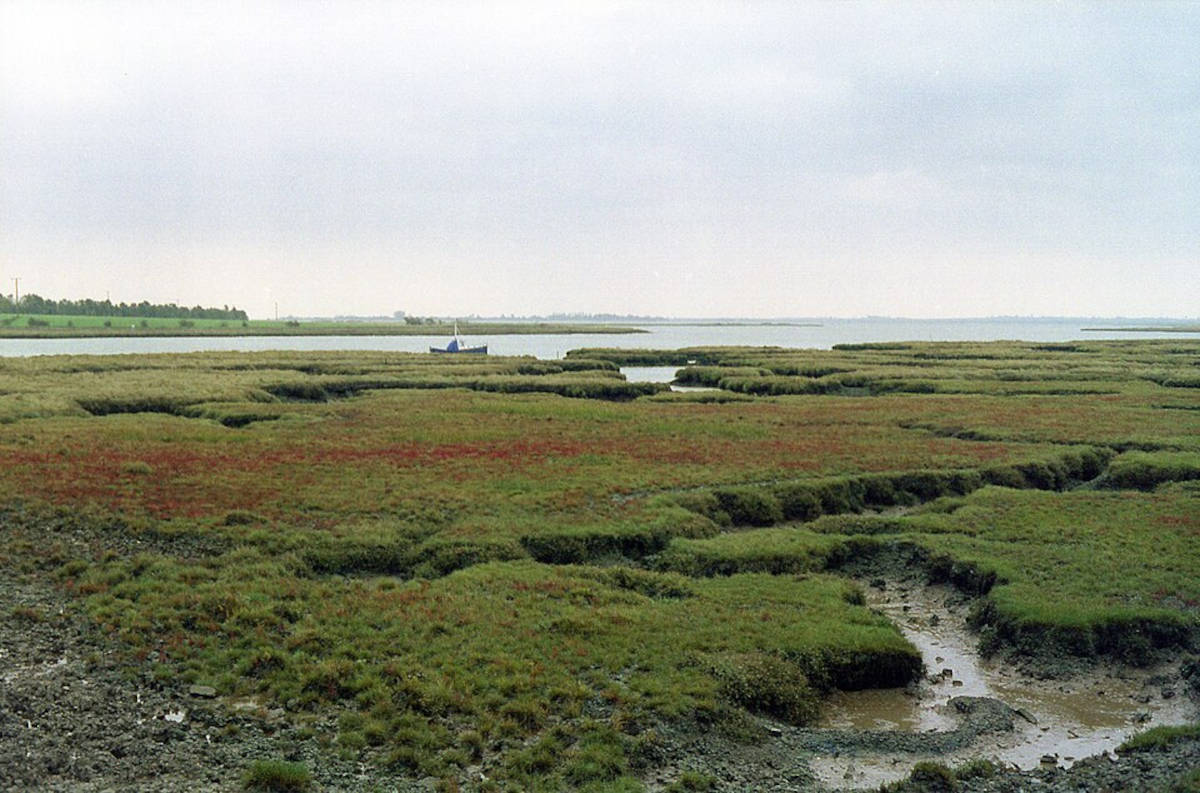
The entry for the year AD 991 in the Anglo-Saxon Chronicle records that Olaf Tryggvason (later king of Norway) sailed with a fleet of ninety-three ships and raided the English coast. He began in Kent raiding Folkestone and then Sandwich, and then moved on to Ipswich in Suffolk. After overrunning Ipswich, the fleet moved onwards to Maldon in Essex, sailing up the River Blackwater and establishing a base at the island of Northey in early August.

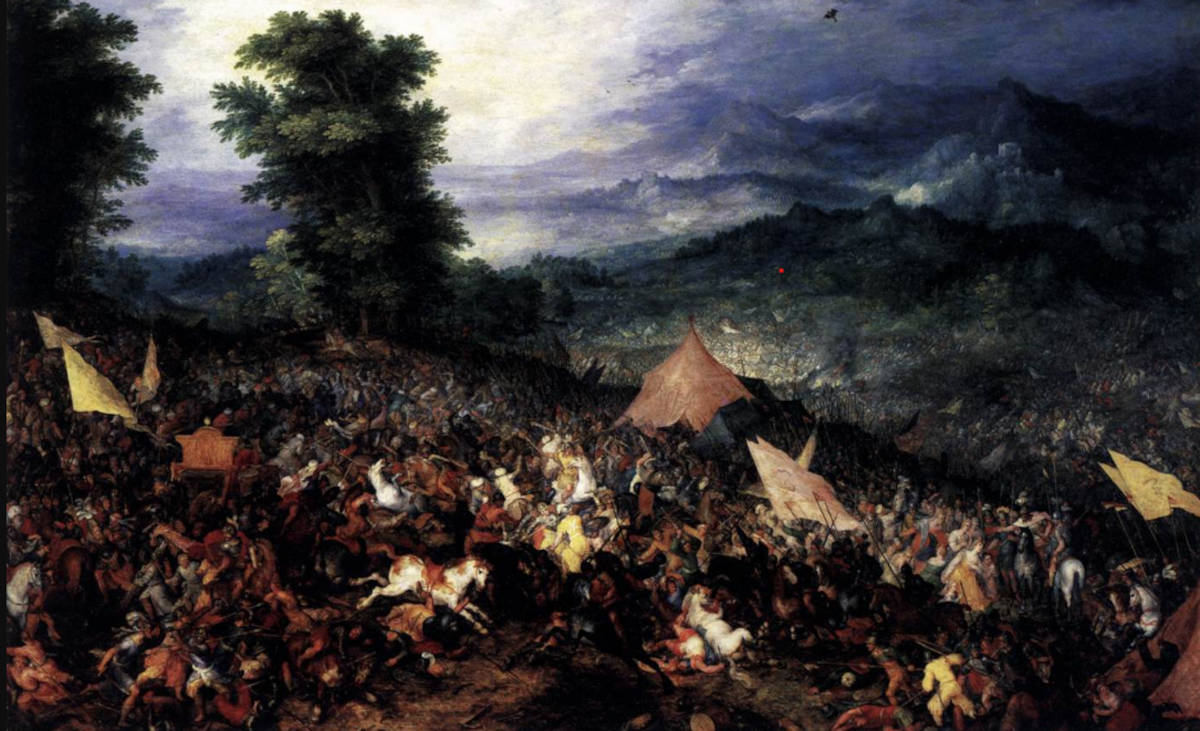
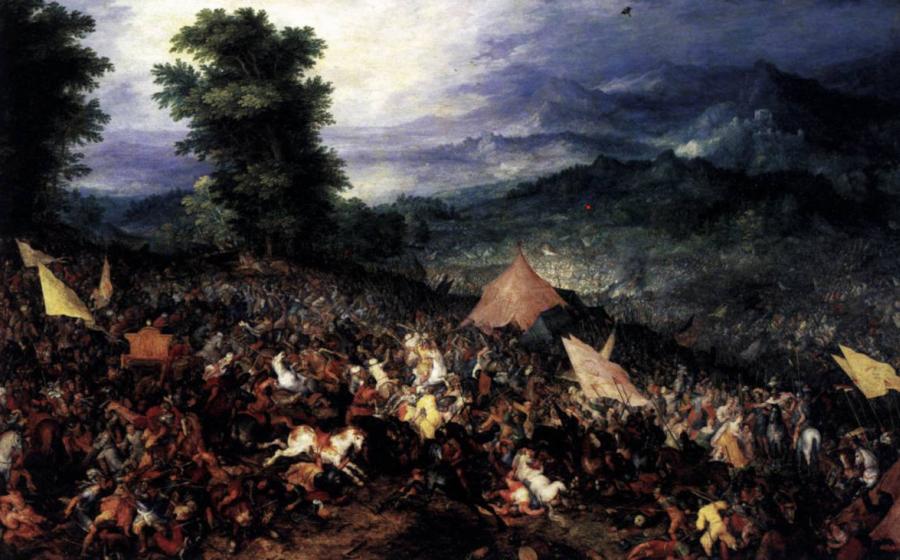
At the Battle of Issus, fought in early November 333 BC, Alexander faced the Persian King Darius in person for the first time. Massively outnumbered, the Macedonian army faced the numberless might of the Persian military machine. The outcome would decide the future of both the Persian and the Macedonian empire.

At the Battle of Issus, fought in early November 333 BC, Alexander faced the Persian King Darius in person for the first time. Massively outnumbered, the Macedonian army faced the numberless might of the Persian military machine. The outcome would decide the future of both the Persian and the Macedonian empire. Alexander the Great had invaded the Persian Empire in Spring 334 BC, crossing the Hellespont in fulfilment of the military ambitions of his father, Philip II. Philip had been assassinated in 336 BC and Alexander wasted no time in using the army his father had developed to ensure that Greece and Thrace were subdued before embarking on the most aggressive military campaign the world had ever seen. The Battle