micki pistorius

Profile picture for user micki pistorius
Dr Micki
Pistorius

Micki Pistorius is a South African psychologist, author and journalist. As a child, Micki’s natural curiosity was cultivated by both her parents and developed into an insatiable interest in history, art and literature. Her passion for history, archaeology and human origins manifested at the age of sixteen when she selected these subjects at school. It has been a lifelong journey of discovery. After completing her BA degree, she worked as a journalist in printed and television media for 8 years, when she was elected in the University of Pretoria’s psychology programme. She completed her doctorate’s degree in psychology and was immediately appointed as psychological profiler in the South African Police Service. She founded and headed the Investigative Psychology Unit of the SAPS for 6 years. She testified as an expert witness in court. Besides training more than 300 South African detectives, Micki was invited to train detectives, correctional services staff, lawyers and judges on global platforms. She featured in many international television, magazine and news bulletins. After resigning from the SAPS, she returned to journalism and worked for a television production company, writing scripts and producing documentaries for a few years. Then she opened her private practice as psychologist. She continued training and presenting lectures on international podia. Micki never gave up on her calling as a writer and authored 7 books, and her autobiography, Catch me a Killer became a best seller. By 2010 her passion for ancient antiquity inspired her to enrol for an Honours degree in Biblical Archaeology. In her free time she explores archaeological sites all over the world. Micki has reached a point where she is drastically downsizing her psychology practice and shifting her focus to the flame that has been burning since her childhood: writing about archaeology, history and human origins on a permanent scale. She hopes to complete her Master’s degree in archaeology and may one day retire on an island where she will continue writing.

Member for

9 years

View Recent Blogs

Interview excerpt A sparkling green emerald in a turquoise sea, crowned by an azure sky and formed by volcanic rock, Mauritius is a small independent island nation of 787 square miles in the Indian Ocean with a population of 1.2 million people. It is known for its beaches, reefs, and tranquil sea. Jayshree Mungur-Medhi, an archaeologist and heritage expert on the island, participated in the excavations at Mare aux Songes, where a cache of dodo bones and other fossils were uncovered. MP: When did we first become aware of the existence of the dodo? JM: “Dumb as the dodo” is a saying which is famous worldwide, but actually the dodo only existed in Mauritius. Endemic to Mauritius, the dodo, Raphus
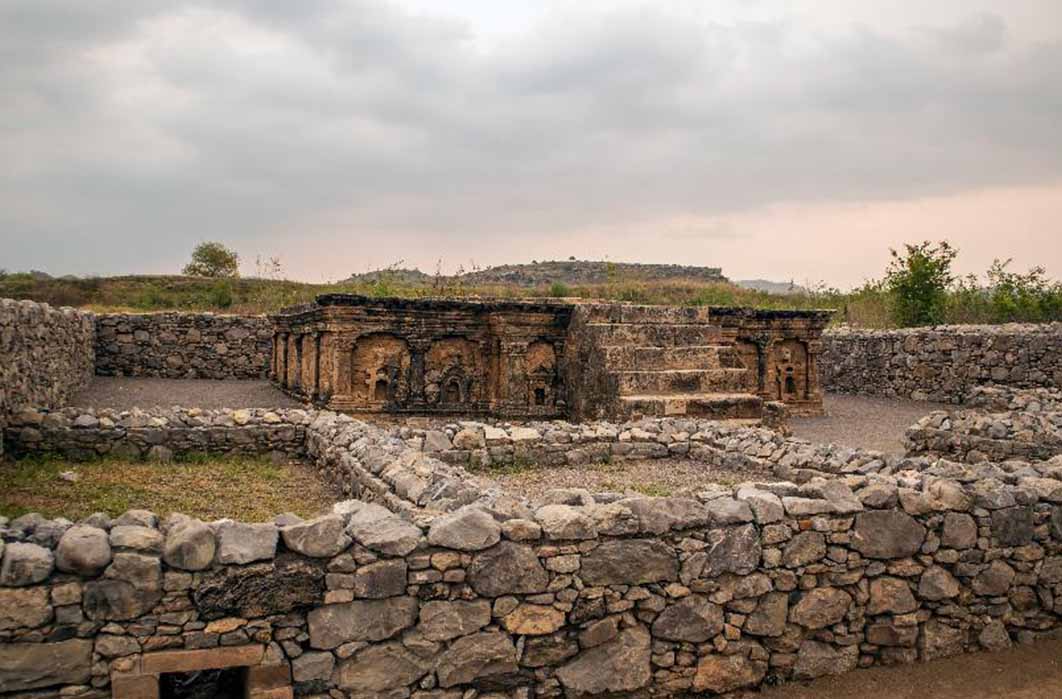
When Alexander the Great invaded the Far East, his armies were awed by the strange cultures, exotic animals, and unknown religions of India. Alexander promoted a fusion of cultures and his successors endeavored to adopt the cultures and blend into their conquered environments. So too did Demetrios I, a young king of Greek origin, establish the wealthy city of Sirkap, (in present-day Pakistan) where excavations reveal a rich fusion of Greek and Indian cultures. Prelude to the Indo-Greek Empire By 317 BC, in the aftermath of the death of Alexander the Great, Chandragupta the founder of the Mauryan Empire (present-day north-western India) had conquered the satraps and defeated Seleucus I, a Macedonian general from Alexander's army. Whilst the Seleucid Empire
Perhaps 3,000 years from now archaeologists will be debating the reasons for the diaspora that occurred in the lands around the Mediterranean Sea during the early 21st century. What would have accounted for the mass migration from the near Middle East and Africa to far northern European countries, they might ask? Would they know about the brutal civil war in Syria causing families to hastily flee with the few possessions they could carry; would they find some of the remnants of 100s of rubber dinghies that littered the shores of Rhodes? Would they consider famine and political-religious conflict in Africa causing families to hand over their life savings in desperation to pirates for sea passage? Would they find some artifacts
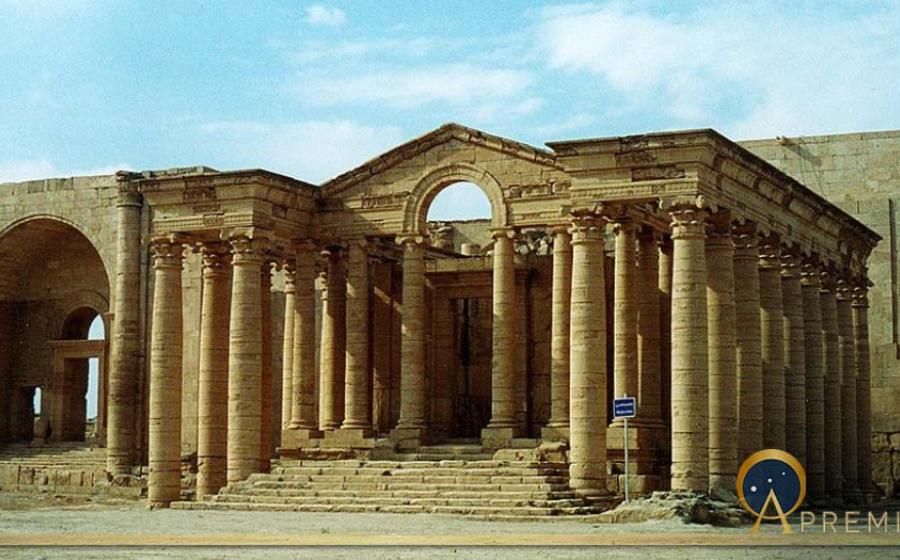
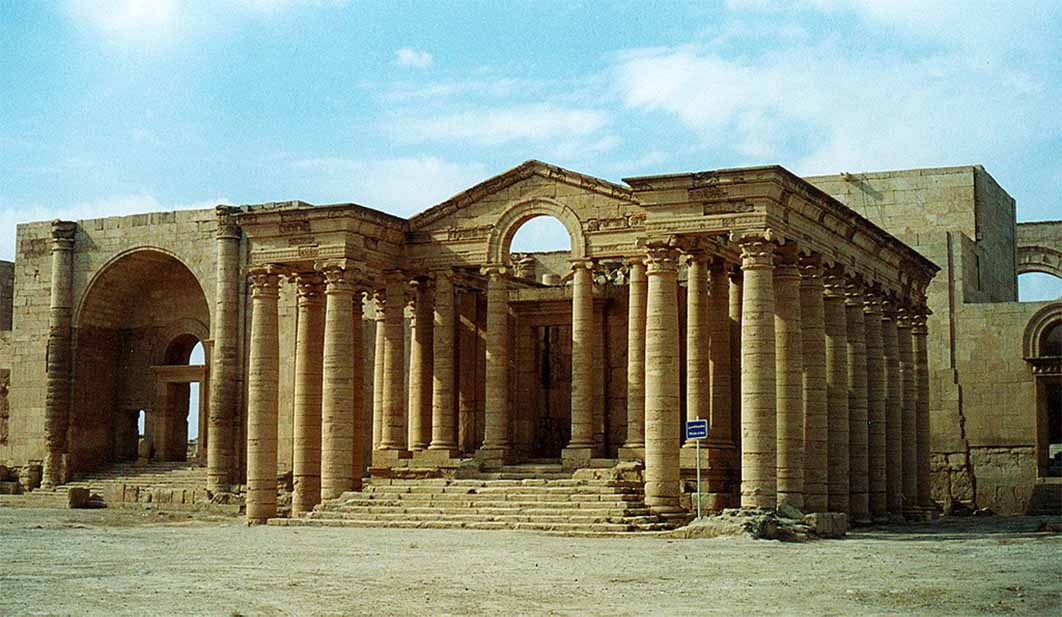
The ruins of Hatra, located 290 kilometers (180 miles) northwest of modern Baghdad, tell the story of a second century AD Kingdom, whose rulers walked hand-in-hand with the reigning Arsacid Dynasty of the Parthian Empire. The origin of Hatra is shrouded in mystery, although the meaning of its name, ‘enclosure’ may indicate it was a place where nomadic Arab tribes congregated on neutral ground, around a religious centre. Mention is made of inscriptions referring to a powerful clan chieftain called Woron, who carried the title mry (lord) and his grandson Ma’n or Mannos and who were overlords over Singara on the Iraqi Nineveh plains and the deserted region east of Osroene. [[{"type":"media","view_mode":"media_large","fid":"113711","attributes":{"alt":"Approximate map of the kingdom of Hatra (green) and

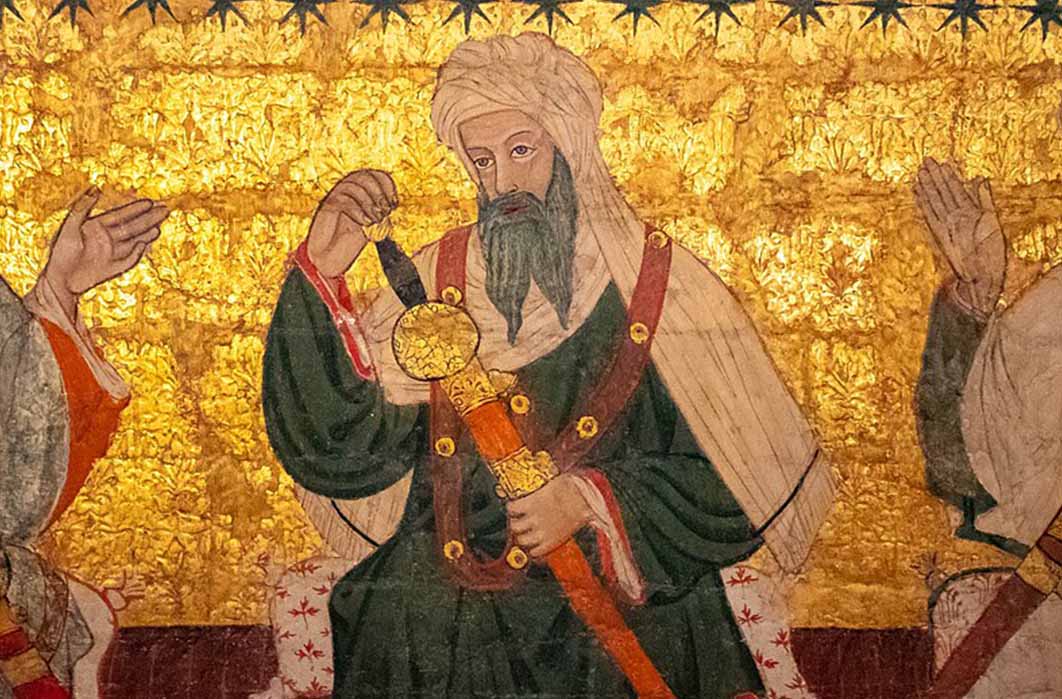
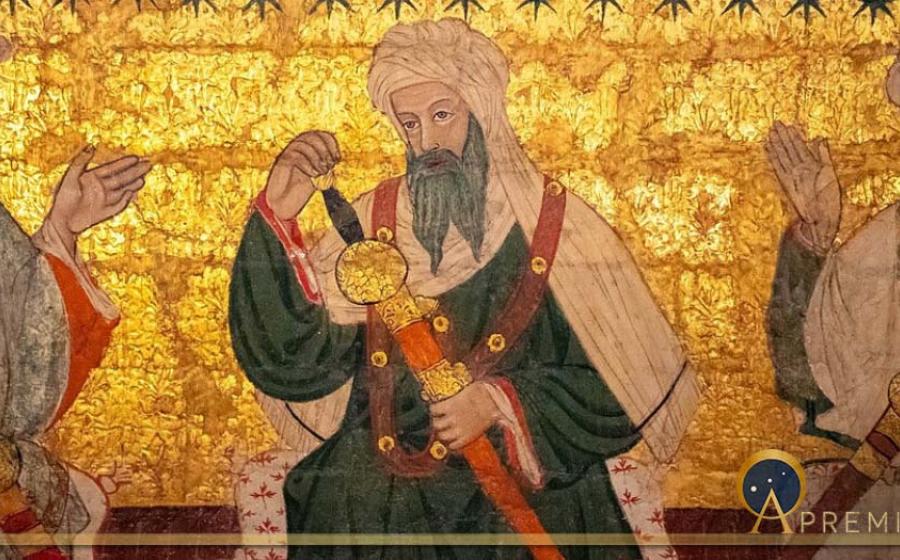
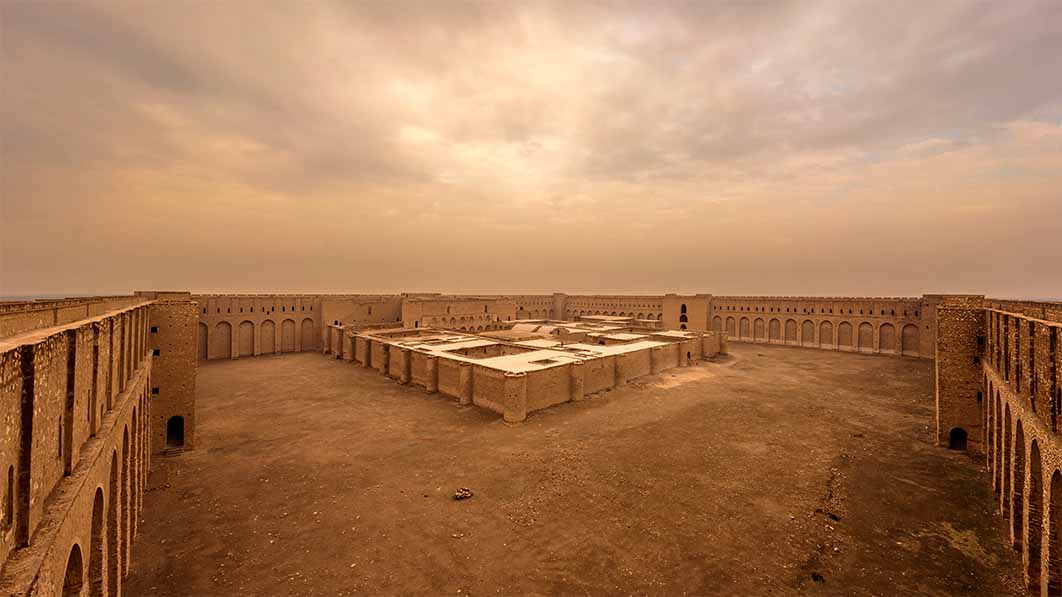
When Europe was experiencing the so-called dark Middle Ages, during the seventh and eighth centuries AD, in the East, Islam was on the rise, and the Umayyad Dynasty was on the forefront of conquering territories from India to Spain. 

When Europe was experiencing the so-called dark Middle Ages, during the seventh and eighth centuries AD, in the East, Islam was on the rise, and the Umayyad Dynasty was on the forefront of conquering territories from India to Spain. Officially carrying the title khalīfat allāh, “the deputy of God” the caliphs spread Islamic teachings from the East to the West, but they were also breaking new frontiers in art, architecture, philosophy, and knowledge. Where Arabic tribes were previously mostly nomadic, during these times clans began settling, often converting military fortresses into permanent settlements, and constructing magnificent palaces and mosques in the lands they conquered. For the first time, caliphs took the initiative in artistic patronage, and their new palaces and