Khadija Tauseef

Profile picture for user Khadija Tauseef
Khadija
Tauseef

Khadija Tauseef, has always had a passion for ancient history. She completed a BA(Hons) and MPhil in History along with historical programs online. Egyptian and Greek are of particular interest but she likes to study all she can. She is currently mid-way through two courses that are about the ancient Greeks and their myths and wants to share her learning with others.

Member for

6 years 2 months

View Recent Blogs

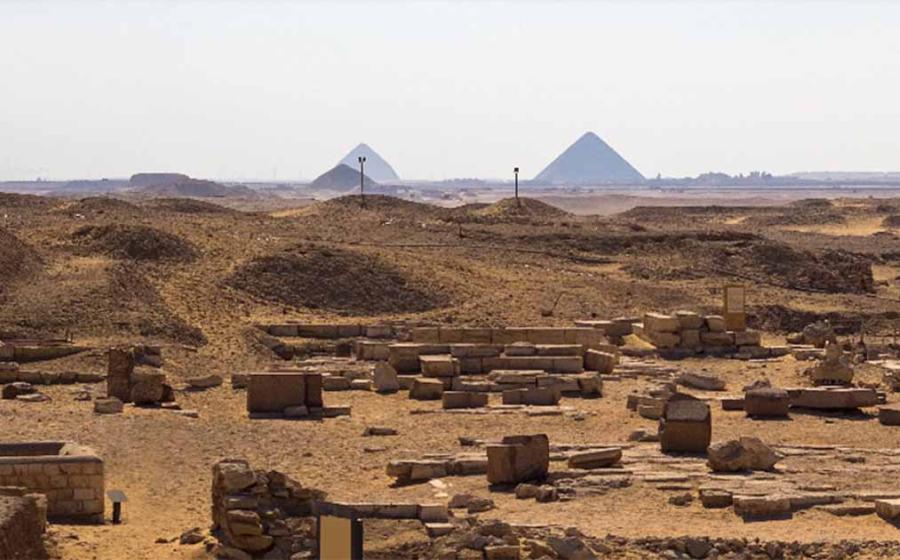
The cult of death played a crucial role in the history of ancient Egypt - they believed that their souls would continue to exist in the afterlife after they died. The concept of the afterlife was very similar to that of the living world, so the souls needed a place to return to. The landscape of Egypt is dotted with tombs, pyramids, and temples all dedicated to providing the deceased with a home to reside in, and the Dahshur necropolis, 40 kilometers (25 miles) south of Cairo, is an important site, but one of the least visited sites in Egypt. It had been a military zone until 1996 and is therefore not as commercially developed as Giza. This location was
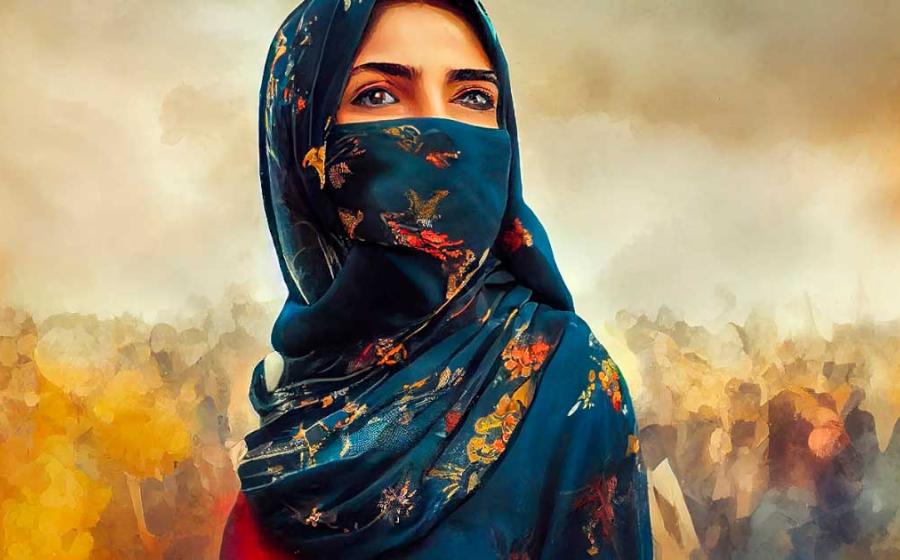
The death of British Queen Elizabeth II earlier this year provoked retrospectives on her reign, as well as reflection on the rule of other female monarchs. Many powerful women leaders of the West are well-known, but there have also been numerous Muslim queens and sultanas, who ruled over powerful kingdoms. 1)Sultana Taj ul-Alam (ruled 1641-75) Taj ul-Alam Safiatuddin Syah was born in 1612, the daughter of Iskandar Muda, king of Aceh (present-day Indonesia), and his royal wife, Putri Sani. Her father’s rule was known as the ‘golden age’ of Aceh, but he was a despot, ruling through military might rather than diplomacy. At the time of his death, he had no legitimate male heirs, having killed his own son just
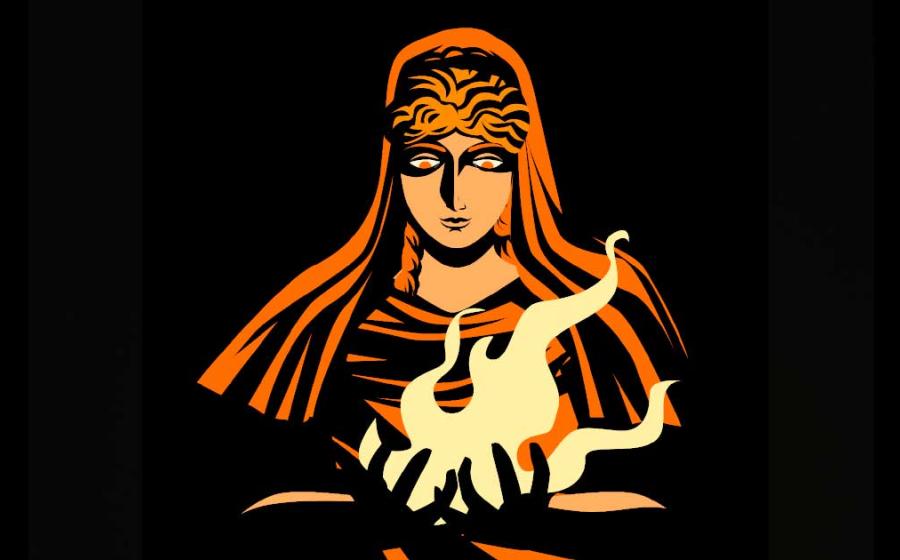
A woman stands next to a large flame, with a staff in one hand and tending to the fire with the other. This is Hestia, the Greek goddess of the hearth, home, and family. Her name literally means “hearth” or “fireplace.” Although Hestia may not be the strongest among her peers, she holds great importance in the social and religious life of the ancient Greeks. In Greek mythology, there is little mention of the goddess Hestia because while the other deities enjoyed the freedom to do what they wanted, she was always at home tending to the sacred hearth. She is known for being pure and peaceful and spent most of her time tending to her duties. Her attitude of
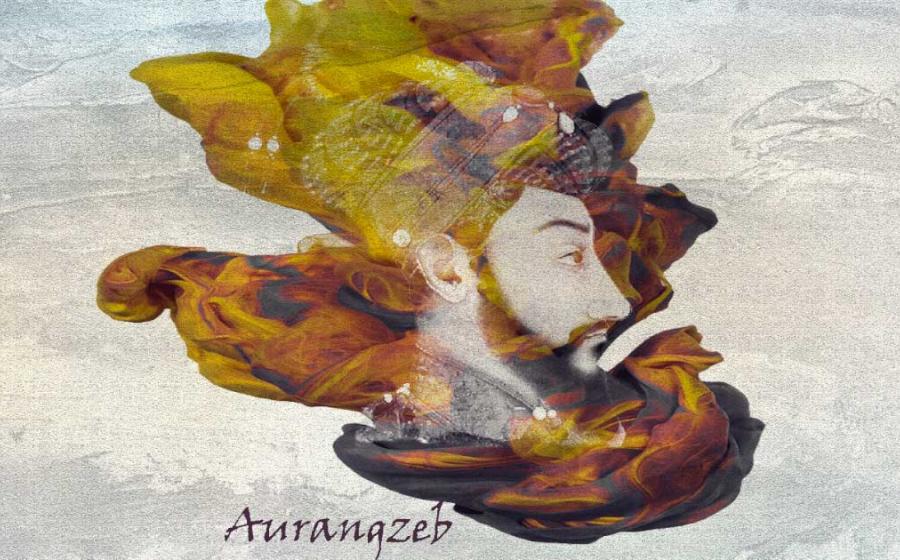
An old man sits hunched over his prayer mat as dawn breaks over the horizon, his white beard soaked from tears shed through the night. No one would believe that this troubled figure is the sixth Mughal emperor, Aurangzeb Alamgir. The year is 1707, and Aurangzeb is nearing the end of his life. In these final days, he recalls his full life, which expanded the Mughal Empire, and writes anguished deathbed confessions to his sons. Aurangzeb’s ascension to the throne had been turbulent, marked by infighting and betrayal. His cruel treatment of his brothers after emerging victorious was used to define his personality. However, is it fair to judge him so harshly for something many before him had done? This
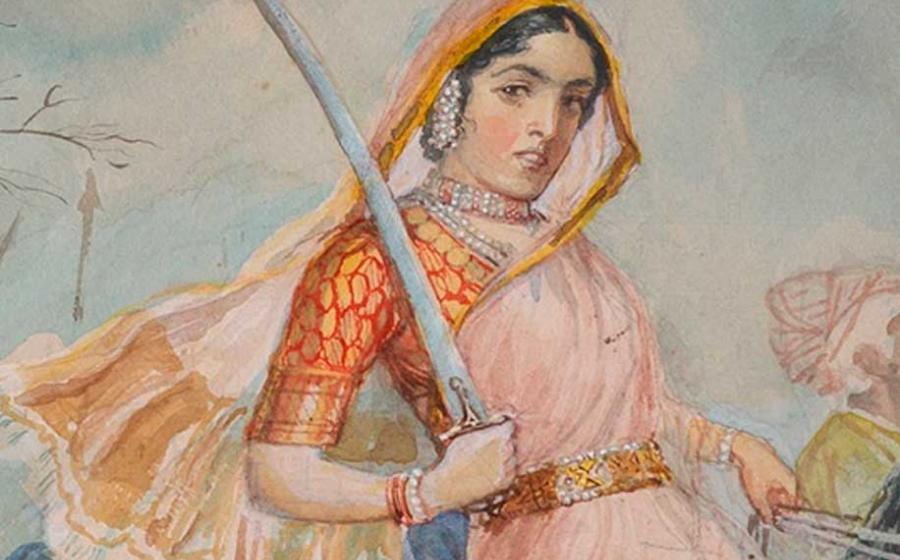
When we think of the empowerment of women, we usually think about Western culture. Nevertheless, the East has had its fair share of female role models. While Islam has historically given men the role of providing security, women were not restricted from doing the same. During the Mughal Empire, a special class of female soldiers known as the Urdubegis appeared on the scene with the sole purpose of protecting the Mughal emperor and his harem. In point of fact, over time many Muslim women were famed for their fighting skills, including Nusaybah Bint Ka’ab, the first female warrior of Islam. The Mughal Empire sprang up in India in 1526, when Babur, the first Mughal emperor defeated Ibrahim Lodi. Accompanying Babur
“Sing Goddess, the rage of Achilles” is the very first line of The Iliad, Homer’s epic poem, as he introduces its main hero. The Greek hero Achilles was believed to have been the strongest, bravest, and even the most handsome in the army of Agamemnon. However, Achilles was just one in the pantheon of heroes that reside within Greek myths. With heroes such as Heracles, Theseus, and many more to be compared to, where would Achilles stand among his peers? In this article, we will explore the life of Achilles and determine if he truly deserves the title of greatest hero. Odysseus Recognizes Achilles Amongst the Daughters of Lycomedes, by Louis Gauffier. ( Public domain ) The Birth of Achilles
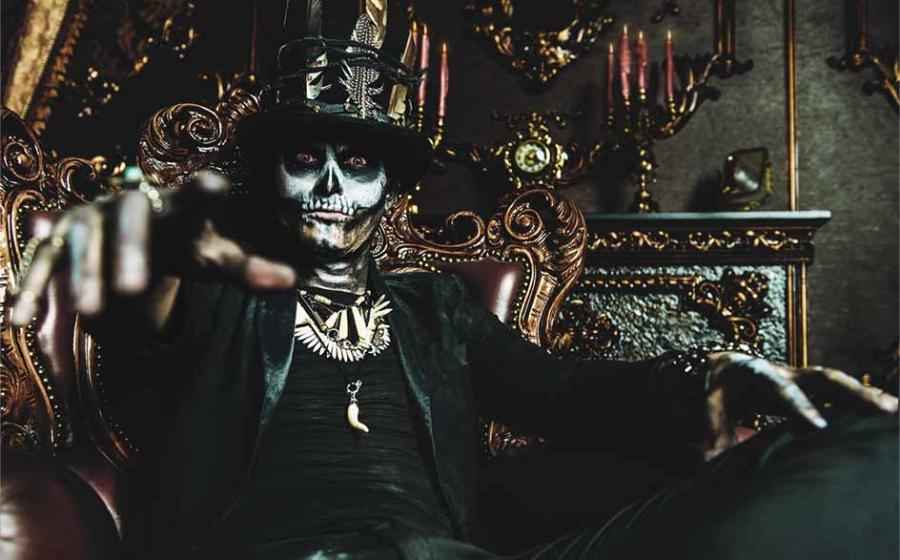
Death is an inevitability that every person must face. It is the fate of all humans. However, to make death easier, each religion provides a guide that assists the transition from the human world to the afterlife. Within the religion of Haitian Voodoo, the task is carried out by the Loa known as Baron Samedi. Loa are spirits in the African diasporic religion of Haitian Voodoo. Baron Samedi’s name translated means “Lord Saturday,” and he is the most recognizable of the Voodoo Loa. Voodoo Religion and the Powers of Baron Samedi To understand the Baron and his powers, we must first understand the religion that he hails from. Catherine Beyer writes in her article, “An introduction to the Basic Beliefs
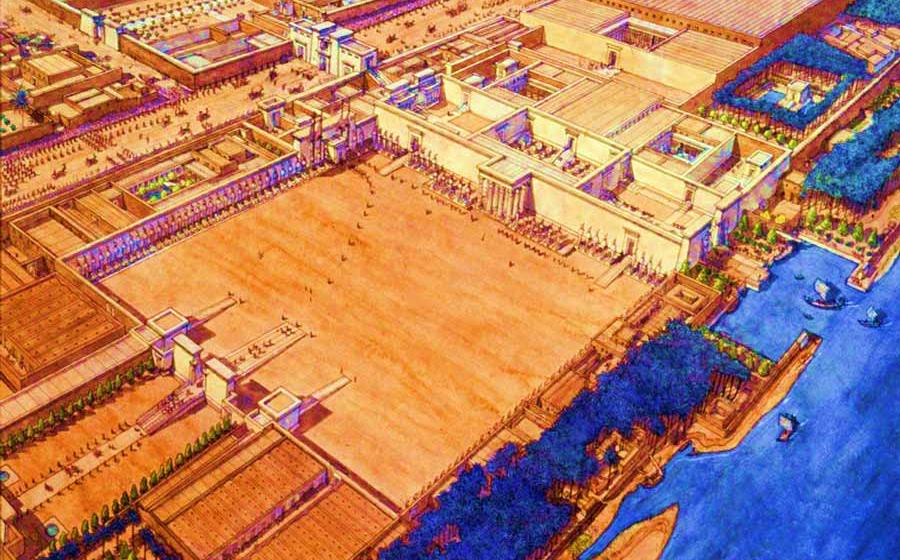
Egypt has a rich history of architectural monuments that dot its landscape. Each monument is a testament to the pharaoh who created it. These buildings have forever cemented the names of the pharaohs in the annals of Egyptian history, granting them the everlasting immortality that they craved. And yet, there is one pharaoh who was robbed of this honor. In the New Kingdom era, mysterious, alien-like pharaoh Akhenaten would lead a revolution that would shake the very foundations of Egyptian culture. His Aten cult religious revolution was a total departure from the past. And with his “revolutionary” smaller talatat blocks, Akhenaten was able to build many new grand structures in his lifetime. And then his name and his ideas were
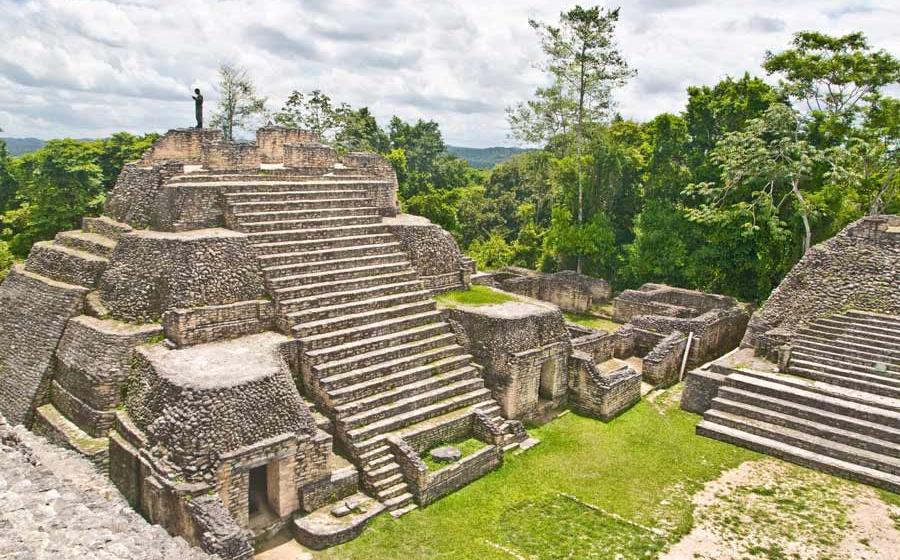
Something of a hidden gem, Caracol is one of the largest Maya sites of Central America, and certainly the largest in Belize, yet it receives far less footfall than other ruins in the region. The reason? It’s just so remote, which is likely just how the ancient Maya wanted it. But if you read on, you’ll soon find out why it’s worth that little extra effort to discover it for yourself. The extent to which Central America is covered by ancient ruins is hardly comprehensible, with the LiDAR scanning of Guatemala and Belize in recent years bringing this fact home, including the revelation of some 60,000 previously unknown structures hidden beneath the forest. It is quickly becoming very obvious that
A bard travels through the streets, gathering an audience as he goes, and then starts to recall the adventures of heroes and the tales of the gods. In the ancient world, word of mouth was one of the ways for information to travel. Within the annals of history, nothing gives us a clearer window into the ancient world than mythology. By understanding what the ancients believed, we can start to understand their thinking. According to psychiatrist Carl Jung, “Myth is a necessary aspect of the human psyche which needs to find meaning and order in the world.” According to the Oxford dictionary, the literal translation of “myth” is “a traditional story, especially one concerning the early history of a people