jim willis

Profile picture for user jim willis
Jim
Willis

Jim Willis, Ancient Origins contributor and friend sadly passed away in June 8, 2024. His wisdom, knowledge, storytelling and positivity will be greatly missed. Rest in Peace Jim.

After graduating from the Eastman School of Music, Jim Willis became a high school band and orchestra teacher during the week, a symphony trombonist on the weekends, a jazz musician at night and a choral conductor on Sunday mornings.  The author of nine books on religion and spirituality, he was an ordained minister for over forty years while working part-time as a carpenter, the host of his own drive-time radio show, an arts council director and adjunct college professor in the fields of World Religions and Instrumental Music.  His teaching career produced both the comprehensive one-volume encyclopedia of religion, The Religion Book, and Armageddon Now: The End of the World A to Z, written with his wife, Barbara.  Both were published by Visible Ink Press.  Concern for spiritual growth in contemporary society prompted his book Faith, Trust & Belief: A Trilogy of the Spirit, while his love for long-distance bicycling led him to make several cross-country bike trips and inspired his first book, Journey Home: The Inner Life of a Long Distance Bicycle Rider and its sequel, Snapshots and Visions: A View from the Now.  Savannah: A Bicycle Journey Through Time and Space continued in that tradition.  His residence in the woods of South Carolina inspired his books, The Dragon Awakes: Rediscovering Earth Energy in the Age Of Science, Ancient Gods: Lost Histories, Hidden Truths and the Conspiracy of Silence,  Supernatural Gods: Spiritual Mysteries, Psychic Experiences, and Scientific Truths. And his latest: Lost Civilizations: The Secret Histories and Suppressed Technologies of the Ancients.

https://www.facebook.com/jimwillis.author/

http://www.jimwillis.net/home.html
Lost Civilizations

Unearthing the scientific evidence, myths, and legends of ancient civilization! The reminders of the Ancients are everywhere. They are saved in remnants in archaeology. They are found in reminiscences in mythology. They are recorded in books, story, song, and stone. Who were these people, aliens, man-or-myths? Do we still see their influences today? What remains of these inhabitants of the jungles, lost cities, and dwellings underground, underwater and beyond? How did they rise? Why did they fall? Will they rise again? From pyramids and underground bunkers to watery graves and ancient astronauts, Lost Civilizations: The Secret Histories and Suppressed Technologies of the Ancients examines the archaeological evidence and the traces left behind by more than 70 ancient civilizations.

Member for

9 years 4 months

View Recent Blogs

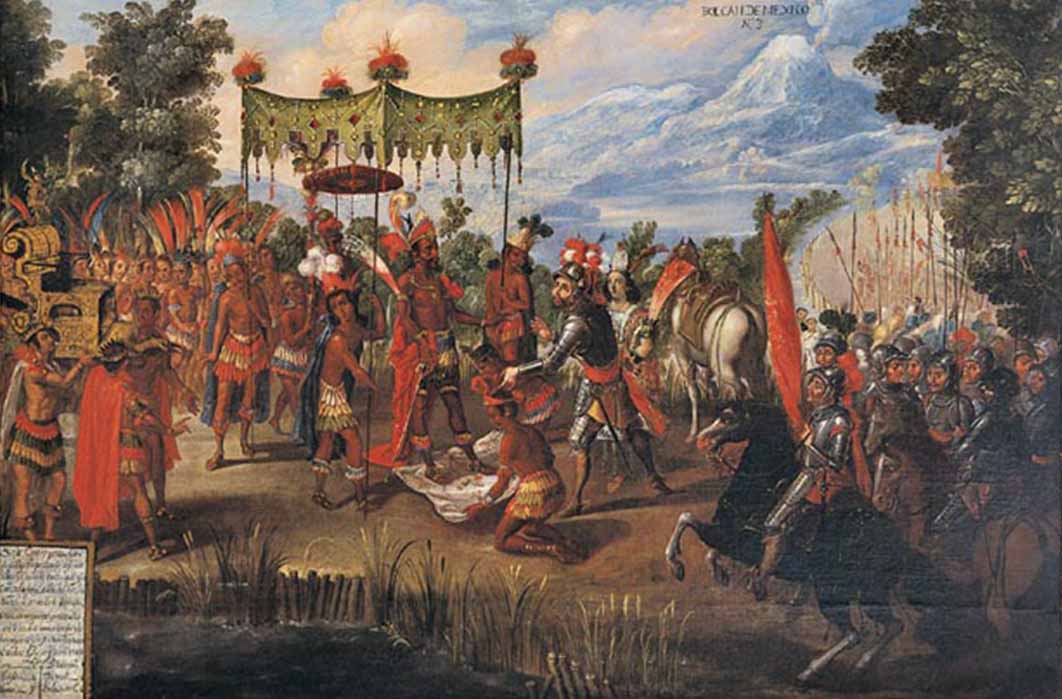
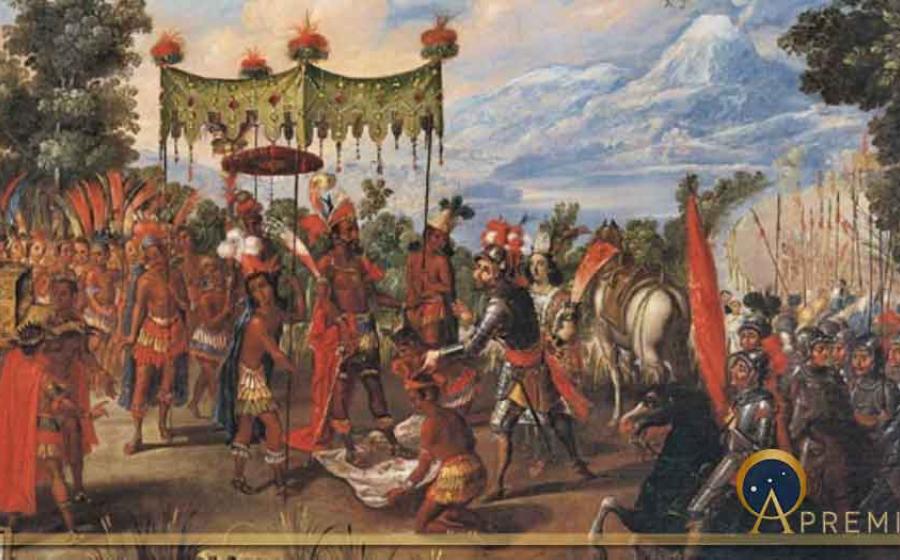
The missing gold of Montezuma, ninth Emperor of the Aztec Empire was buried by the Aztecs, the Utes protected it, the Spanish killed for it, and the Mormons looted it, but is the bulk of it still out there? On November 18, 1519, Spanish conquistadors under the command of Hernando Cortés entered the Aztec capital of Tenochtitlan, now Mexico City, overthrowing indigenous control and imprisoning Montezuma, the ruler of the empire. Cortés had sailed east from Cuba before marching his soldiers overland from Vera Cruz. Their objective was, despite what church leaders wrote about missionary endeavors, to harvest gold and riches. With the capture of Tenochtitlan, their objectives were realized almost beyond belief. The amount of gold they discovered surmounted
About 5,000 years ago, when the Phoenicians dominated the Mediterranean trade routes and were, perhaps, beginning to venture out into the Atlantic as far west as North America, and when a mysterious civilization was building house foundations in the Canadian Arctic and another was constructing shell circles along the coastline of South Carolina and Florida, another mysterious sea-faring people were thriving up north in Maine and Canada. [[{"type":"media","view_mode":"media_large","fid":"115534","attributes":{"alt":"Part of Abraham Ortelius' atlas from 1570, showing \"Norvmbega\" among other somewhat mythical names for various areas as well as several phantom islands. (Public Domain)","class":"media-image","height":"410","style":"width: 610px; height: 410px;","typeof":"foaf:Image","width":"610"}}]] Part of Abraham Ortelius' atlas from 1570, showing "Norvmbega" among other somewhat mythical names for various areas as well as several phantom islands. ( Public
Some lost treasures do not consist of gold, silver, or precious gems, yet their value exceeds monetary reckoning. Some even consider these lost treasures priceless, and a few seem to be cursed, considering the experience of those who figure prominently in them – such are the valued treasures of lost documents. Roman leaders, for instance, consulted the Sibylline Books for 900 years before they disappeared. And then Rome fell. Many Mayan texts, including the famous Codices, were burned by Spanish conquistadors and Catholic monks in the 16th century. A precious few were copied and hidden, otherwise history would never even have reported on them. And the once mighty Maya empire collapsed into the mists of time, leaving only magnificent, crumbling
On July 24, 1715, a convoy of 11 Spanish ships and one French merchantman set sail from Havana, Cuba to Spain. It was called a “Plate Fleet” because their cargo consisted of valuable treasure looted from the so-called “New World”. Plata is the Spanish name for silver coins that made up much of the wealth stored in their holds. Thus, it was a Plata, or “Plate” fleet. Generally, two such fleets sailed every year. The Flota de Tierra Firme traveled from Spain to Cartagena and Panama, carrying various trade goods and necessities. The Flota de Nueva España went to Veracruz. For safety, the two fleets often stayed together until they reached the Caribbean. It was on the return voyage that
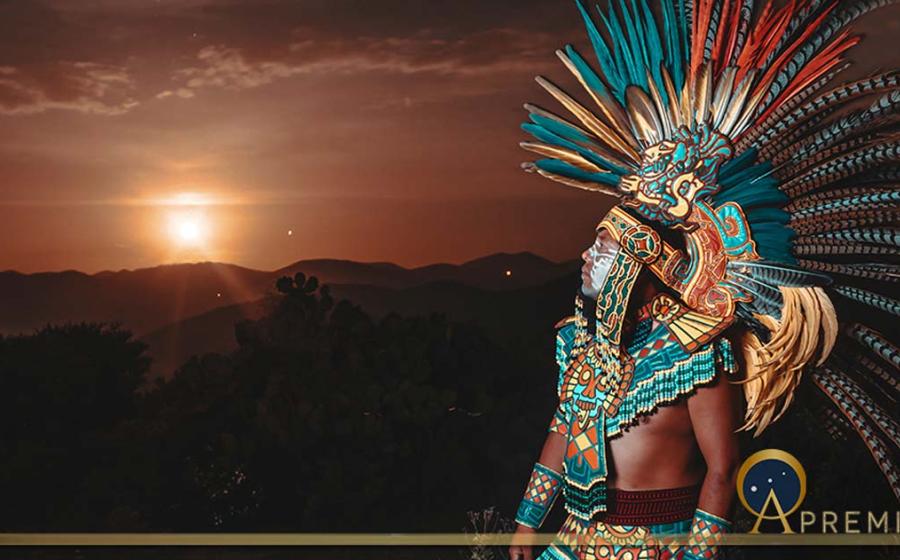
About 1,800 years ago, a group of people migrating from an unknown northern location began to settle in what is now called the Valley of Mexico. They are called Aztec, a name derived from the word Aztlán, which means " White Land," the “ home of the seven caves.” This might refer to their ancestral homeland. Its exact location is uncertain, but many anthropologists believe it to be in what is now northern Mexico, while others place it much farther to the north. They were a Nahuatl-speaking culture, who soon began to build an extensive system of canals and dikes, needed to control water levels for agriculture. [[{"type":"media","view_mode":"media_original","fid":"113418","attributes":{"alt":"Itzcoatl in the Codex Mendoza (Public Domain)","class":"media-image","height":"699","style":"width: 336px; height: 699px;","typeof":"foaf:Image","width":"336"}}]] Itzcoatl in the