James Turner

Profile picture for user James Turner
James
Turner

Dr James Turner attended the University of Glasgow before undertaking his doctoral studies at Durham University. Deeply afraid of numbers and palaeography, his main research interests surround medieval aristocratic culture and identity. Over the last few years he has been increasingly fascinated by medieval globalism. James is the author of The Royal Bastards of Twelfth Century England: Power and Blood. A strong advocate of the need to make history increasingly accessible to the public has written a number of articles on topics such as the trans-cultural nature of Harald Hardrada's travels and the long history of the political motivated repurposing of Arthurian Romance literature. He lives and works near a beach in South Ayrshire.

Member for

3 years 4 months

View Recent Blogs

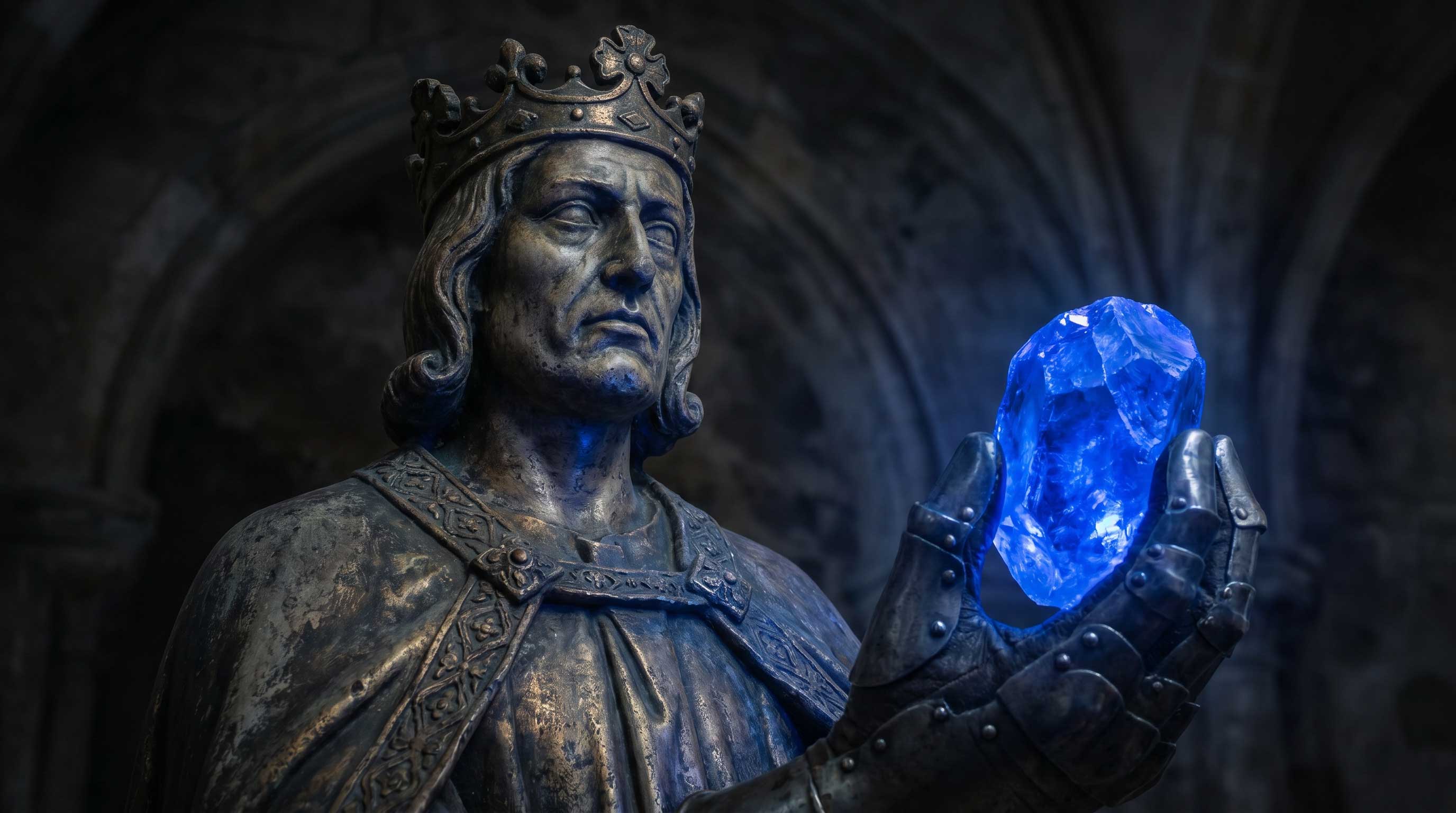
King John is usually remembered as the villain of Magna Carta, a ruler associated with failure, rebellion, and the collapse of royal authority. Yet behind that familiar image lies a stranger and far more intriguing story: John appears to have placed extraordinary value on jewels and gemstones, not simply as marks of wealth, but as objects bound up with protection, healing, kingship, and power. 

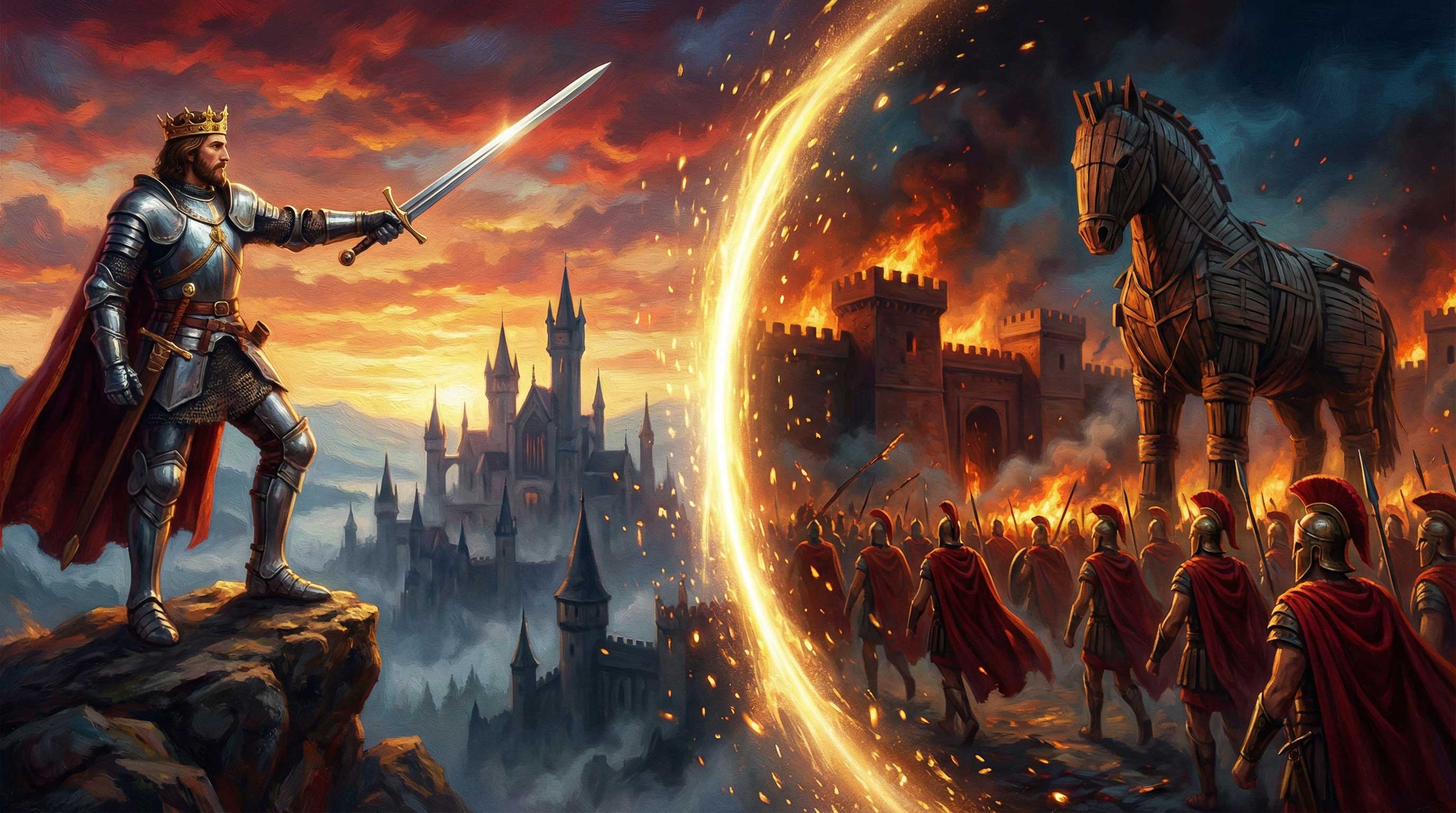
When we think of King Arthur, we picture the quintessential British hero: a noble king pulling a sword from a stone, presiding over the Knights of the Round Table, and defending his homeland against Saxon invaders. He is the ultimate symbol of British mythology. But what if the roots of this legendary figure aren't entirely British? What if the origins of Camelot can be traced back to the ashes of Troy, the epic poetry of Virgil, and the classical heroes of ancient Greece and Rome?

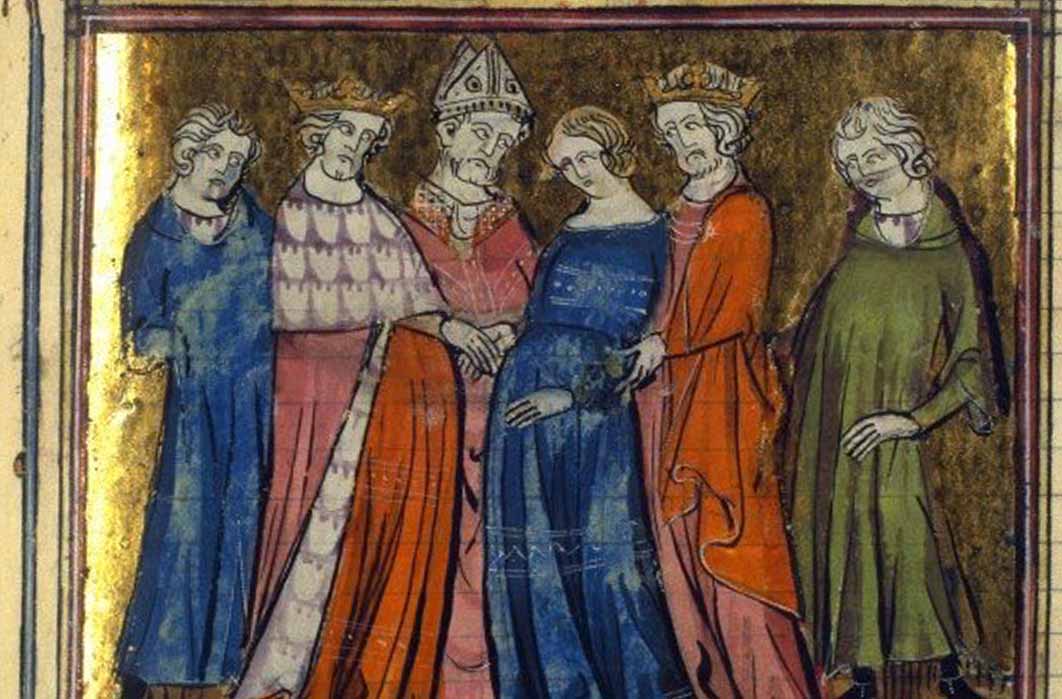
Familial identity and affinity were crucial factors in the establishment of an aristocrat’s social and political contexts, defining to a significant extent their place and interactions within the networks of power in which they existed. These factors derived from the family’s role as a receptacle of wealth. While personal disputes were far from uncommon, a sense of identity and inclusivity in a shared dynastic enterprise necessarily required, and was incentivized by, a stake within the collective fortunes and inheritance portfolio of that family. Marriage was not only the principal mechanism through which these family networks could maintain themselves, but also the means through which they could cultivate and grow other connections and so expand their political and landed interests within
In 1106, King Henry I of England captured his elder brother, Robert Curthose, Duke of Normandy, during their decisive clash at the Battle of Tinchebray. While Robert Curthose’s capture provided Henry I with the necessary leverage and military prestige to annex Normandy and usurp the title of duke, the king was now presented with the serious dilemma of what to do with his deposed sibling. Even captured and momentarily humbled, Robert Curthose was a potential figurehead for any future aristocratic resistance to Henry I’s rule. [[{"type":"media","view_mode":"media_large","fid":"110525","attributes":{"alt":"Battle of Tinchebray by Rohan Master (Public Domain)","class":"media-image","height":"609","style":"width: 610px; height: 609px;","typeof":"foaf:Image","width":"610"}}]] Battle of Tinchebray by Rohan Master ( Public Domain ) As the eldest son of William the Conqueror, the now deposed Robert Curthose, Duke