James T. Carney is graduate of Yale College and the Yale Law School. In his semi- retirement, he has returned to his first love- history with a specialization in the American Civil War and the Last Century of the Roman Republic. His biography of L. Sergius Catilina entitled Catiline; Rebel of the Roman Republic
James Carney
James
Carney
Blog: View recent blog entries
View Recent Blogs
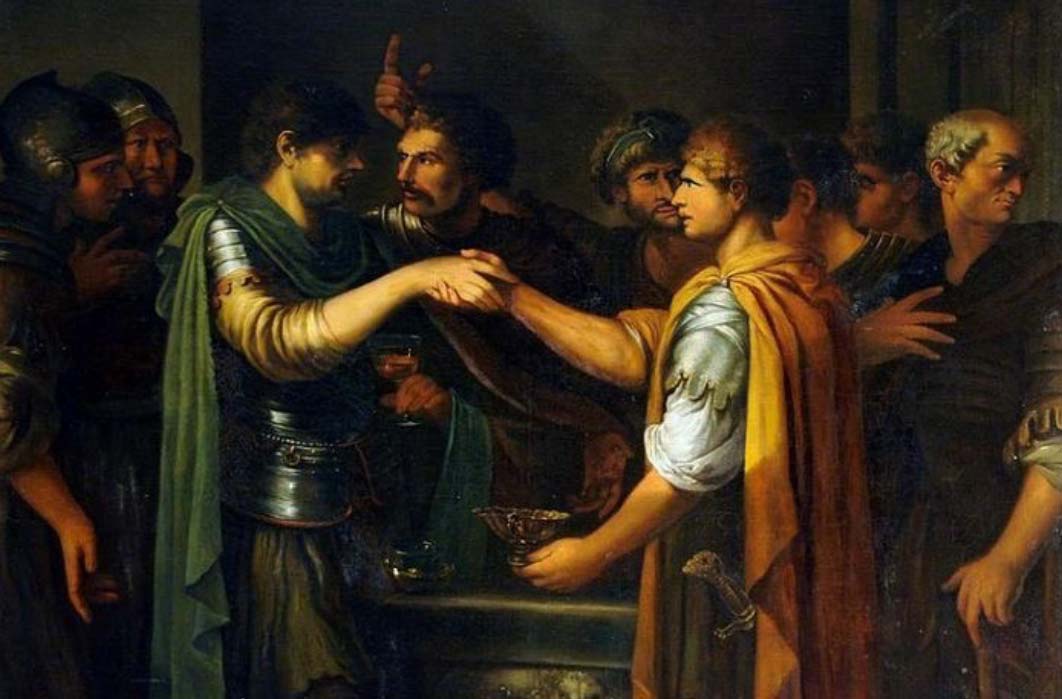
L. Sergius Catilina (106 BC to 62 BC) was a Roman soldier and politician who attempted unsuccessfully to overthrow the Roman Republic following his second defeat for consul due to the efforts of his nemesis, M. Tullius Cicero. Catiline had been born into an ancient noble family whose luster had faded a century before his birth. He was probably trained from childhood to restore his family’s ancient glory by attaining the ultimate goal every Roman nobleman aspired to - the consulship. In the first century BC almost every individual who attained the consulship was a member of a family whose ancestors had attained the consulship in recent times. The odds of Catiline succeeding in his goal were not good. [[{"type":"media","view_mode":"media_large","fid":"110249","attributes":{"alt":"Bowls
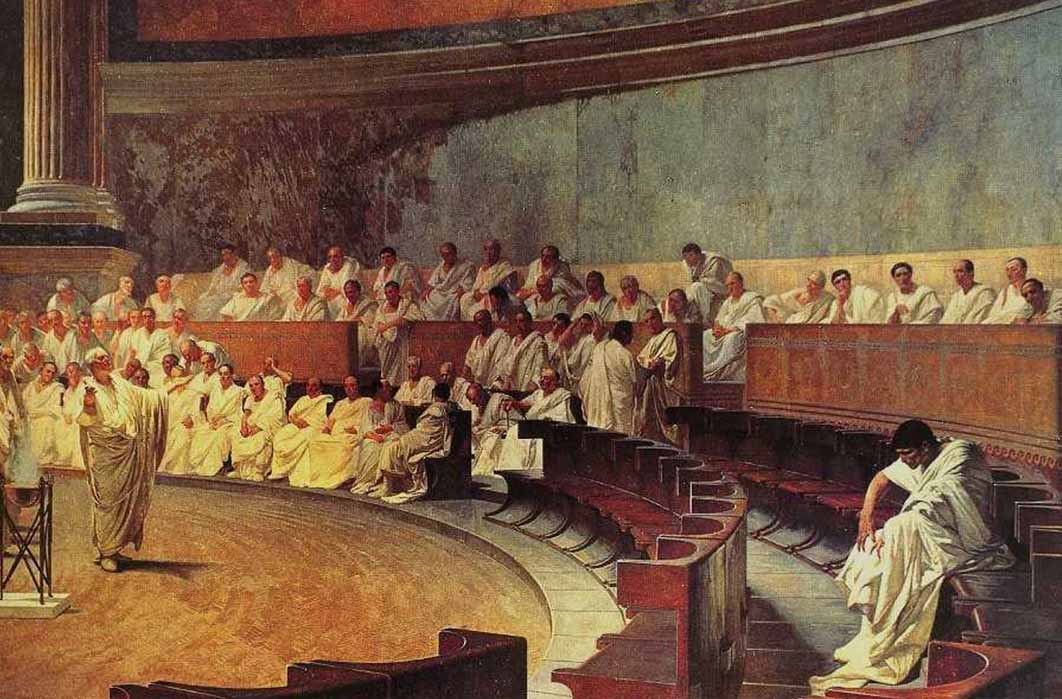
L. Sergius Catilina (106 to 62 BC), or Catiline, who eventually led a failed revolt against the Roman Republic, embodied the virtues and vices of members of his class and generation. Catiline was neither a villain as depicted by Cicero or Sallust, nor a principled popularis (someone who advanced popular causes opposed by the elite) portrayed by some historians. Nor was he a puppet of more prominent figures such as Crassus or Caesar or a bogeyman of Cicero’s imagination. In short, Catiline was one of the Sullani (a follower of Sulla); Catiline was a conservative who was as ambitious as Sulla, but not as lucky. Catiline’s oldest political supporter was the princeps senatus (leader of the senate) Q. Lutatius Catulus