Jacek Krzyszton

Profile picture for user Jacek Krzyszton
Jacek
Krzysztoń

Jacek Krzysztoń – economist, entrepreneur, and independent researcher, creator of the theory on the socio-economic purpose of building the Great Pyramids of Egypt. He is the author of books on economics, business, and real estate, including Egyptian Pyramids: Big Tombs or Big Business? His theory also inspired the documentary film The Pyramids – Tools of Power.

Member for

1 year

View Recent Blogs

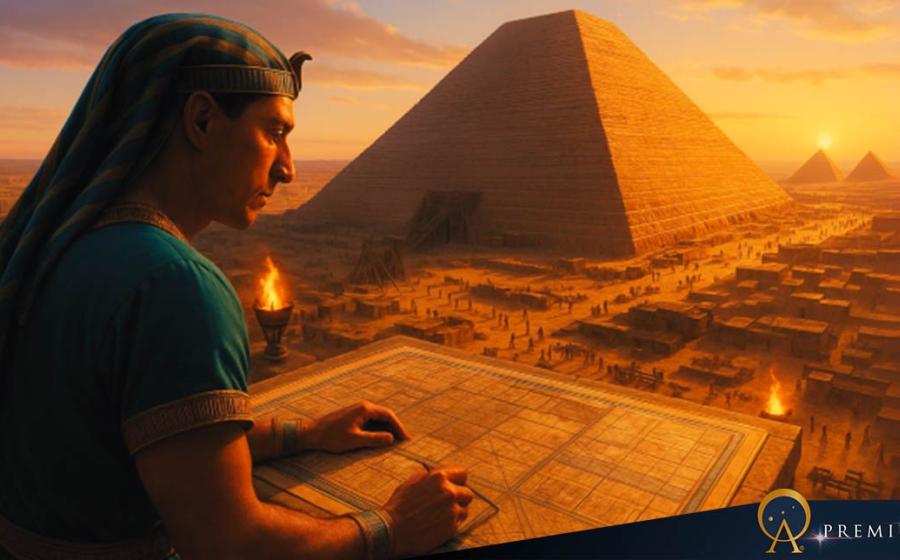
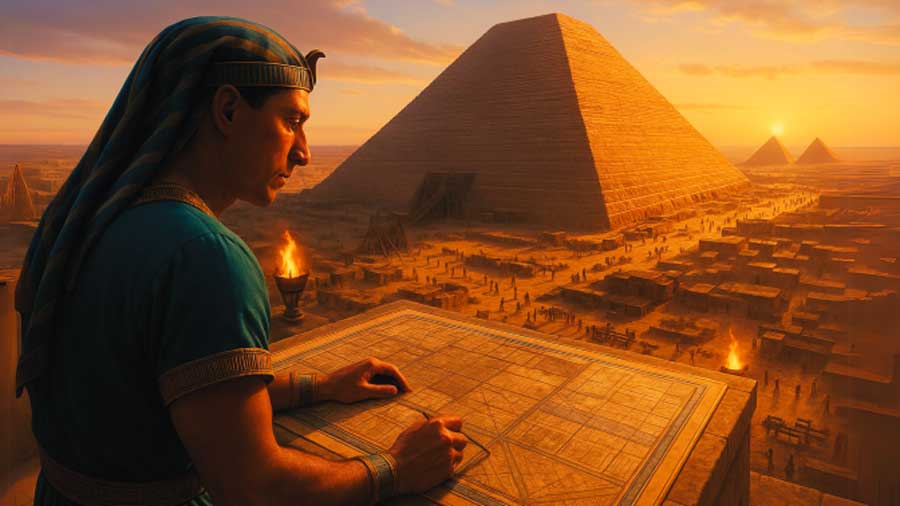
It is one of the greatest enigmas of the Old Kingdom. Following the stunning engineering and organizational feat of the Great Pyramid of Giza, something unexpected happened. Instead of continuing and perfecting this formula, subsequent pyramids became... smaller and smaller. Why, after reaching the zenith, did Khufu’s successors, his son and grandson, and later the pharaohs of the 5th and 6th Dynasties, begin to drastically and systematically reduce the scale of their monuments?

Were the Egyptian pyramids truly just tombs built with eternity in mind? Or did they hold a far more practical meaning? For centuries, we have been told that the monumental structures of the pharaohs served primarily as their eternal resting places. All other outcomes of their construction—such as the growth of the economy, infrastructure, or social cohesion—were treated as mere side effects of a grand endeavor. But what if it was the other way around? What if the main purpose of these stone giants was not death, but life—with its everyday challenges and the pressing needs of society in the “here and now”? A new theory, increasingly breaking through the rigid frameworks of traditional narratives, invites us to rethink the

Were the Egyptian pyramids truly just tombs built with eternity in mind? Or did they hold a far more practical meaning?

For centuries, we have been told that the monumental structures of the pharaohs served primarily as their eternal resting places. All other outcomes of their construction—such as the growth of the economy, infrastructure, or social cohesion—were treated as mere side effects of a grand endeavor.