Hugh Newman

Profile picture for user Hugh Newman
Hugh Newman

Hugh Newman is a world explorer, megalithomaniac and author of Earth Grids: The Secret Pattern of Gaia’s Sacred Sites (2008), co-author of Giants On Record: America’s Hidden History, Secrets in the Mounds and the Smithsonian Files with Jim Vieira (2015), and Stone Circles (2017). He is also published in three Ancient Origins ebooks. He has been a regular guest on History Channel’s Ancient Aliens and Search for the Lost Giants and has been on the BBC, Sky TV, Bosnian TV and is currently involved in Road 2 Ruins (US) and Ancient Tomorrow (US) documentary projects. He is a video producer who publishes regular films of his worldwide explorations at . He has articles published in Atlantis Rising (US), New Dawn (Australia), Nexus (UK/AUS), Mindscape (UK), Heretic (UK), World Explorers Magazine (US), The Circular (UK), The Leyhunter (UK) and on . As well as organising the annual Megalithomania conferences and tours, he co-organises the Origins Conference in London with Andrew Collins and has spoken at events in the UK, Malta, France, Peru, Egypt, Bosnia, Cambodia, Java and North America. He currently lives in Wiltshire, England.  .

Hugh is co-hosting tours to ancient sites and speaking at several conferences this year. See his full schedule at: 

See his articles in the ‘Ancient Origins’ E-books, and:

European Dolmens in Colombia - The Mysterious Ruins of San Augustin -  

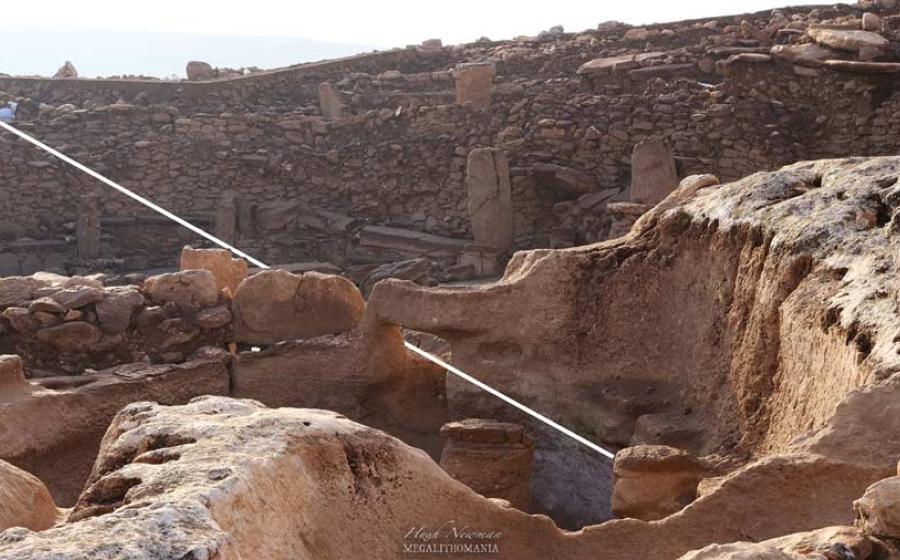
Forgotten Stones: Secrets of the Megalithic Quarries: Göbekli Tepe - 

The Forgotten Stones of Baalbek, Lebanon – 

The Forgotten Stones of Karahan Tepe, Turkey –

The Forgotten Stones of Aswan Quarry, Egypt –  

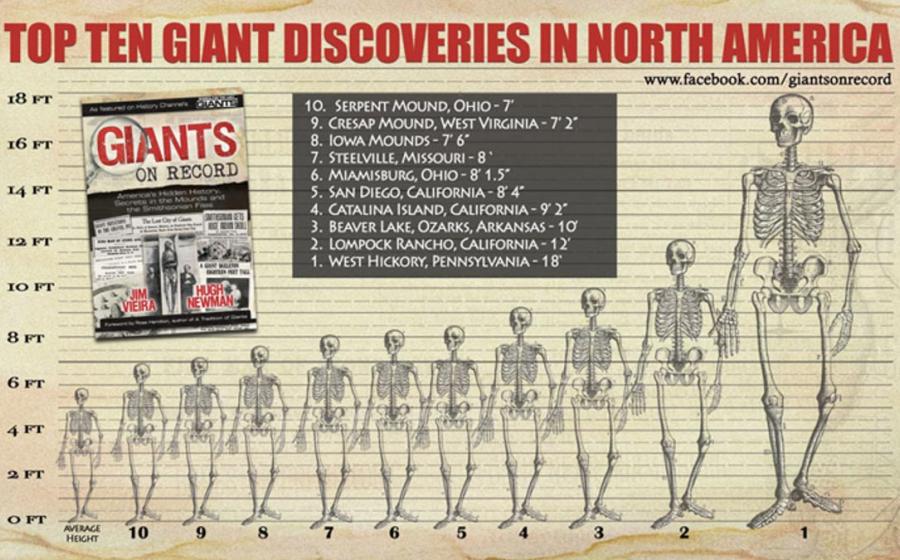
Top Ten Giants Discoveries in North America (with Jim Vieira) –  

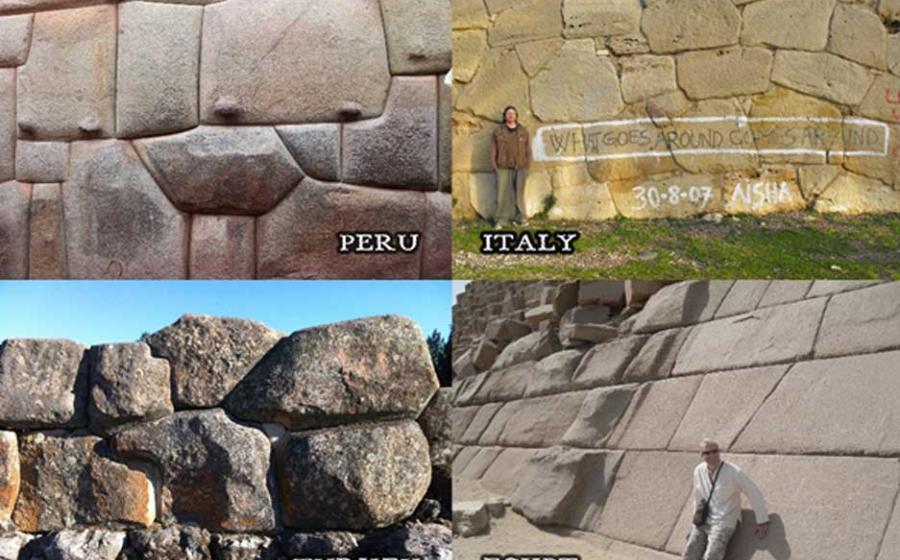
Megalithic Origins: Göbekli Tepe and Ancient Peru - The Same Architects? – 

Geometric Stone Spheres of Scotland: Part 1 – More Than A Projectile - What Possible Purpose 5,000-years Ago? –  

Member for

12 years 10 months

View Recent Blogs

The winter solstice marks the shortest day and longest night of the annual cycle centered around 21st December; a turning point of the year venerated by ancient cultures worldwide. Accurately built into sophisticated megalithic monuments, this alignment has now been recorded in temples that date to nearly 12,000 years ago. Hugh Newman reveals seven remarkable ancient sites aligned to the winter solstice that can still be visited today. Every year, on December 20th-23rd the sun reaches the most southerly point on the horizon, appearing to rise in the same location for a few days. Solstice literally means ‘standstill of the sun’ and the sunrise appears to do just this. Christmas marks the time when the sun is reborn and longer

Premium Webinar with Hugh Newman

In this webinar Hugh will share his research on the thousands of giant skeletons that have been found in North America and look at the phenomenon based upon the written evidence in the academic record. News reports of giants could be exaggerated or even lies to sell newspapers, but when the academics repeat the same descriptions of oversized, powerful skeletons over a 100 year period in different parts of the country, the study of ‘giantology’ must be taken seriously.

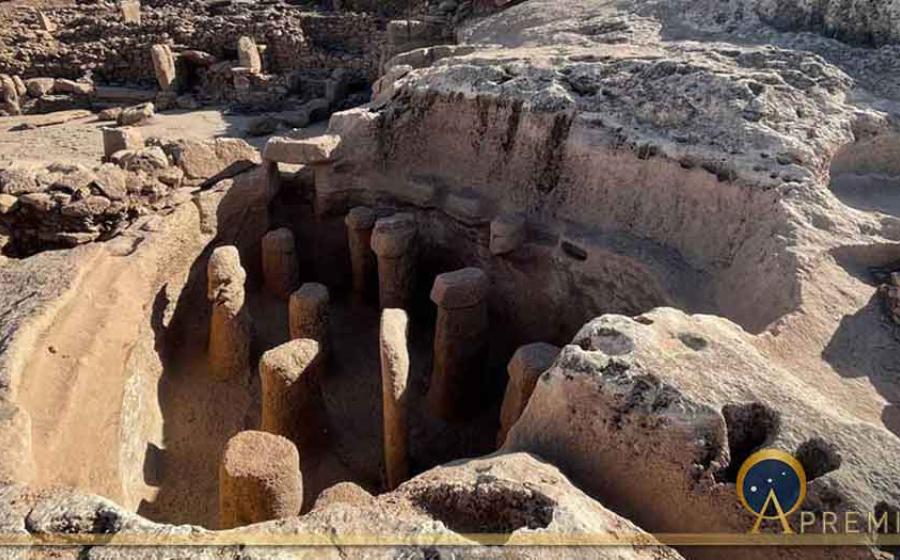
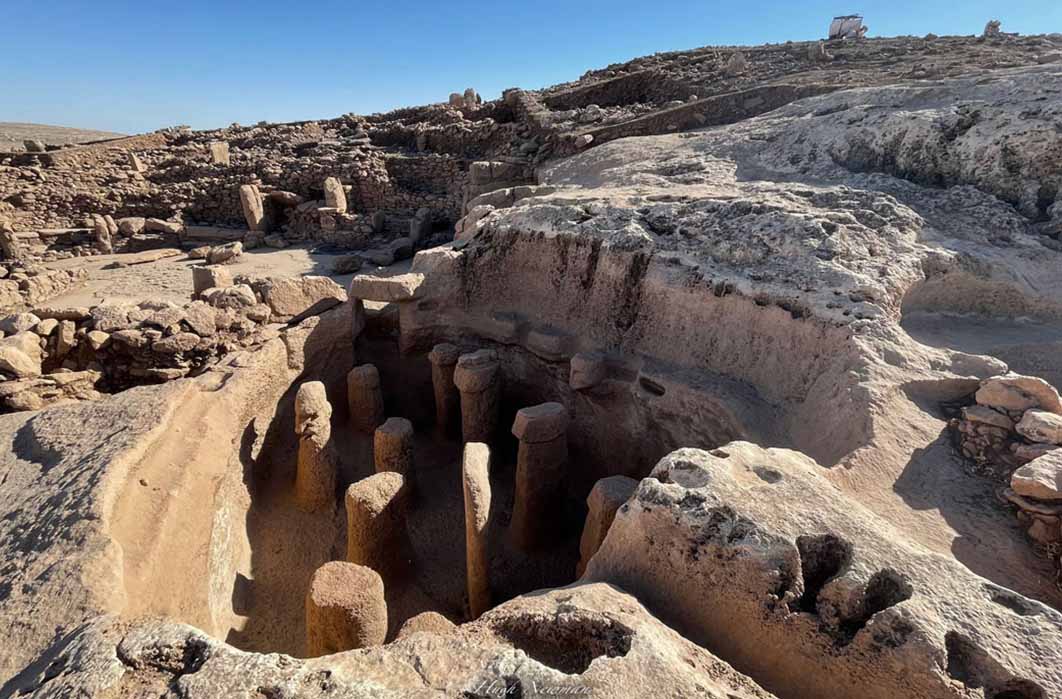
Ancient megalithic sites all over the world are still visited in celebration of winter solstice, to welcome the sunrise on the shortest day of the year in the northern hemisphere. From Newgrange in Ireland and Gavrinis in France, to Stonehenge, Karnak and Chaco Canyon in Arizona, the ancients built distinct alignments into their structures. The most ancient example, and without doubt the most visually impressive winter solstice phenomenon, is found at Karahan Tepe in southeast Turkey. The problem is, Karahan Tepe is 11,400 years old, and it is commonly believed that the ‘primitive hunter-gatherers’ were not supposed to have been able to construct such megalithic temples nor could they have had a sophisticated understanding of solar astronomy. Yet they did
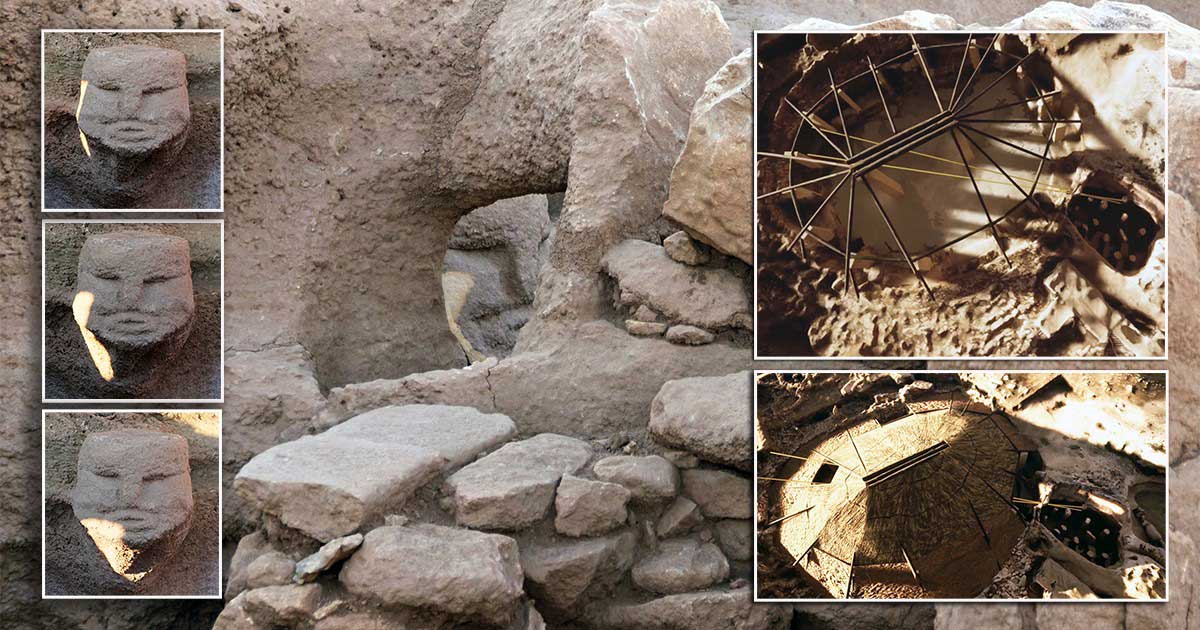
Remarkable new discoveries are coming out of the ground in southeast Turkey, bringing both Gobekli Tepe (9600 BC) and Karahan Tepe (9400 BC) back into the spotlight. Located just 23 miles (37 km) southeast of Göbekli Tepe, Karahan Tepe is part of the Taş Tepeler (Stone Hills) project. While excavations began in 2019, the site has been known to archaeologists since 1997. Karahan Tepe is home to the oldest winter solstice alignment ever recorded and covers an area larger than Göbekli Tepe. But it was only in September 2023 that a new enclosure at the top of the hill revealed two remarkable statues, both unique to the site. The first Karahan Tepe statue is the world’s earliest example of a
The Iroquois, the Osage, the Tuscaroras, the Hurons, the Omahas, and many other North American Indians all speak of giant men who once lived and roamed in the territories of their forefathers. All over what is now the U.S. are traditions of these ancient giants. Over 1000 accounts of seven-foot and taller skeletons have reportedly been unearthed from ancient burial sites over a two-hundred-year period in North America. Newspaper accounts, town and county histories, letters, scientific journals, diaries, photos, and Smithsonian ethnology reports have carefully documented this. These skeletons have been reported from coast to coast with strange anatomic anomalies such as double rows of teeth, jawbones so large as to fit over the face of the finder, and elongated
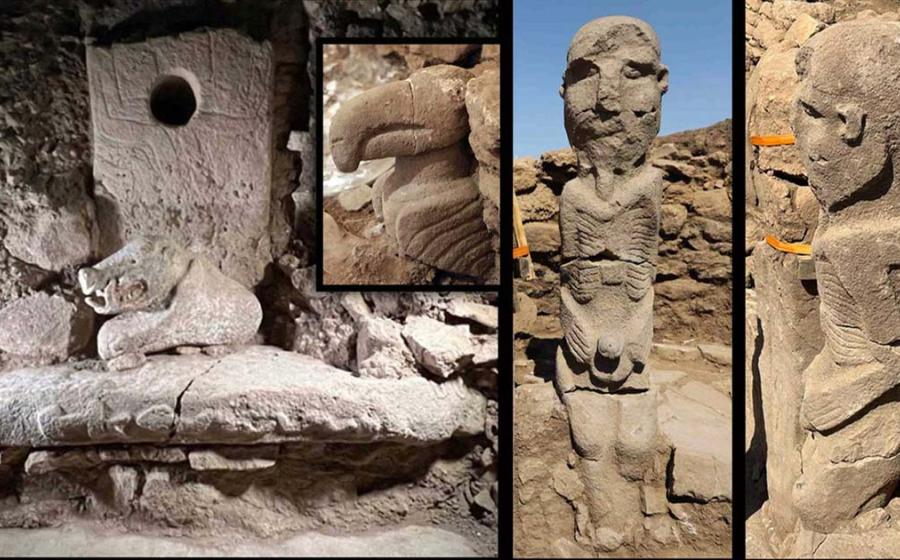
A recently excavated archaeological site in the Tek Tek Mountains in the Şanlıurfa Province of Anatolia is shedding new light on the ingenuity and astonishing creativity of the Neolithic people from this part of southeast Turkey. The site in question lies approximately 25 miles southeast of its more famous sister site, Göbekli Tepe. Karahan Tepe has been dated to about 11,400 years old and has numerous worked stone artifacts with at least 250 monoliths, mostly T-pillars, as well as many unique stone carvings and designs. Like at Göbekli Tepe, this site is covered with many strange depictions of humans, symbols, and animals, sometimes involved in very odd activities, and not least of all, an amazing 3D portrayal of a human
Did giants ever really exist in the British Isles? Can legends of giants building Stonehenge really be true? Why does the establishment deny that giants of Great Britain ever existed? Here is a unique top ten of these gigantic discoveries presented by Hugh Newman and Jim Vieira. [[{"type":"media","view_mode":"media_original","fid":"91851","attributes":{"alt":"The Giants of Stonehenge and Ancient Britain by Hugh Newman and Jim Vieira. (Author provided)","class":"media-image","height":"700","style":"width: 470px; height: 700px;","typeof":"foaf:Image","width":"470"}}]] The Giants of Stonehenge and Ancient Britain by Hugh Newman and Jim Vieira. (Author provided) Hunting for the Giants of Great Britain Hugh Newman and Jim Vieira, bestselling authors of Giants On Record: America ’ s Hidden History, Secrets in the Mounds and the Smithsonian Files (2015), and stars of History Channel’s Search for the
6,500 years before Stonehenge and 7,000 years before the pyramids were constructed, a cult megalithic complex sat atop the hills near current day Sanliurfa, in southeast Turkey. Göbekli Tepe was flourishing an astonishing 12,000 to 14,000 years ago. Today the preserved remains still exhibit high degrees of sophistication and megalithic engineering skill. Back in the 1990's when Robert Schoch exclaimed that the Sphinx could be many thousands of years older than previously thought, he was ridiculed. Graham Hancock's popular theories of a 12,000-year-old Ice Age civilization were slammed. With Göbekli Tepe we now have a unique and remarkably ancient complex that has been carbon-dated by German archaeologists to the end of the last ice-age that is shaking the foundations of