Gustavo Sanchez Romero

Gustavo
Sánchez Romero

Gustavo Sánchez Romero was born on Santa Cruz de Tenerife, Tenerife, Canary Islands, in November 1972. He holds a B.Sc. in Biology (minor in Geology) from Western Michigan University, USA, 1994. He also holds a M.Sc. in Museum Science and Cultural Management from la Laguna University, Tenerife, 2014. In March 2020 he completed a 50-hour introductory course on Canarian Archaeology, Universidad de las Palmas de Gran Canaria, Canary Islands.

Gustavo has been interested in the archaeology of the Canary islands, and specially on Guanche culture, since childhood, after receiving from his parents a series of popular books, and graphic novels, on these topics. Since then he has acquired specialized monographs and classic texts, both in English and Spanish, about the ancestral inhabitants of the Canarian archipelago, the Guanches. These were northern Africa Amazigh clans, mainly from Tunisia, Morocco, Mauritania or Libya, that established themselves on the islands since, approximately, one millennia BC.

Driven by this profound interest, he has been exploring many “off the beaten track” archaeological sites on the island (and others), basically photographing and documenting them, specializing, in a way, on the step pyramids that can be found in many corners of the Canaries. Some of his Guanche discoveries, and part of his research, have been published at the Almogaren, the archaeological publication of the Vienna based Institutum Canarium. The IC was founded in 1969, and has acquired considerable renown as an international and interdisciplinary scientific society dealing with the cultural history of the Canary Islands, and the adjacent Mediterranean. Gustavo´s work has been published in the International Journal of Modern Anthropology. He also has a keen interest in animal legends and mythical creatures, and lives in Icod de los Vinos, northern Tenerife.

Member for

5 years 11 months

View Recent Blogs

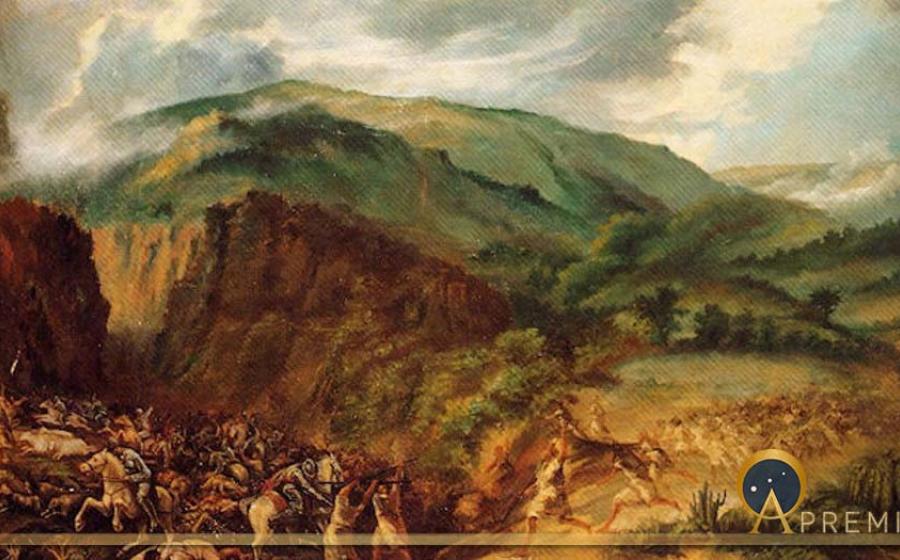
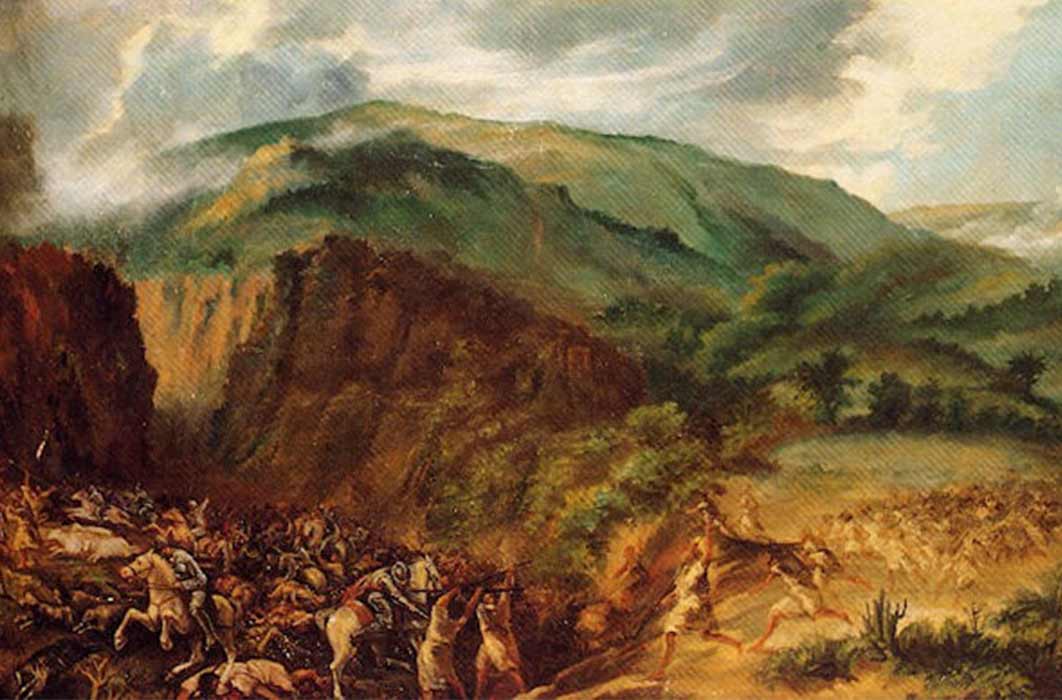
A battle at the end of May 1494, on the north slope of the island of Tenerife, between the Castilian troops of the belligerent Catholic Monarchs of Fernando II of Aragon and Isabel I of Castile and a thousand Guanchess warriors was set to paralyze, in a most surprising way, the brutal conquest of the island by the Crown of Castile. Bencomo, the charismatic and cunning aboriginal leader that was responsible for the great Guanches victory at la Matanza de Acentejo, ( © José Carlos Gracia, provided by Gustavo Sánchez Romero) The Mencey (king or leader) Imobac Bencomo, a 70-year-old veteran in command of the Guanches warriors, together with his brother Chimenchia (also called Tinguaro by the historian / poet
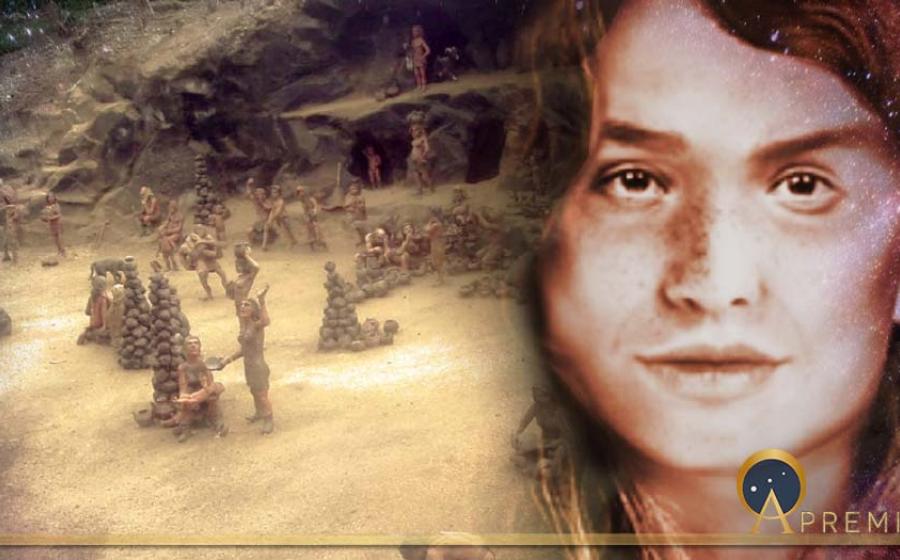
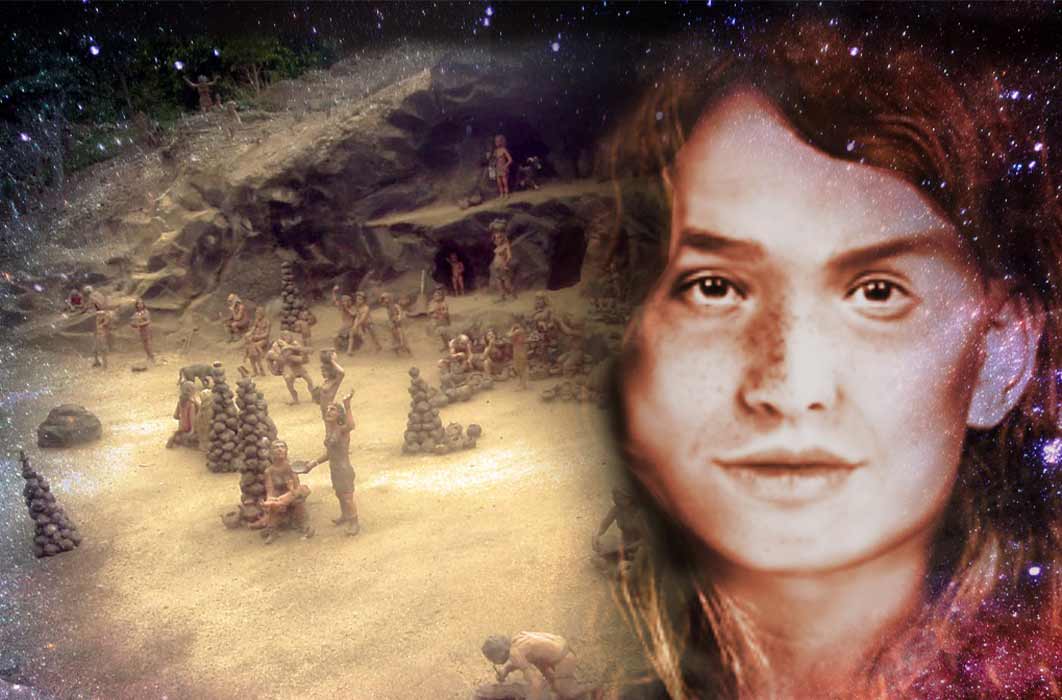
The narratives of history relate the fates and dates of nameless, faceless people who came before us, often reduced only to numbers, but when forensic facial reconstruction puts a face to history, the personalized features tell a story of what it was like to be human, way back then. In such a way a skull, previously only referred to as ‘individual A-46’ in the Anatomical Museum at the University of Edinburgh, Scotland, became a Guanche woman, in the hands of Karina Osswald, a forensic reconstruction artist. The precolonial inhabitants of Tenerife in the Canary Islands came to be known as the Guanches, sharing common origins with the Berbers of the North African coastline, probably the northern Africa Amazigh clans, mainly
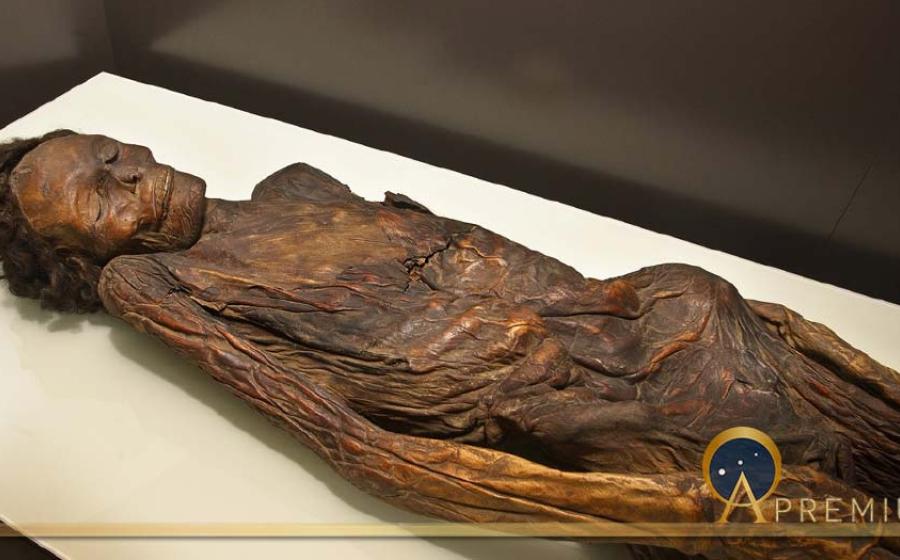
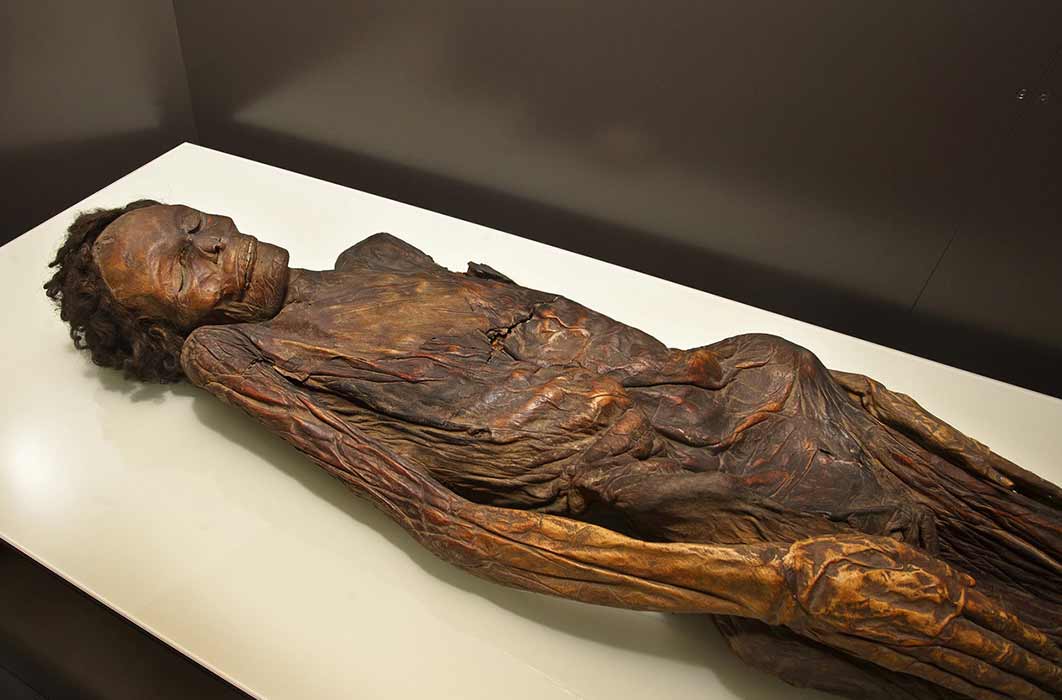
From 1494 to 1496, the island of Tenerife was beset by a military invasion. The conquerors and soldiers of the Castilian kingdom of Castile and Aragon deployed numerous troops to subdue the hardened inhabitants of the island: the formidable Guanches, who had been settled in all the Canaries Islands for thousands of years and whose total population has been estimated at about 100,000 inhabitants by that distant, and fateful, 15th century. Migrating from the neighboring African continent, and more specifically from its northern region, they arrived by their own means and by boats from areas of Western Sahara, Morocco or Tunisia. [[{"type":"media","view_mode":"media_large","fid":"85686","attributes":{"alt":"The mummy entering the scanner for a computerized axial tomography at Hospital Quirón, Madrid. (Image: Author Provided. Hospital Quirón)","class":"media-image","style":"width

From 1494 to 1496, the island of Tenerife was beset by a military invasion. The conquerors and soldiers of the Castilian kingdom of Castile and Aragon deployed numerous troops to subdue the hardened inhabitants of the island: the formidable Guanches, who had been settled in all the Canaries Islands for thousands of years and whose total population has been estimated at about 100,000 inhabitants by that distant, and fateful, 15th century.

The Canarian laurel forest is a prehistoric forest about 20 million years old, present in many enclaves on the north coast of Tenerife. This wonderful and ancient forest formation treasures great botanical and archaeological jewels from the Canarian ancestors, the Guanches. Very close to the visible Mount Teide, a group of independent researchers have just found what could be considered a great Guanche meeting / worship center, associated with fertility rituals and sun monitoring. The space is made up of two large independent rock formations, in the middle of the pristine Canarian laurel forest. Both stone cliffs, several meters high, stand out as two stony sentinels in the middle of the ancient green sea of vegetation. [[{"type":"media","view_mode":"media_large","fid":"83816","attributes":{"alt":"Side view of the
A peculiar pyramid with a ‘fan structure’ stands as an ancient stone solstice marker in Icod de los Vinos, a municipality on the island of Tenerife, in the Canary Islands (Spain). The precolonial inhabitants of Tenerife came to be known as the Guanches, sharing common origins with the Berbers of the North African coastline, probably the northern Africa Amazigh clans, mainly from Tunisia, Morocco, Mauritania and Libya. It is believed that they arrived on the archipelago some time during the first millennium BC. [[{"type":"media","view_mode":"media_large","fid":"81421","attributes":{"alt":"Guanche kings of Tenerife surrendering to Alonso Fernández de Lugo. (Public Domain)","class":"media-image","height":"385","style":"width: 610px; height: 385px;","typeof":"foaf:Image","width":"610"}}]] Guanche kings of Tenerife surrendering to Alonso Fernández de Lugo. ( Public Domain ) Icod de los Vinos The Municipality of Icod