Felice Vinci, born in Rome in 1946, performed classical studies – Latin and Greek – in the high school, then he graduated in Nuclear Engineering in the University of Rome in 1971. He began working as an independent researcher on Greek mythology and his theory upon the Nordic origins of the Homeric poems in 1992. His research resulted in the book Omero nel Baltico. Le origini nordiche dell’Odissea e dell’Iliade (“Homer in the Baltic. The Nordic Origins of the Odyssey and the Iliad”), that was published in Italy, USA, Russia, Estonia, Sweden, Denmark, Germany, and France. It has given rise to international conferences and television broadcasts, with relative discussions and fiery arguments. The USA edition, entitled The Baltic Origins of Homer's Epic Tales, was adopted as a text for the students of the Bard College of New York. Moreover, the late prof. Mullen, who in those years taught Classics at Bard College in New York, sailed from Stockholm and crossed the Baltic Sea on a sailboat with four of his students to follow the route of the Achaean fleet to Troy. Felice has presented, upon invitation, the theory expounded in his book in many Universities and cultural institutions worldwide, such as the Academy of Sciences of St. Petersburg, the Athens Institute for Education and Research (ATINER), the Universities of Vancouver, Riga, Roma, Padova, Pavia, and so on.
Felice Vinci
Felice
Vinci
Blog: View recent blog entries
View Recent Blogs
March
15
/ 2025


In this article we will try to demonstrate that the characteristics, geographical and otherwise, attributed by Plato to the mythical island of Atlantis actually correspond to those of Greenland, the vast island located in the North Atlantic. Not only that: these characteristics, in particular its strategic geographical position combined with its mineral wealth, explain the interest of global powers such as the United States, China and Russia.
February
13
/ 2025
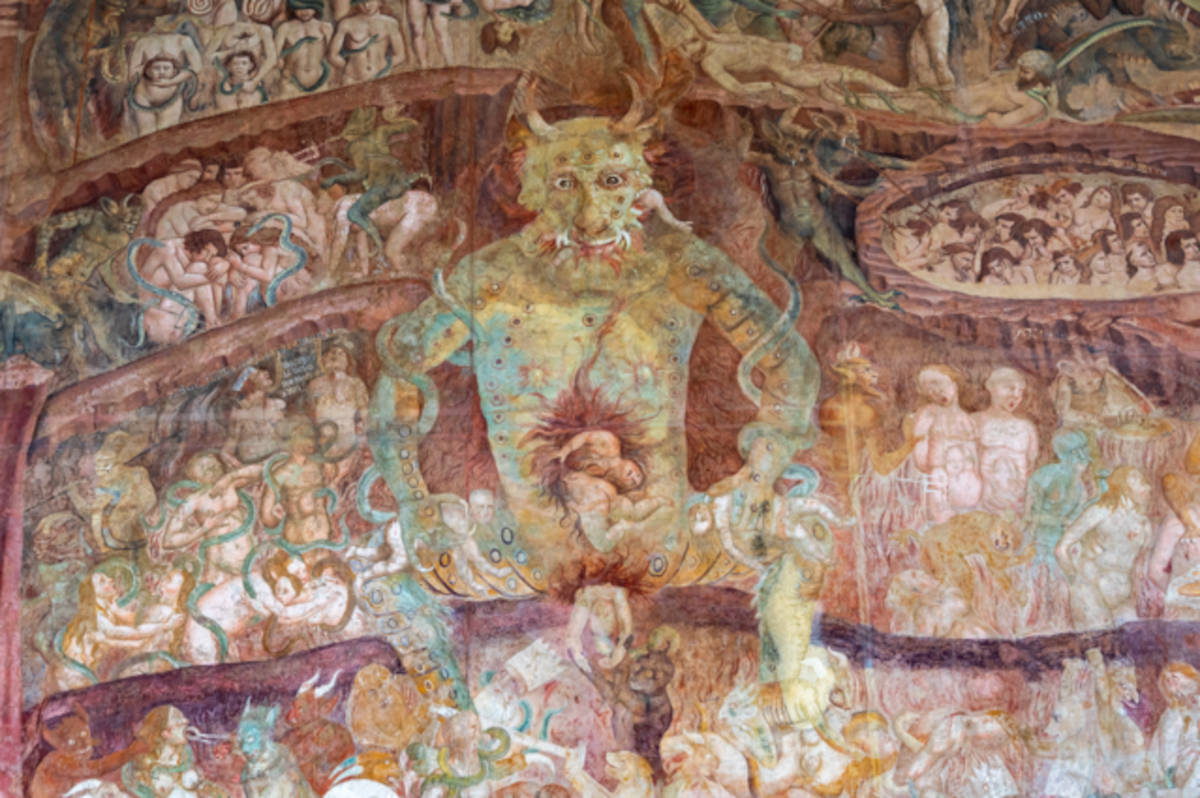
The article presents the results of a study aimed at finding a logical solution to a famous riddle from the Book of Revelation:
“Here is wisdom. He that has understanding, let him count the number of the beast. For it is the number of a man: and the number of him is six hundred sixty-six".
Revelation proposes this riddle at the conclusion of an episode in which a great, evil dragon appears in the sky and persecutes a pregnant woman, but is thrown to Earth by Michael, then two demonic beasts appear.
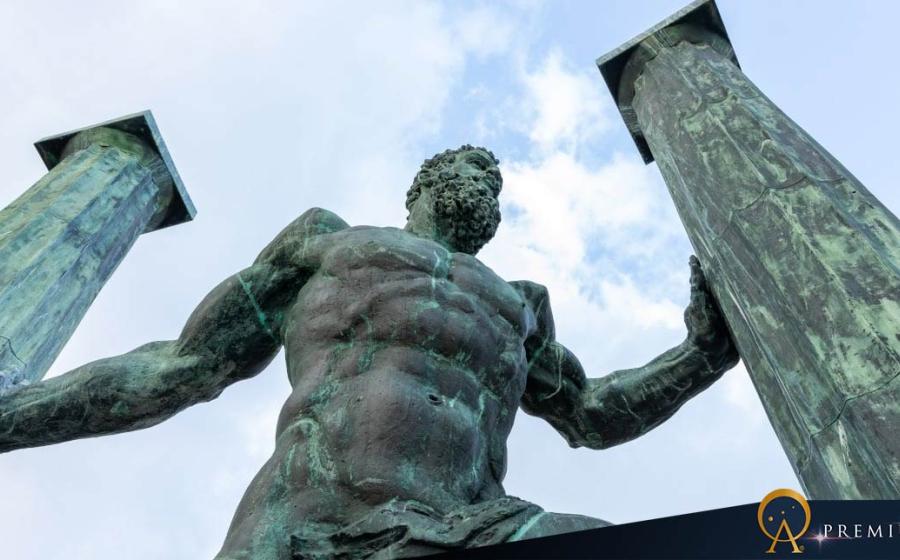
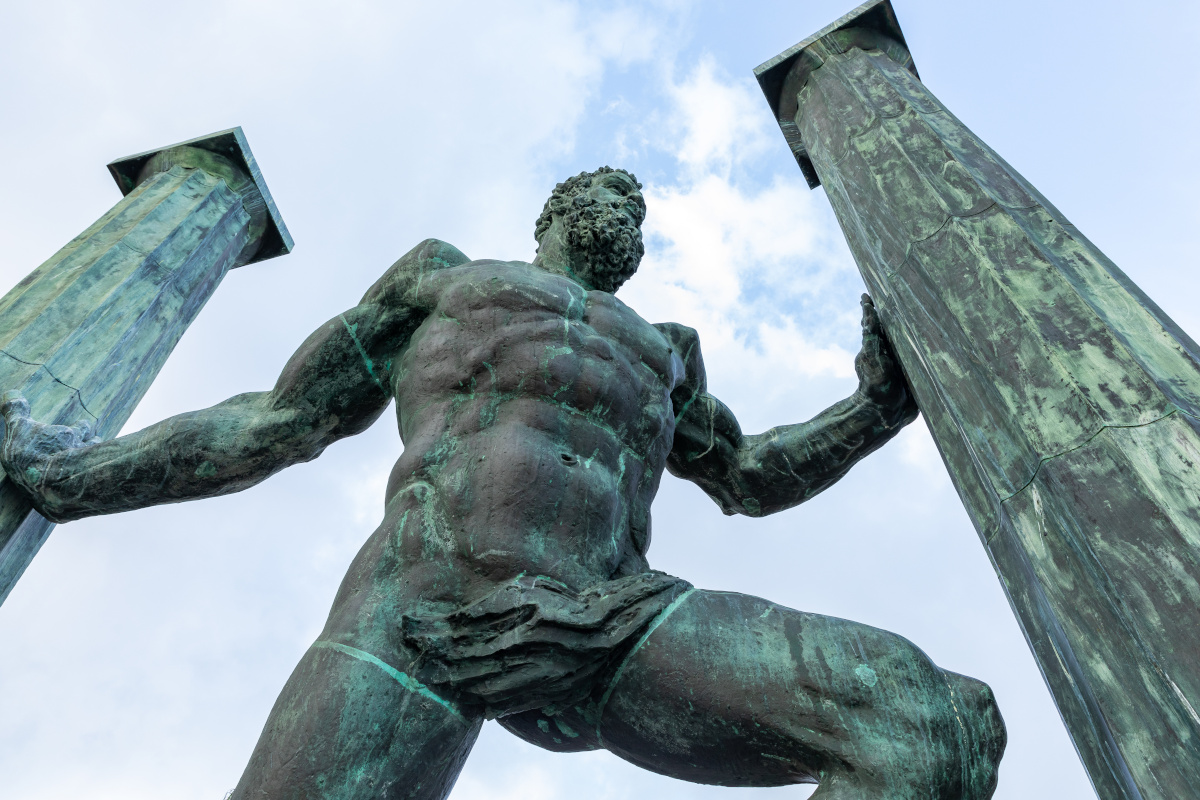
In this article, aimed at identifying the real location of the mythical Pillars of Hercules, it is first verified that in the works of Plutarch and Plato there are correct references to a continent beyond the Atlantic Ocean. Plutarch mentions a “great continent” surrounding the Atlantic Ocean and the islands that lie on that route, and then focuses on an ancient settlement of Europeans, called "continental Greeks", in the Canadian region of the Gulf of St. Lawrence, of which he indicates the latitude with astonishing precision. But already a few centuries earlier Plato, in addition to declaring himself certain of the existence of a continent beyond the Atlantic, had mentioned the islands along the route to reach it, also specifying
July
05
/ 2024
Abstract
In this article, aimed at identifying the real location of the mythical Pillars of Hercules, it is first verified that in the works of Plutarch and Plato there are correct references to a continent beyond the Atlantic Ocean. Plutarch mentions a “great continent” surrounding the Atlantic Ocean and the islands that lie on that route, and then focuses on an ancient settlement of Europeans, called "continental Greeks", in the Canadian region of the Gulf of St. Lawrence, of which he indicates the latitude with astonishing precision.
The first mention of the famous ‘Sword in the Stone’ of the Arthurian tradition is found in Robert de Boron’s Merlin, a medieval French poem, part of the 13th-century Lancelot-Grail cycle of French romances also known as the Vulgate Cycle, according to which King Uther Pendragon before his death thrusts a sword, later called Excalibur, into the stone and Merlin the sorcerer proclaims whoever pulls the sword from the stone is the true king. Young Arthur succeeded in pulling the sword from the anvil sitting atop of the stone. The narrative of young Arthur pulling the sword from the stone is a legend, but there exists what is called the ‘Excalibur of Monteseipi’. [[{"type":"media","view_mode":"media_original","fid":"115691","attributes":{"alt":"Galgano Guidotti by Giovanni d'Ambrogio (15th century)(
February
09
/ 2024
The first mention of the famous ‘Sword in the Stone’ of the Arthurian tradition is found in Robert de Boron’s Merlin, a medieval French poem, part of the 13th-century Lancelot-Grail cycle of French romances also known as the Vulgate Cycle
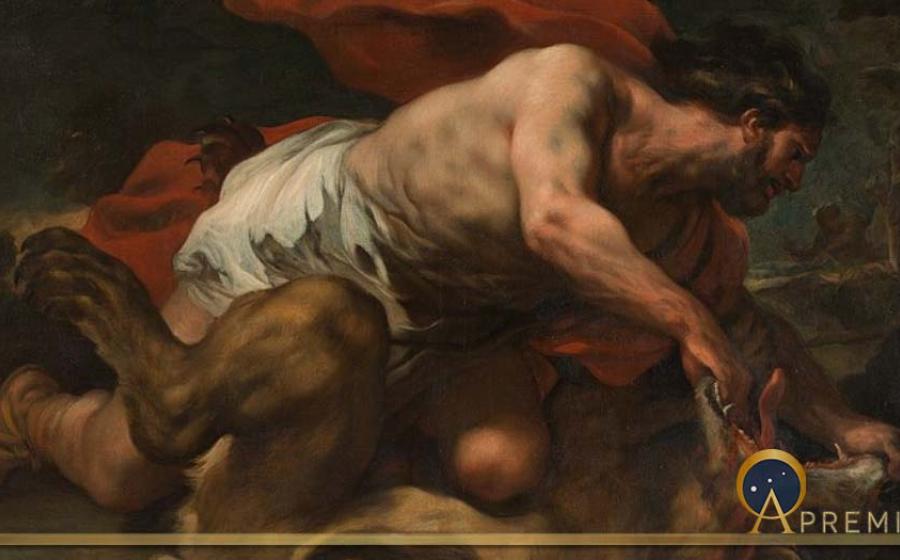
Biblical Samson challenged his wedding guests with a riddle: “ Out of the eater came something to eat, and out of the strong came something sweet”. The simple answer is Samson was referring to a swarm of bees which had made a honeycomb inside the carcass of a lion he had previously torn apart with his bare hands in Timnah. But there is a deeper metaphor to be mined, using a metallurgical key, in the light of archaeological discoveries in the Timnah Valley (southern Israel), of an Egyptian shrine associated with ancient copper mines. The riddle might refer to a smelting furnace which “eats” the mineral with the fire, producing a dull noise, similar to the roar of the lion
October
30
/ 2023
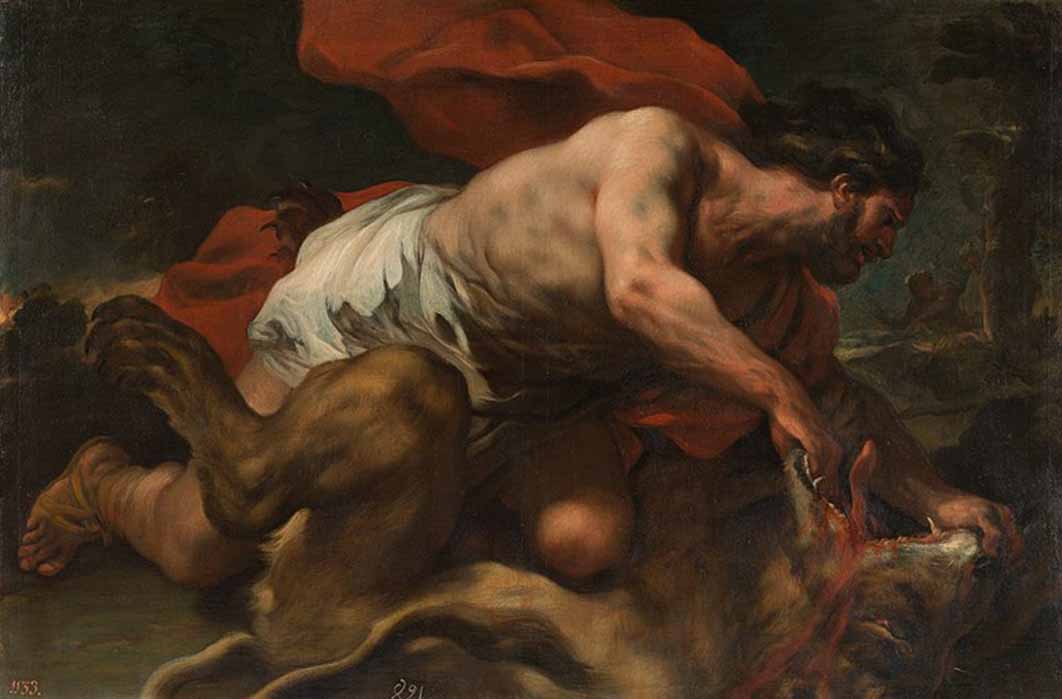
Biblical Samson challenged his wedding guests with a riddle: “Out of the eater came something to eat, and out of the strong came something sweet”. The simple answer is Samson was referring to a swarm of bees which had made a honeycomb inside the carcass of a lion he had previously torn apart with his bare hands in Timnah. But there is a deeper metaphor to be mined, using a metallurgical key, in the light of archaeological discoveries in the Timnah Valley (southern Israel), of an Egyptian shrine associated with ancient copper mines.
June
12
/ 2023

Over centuries explorers as well as ethnologists noting the myths, legends, customs and folklore of the cultures native to the Pacific Ocean islands, have accumulated enough evidence to attest to contact between the ancient Greek world and the Polynesians.

Over centuries explorers as well as ethnologists noting the myths, legends, customs and folklore of the cultures native to the Pacific Ocean islands, have accumulated enough evidence to attest to contact between the ancient Greek world and the Polynesians. Comparing the traditions of Homer, Hesiod and Pindar to the Polynesian lore points to the theoretical possibility that the mythical Elysian Fields – the final resting place of the souls of the heroic warriors and the virtuous in Greek mythology and religion - are located in the islands of Polynesia. [[{"type":"media","view_mode":"media_original","fid":"109305","attributes":{"alt":"Portrait of Omai, a South Sea Islander who travelled to England with the second expedition of Captain Cook, by Joshua Reynolds (1775) (Public Domain)","class":"media-image","height":"699","style":"width: 428px; height: 699px;","typeof":"foaf:Image","width":"428"}}]] Portrait of Omai, a