Daniel Gauss

Profile picture for user Daniel Gauss
Daniel
Gauss

Daniel Gauss is a graduate of the University of Wisconsin (BA) and Columbia University (MA). He has written about art, film and religion for numerous platforms and is currently working as a teacher in Shenzhen, China. 

Member for

5 years 10 months

View Recent Blogs

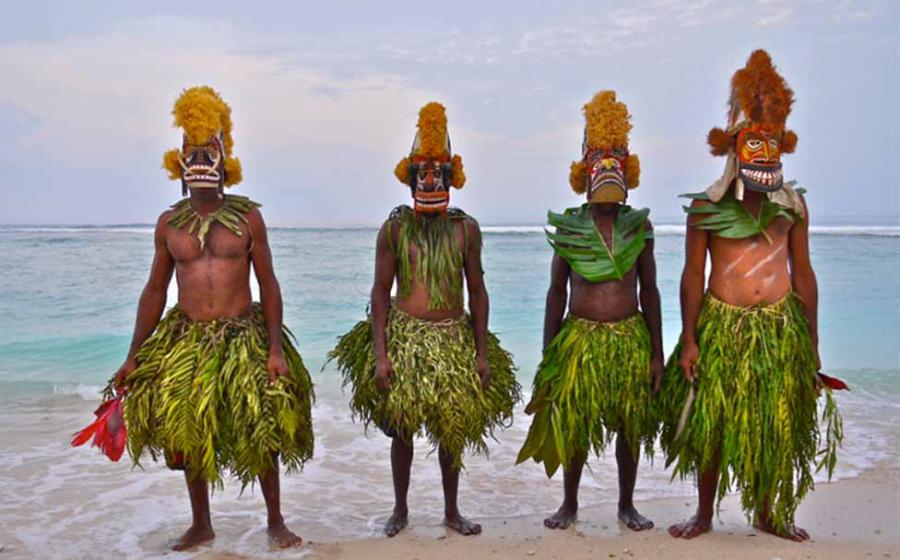
The term “malangan” has a dual meaning. It can either represent the elaborate memorial festivals held in New Ireland (Papua New Guinea) in honor of deceased members of a clan, or it can refer to the carvings and representations made for these festivals which are of a beauty and complexity unparalleled in Oceanic art. Viewers at the Met Museum in New York and the British Museum in London are regularly dazzled by large scale malangan pieces without fully understanding their real functions or connections to the social life and belief system of the people of this part of Papua New Guinea. The people of New Ireland held these ceremonies to honor their dead and ensure that the spirits of the
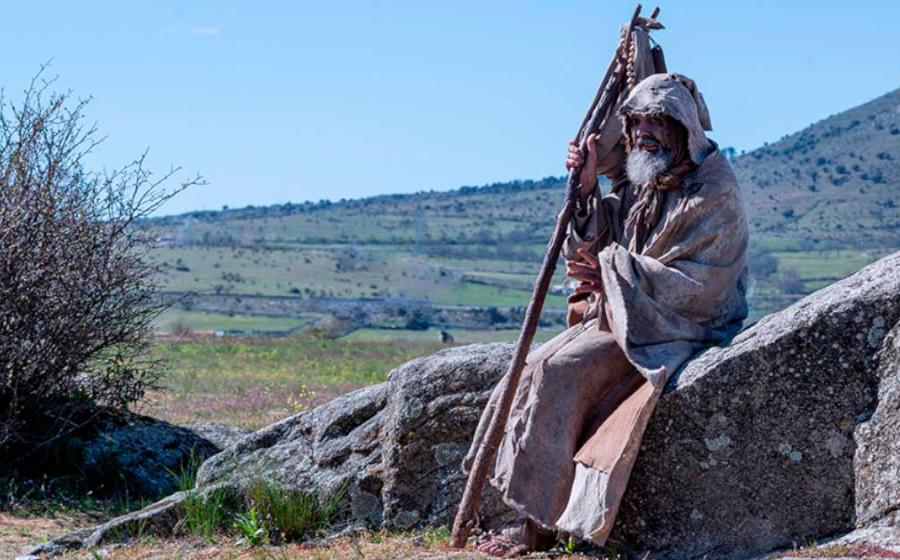
If you thought the Greek gods had a monopoly on selfishness, rape, deception and other shady derring-do, you were wrong. Take, for instance, the Inca god Coniraya (also Cuniraya), who might have fit in quite well on Mount Olympus. Looking at a god like Coniraya we see a possible allegory, a possible morality tale and much which is problematic about the actions folks often tolerated from their deities just because they did not die and had some type of superpower. Often these factors were enough for folks to look the other way when gods felt the urge to be a little (or a lot) naughty. We see a tragic figure in Coniraya, whose lack of self-awareness also brought great harm
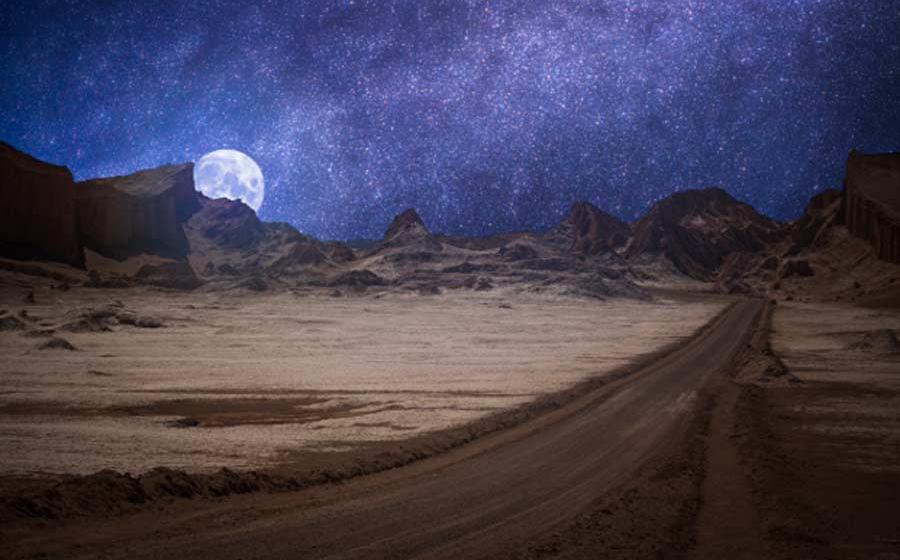
Si is an androgenous moon god chosen as the leader of the major South American Chimú and Moche culture pantheon, bucking the trend in world mythology where the moon god is both feminine and inferior to a sun god. The Chimú / Moche cultures placed their Moon god above the Sun god but the Inca that followed them did not. In 1975 French philosopher Hélène Cixous wrote the book Sorties, concerning our proclivity to employ oppositions to help us better understand the world and ourselves. One insight she had was that opposing pairs of terms often imply a power relationship between those terms. Indeed, the oppositions are often in an active vs. passive or masculine v feminine hierarchy of dominance
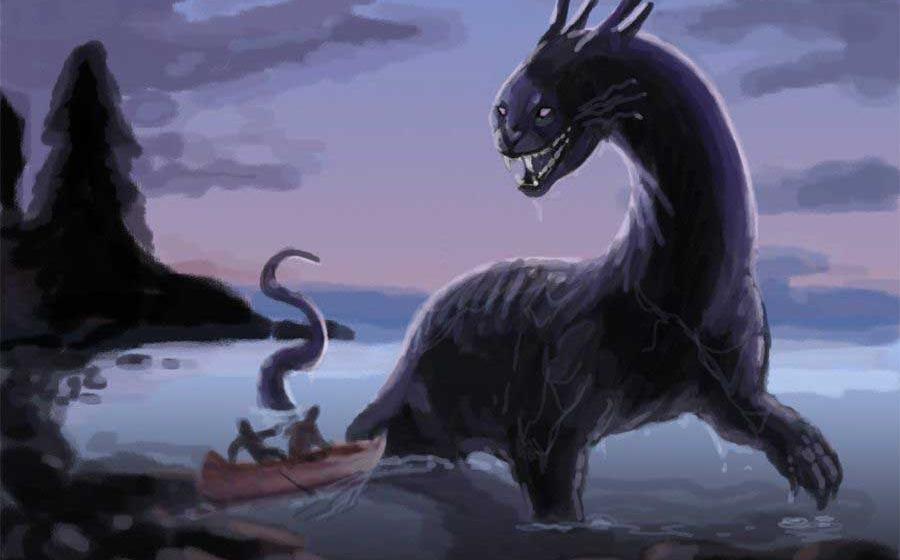
In Gordon Lightfoot’s 1976 song The Wreck of the Edmund Fitzgerald, he figuratively blames the sinking of that ship on the “witch” of November. Folks more familiar with Ojibway mythology might, however, have pointed to Mishipizheu, one of the most important of the underground mythological creatures of the Northeastern and Midwestern North American tribes. [[{"type":"media","view_mode":"media_large","fid":"88326","attributes":{"alt":"","class":"media-image","height":"405","typeof":"foaf:Image","width":"610"}}]] This pictograph of the Great Lynx known as Mishipizheu was created by Ojibway spiritual leaders at Agawa Rock in Lake Superior Provincial Park in Ontario, Canada. ( Chris Hill / Adobe Stock) Was Mishipizheu a God or a Monster? The “Great-Lynx” Mishipizheu blurs the line between god and monster and thus sheds light on what it takes to be one or the other. The Ojibway

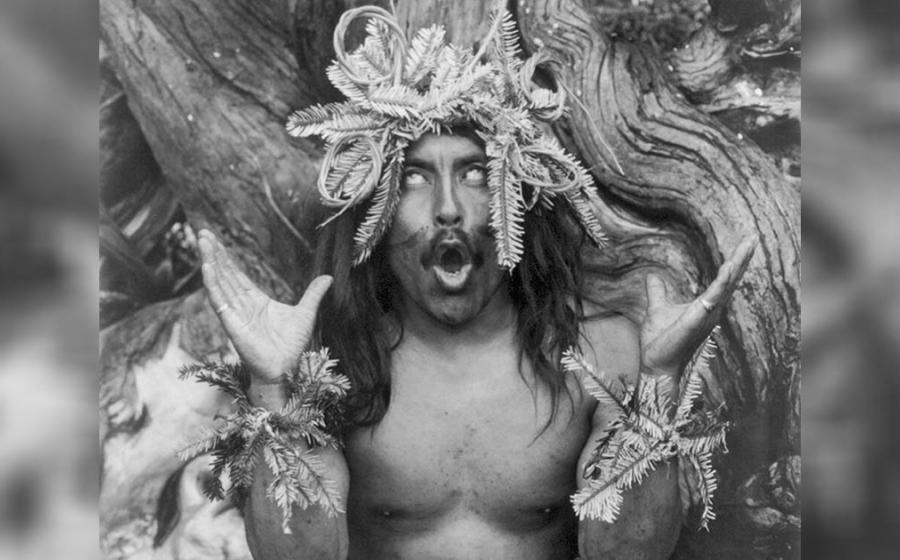
“Magic preceded art, art served magic, and art was then liberated from magic.” This was among a number of sometimes controversial assertions made by Scottish anthropologist James Frazer in his 19 th century book The Golden Bough: A Study in Comparative Religion. Magical rituals were the source of what would become secular art. Here we shall analyze this assertion in the context of the Hamatsa dance of the Kwakiutl people of Canada. Ritual Stripped of its Magical Value: Looking at the Hamatsa Dance English folklorist Jessie Weston, in fact, tried to show magical rituals could be the source of secular art in the case of the grail story in her book From Ritual to Romance, an early 20 th century
Do our myths come from the stars or do we project our myths onto the stars? The story of Mithras truly does come from astronomical discoveries in the ancient world. It was noticed that every 2,160 years the night sky changes with the constellations seemingly moving backward one notch (the precession of the equinoxes). Mithras thus became the god who altered the night sky in this manner. Indeed, an iconography and narrative involving him killing a bull (among other things) and representing the sun (Sol Invictus) was developed to the point where Mithraism challenged Christianity during the first few centuries AD. Yet, when the Egyptians saw the star Sirius rise, heralding the flooding of the Nile, they took an already