Alex White

Profile picture for user Alex White
Alex
White

Alex White is freelance writer and award winning journalist focused on British and American History. He holds a B.A. in English with a minor focus in History from Kutztown University of Pennsylvania. He studied journalism at Buckinghamshire University in Amersham, England. His work has been published in the Journal of Lancaster County’s Historical Society, Journal of the American Revolution, The Bucks County Courier Times, The Intelligencer, Business Analyst Times (BAtimes.com), Autism Parenting Magazine, and Askmen.com. He has been the recipient of an Associated Press Award for Public Safety Coverage and a Society of Professional Journalists award.

Member for

4 years 11 months

View Recent Blogs

The year was 1453 and Henry VI, King of England, was having what could be reasonably called an annus horribilis. His sanity was unsteady and his leadership and decision-making capabilities were even worse. In addition, with the English loss in the Battle of Castillon against the French, the king had effectively lost the conflict later known to history as the Hundred Years’ War. With a bellicose English aristocracy to placate, this was a precarious turn of fate for the king indeed. The shock of this loss was so great that, upon the arrival of the news, the king became catatonic for about a year and a half. These factors, and others, including self-serving royal advisors, destabilized England in the mid-15th
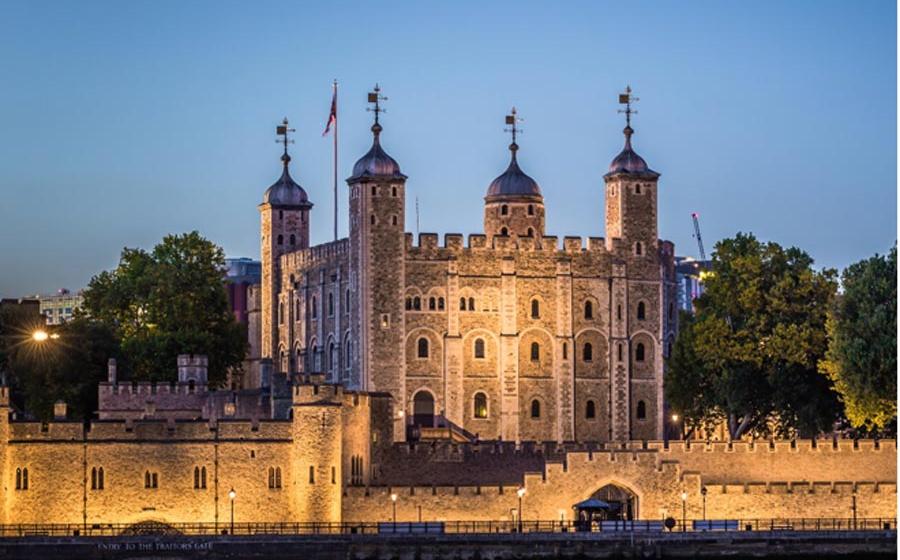
We’ve all heard the tale of the Princes in the Tower, the young sons of Edward IV who disappeared under mysterious circumstances in the Tower of London in 1483, presumed murdered, only to be conveniently replaced on the throne by their uncle the Duke of Gloucester, later King Richard III. It is widely presumed Richard ordered their deaths in July 1483 after a daring plot to rescue them failed. What is lesser known or emphasized is that there was another young blood prince in England who outranked Richard in the royal succession, and who was inexplicably allowed to live. He was even knighted upon Richard III’s ascension to the throne. This boy, Edward Plantagenet, 17th Earl of Warwick, was the