Ahmed Osman

Profile picture for user Ahmed Osman
Ahmed Osman

Ahmed Osman is an Egyptian-born author who has been trying to find the link between the stories of the Bible and ancient Egyptian history. Born in Cairo in 1934, he studied law in the university before working as a journalist.

He moved to London in 1965, where he joined the Egypt Exploration Society, and studied the history and language of ancient Egypt. He also taught himself biblical Hebrew, and researched the history of both the Bible and the Kuran, before trying to look for origin of the biblical stories in Egyptian sources.

View Ahmed's full profile here.

Member for

12 years

View Recent Blogs

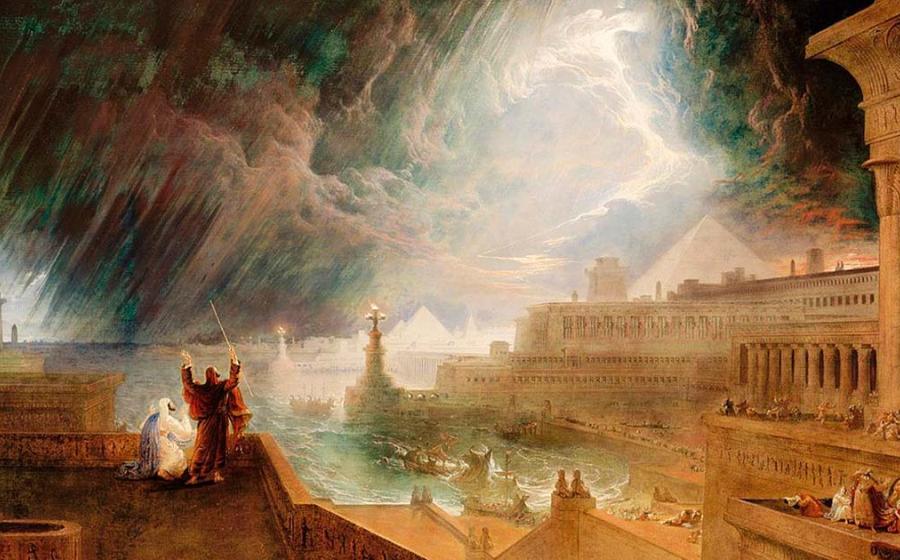
The biblical story of the Israelites’ Descent and Great Exodus speaks about important events that took place in Egypt. We should, therefore, expect to find records of these events in Egyptian sources. These events include the seven years of famine predicted by Joseph, the arrival of his father Jacob with his Hebrew family from Canaan, the great plagues of Moses, the death of Egypt’s firstborn, including the Pharaoh’s first son, and the drowning of the Pharaoh himself in the Red Sea. All of these significant events related to the Great Exodus should have been meticulously recorded by the scribes who maintained detailed records of daily life. However, it is noteworthy that no contemporary inscriptions from the relevant period can be
Who was the king who appointed Joseph, of the legendary coat of many colors, as his minister? And during which period of Egyptian history did he live? Since the start of archaeological digging in Egypt more than a hundred and fifty years ago, scholars have been trying to answer these questions. These were questions to which I devoted twenty-five years of my own adult life. Patriarch Joseph is said in the Bible and the Quran, to have been sold as a slave into Egypt. It was his own brothers who handed him over to a trade caravan, as they became jealous when Jacob, their father, gave him a coat with many colors. An Egyptian official bought the young Hebrew boy
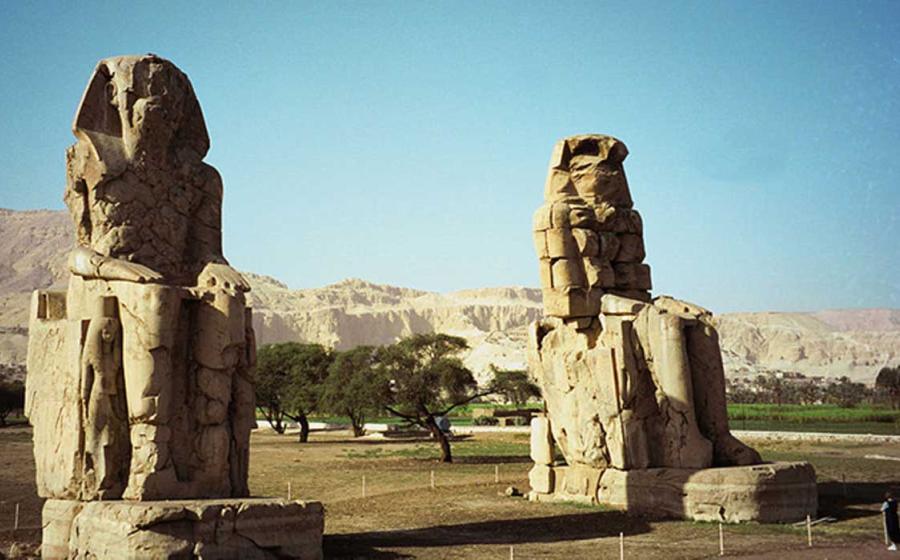
The most important statues in Egypt, after the Giza Sphinx, are the two Colossi of Memnon in Western Luxor. The two gigantic statues, about 3500 years old, are also known as the musical statues. These massive twins of stone belonged to Pharaoh Amenhotep III, who is known as being King Solomon of Egypt, with a peaceful empire and many wives. The king ordered the statues to be erected in front of his memorial temple on the west bank of the Nile, opposite Luxor, ancient Thebes in Upper Egypt, to represent the two natures of Man in ancient Egyptian belief; physical and spiritual. They depict Amenhotep III in a seated position, his hands resting on his knees and his gaze facing
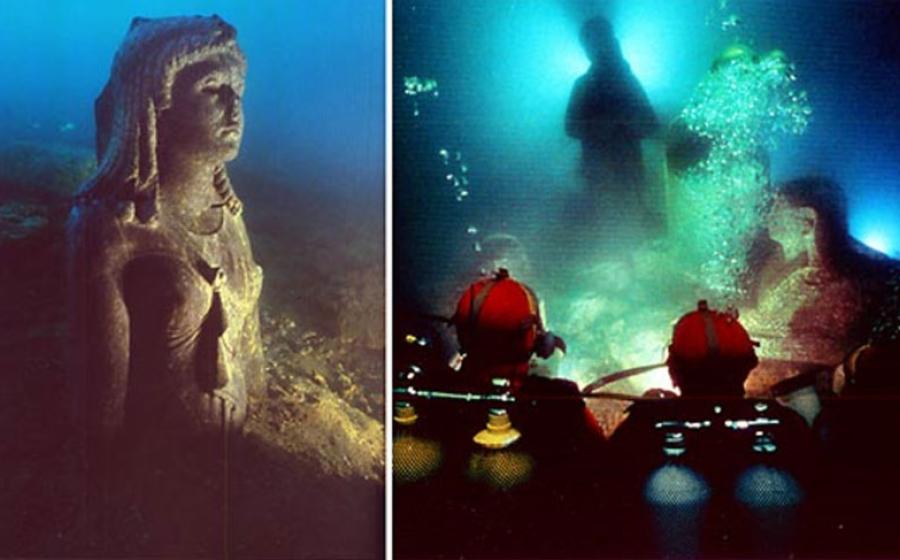
Alexandria, located on the Mediterranean coast in Egypt, has seen many changes in its 2,300 year history. Founded by Alexander the Great in 331 B.C., at its height it rivalled Rome in its wealth and size, and was the seat for the Ptolemaic dynasty. However, through history not all agreed on the how to regard the Hellenistic city with a royal Egyptian past. An underwater temple discovered by marine divers off the eastern coast shed light on the pharaonic nature of ancient Alexandria. Ptolemaic Alexandria has been regarded, in academic circles, not as part of Egypt, but as a separate Greek polis, or city-state, by the borders of Egypt. Peter Green, Professor of Classics at the University of Texas, Austin
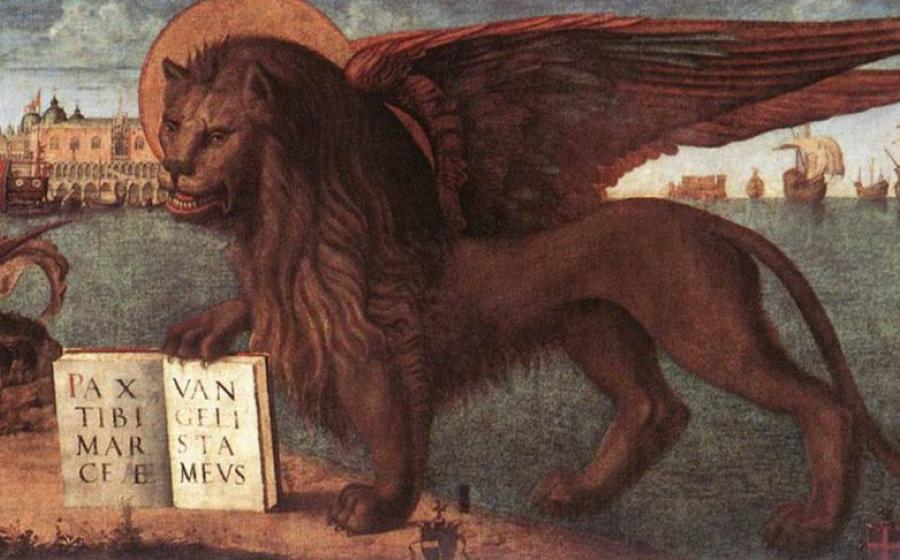
The Coptic Church of Egypt is the earliest Christian church in the world, going back to around 42 AD. According to Bishop Eusebius of Caesarea, as well as Coptic traditions, Saint Mark the evangelist, who wrote the earliest of the four New Testament gospels, was the founder and first bishop of the Church of Alexandria, even before the Church of Rome was established. In his landmark History of the Church, written in Greek about the year 310, Eusebius writes: "Now, they say that this Mark was the first to have set out to Egypt to preach the gospel, which he had already written down, and the first to have organized churches in Alexandria itself "(Eusebius, HE 2.16.1). This information is