
October
30
/ 2016
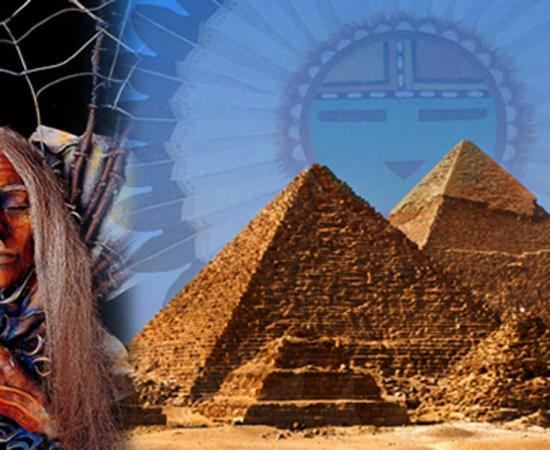
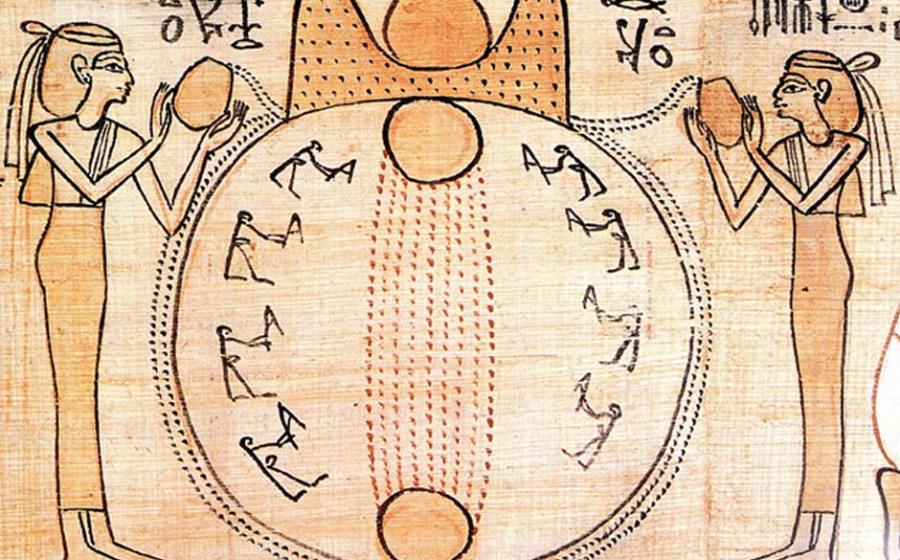
There has to be something missing in our explanation of the murals of Egypt. Why are there so many symbols— snakes, birds with human heads, feathers, buzzards, life symbols, monkeys, scarabs, balances, a young man, two twins, and masked individuals— that only a select few can understand? [[{"type":"media","view_mode":"media_large","fid":"28478","attributes":{"alt":"","class":"media-image","height":"516","typeof":"foaf:Image","width":"610"}}]] Whoever created the murals must have been trying to communicate with all of us in a simple fashion or a universal language, something that we could all understand. So, where’s the missing link? The Missing Links The Hopi Creation Story talks about many of the items displayed in the murals: The snake could represent our boundaries, wobble, and path. A snake at a right angle would then represent the end of a