
May
04
/ 2026
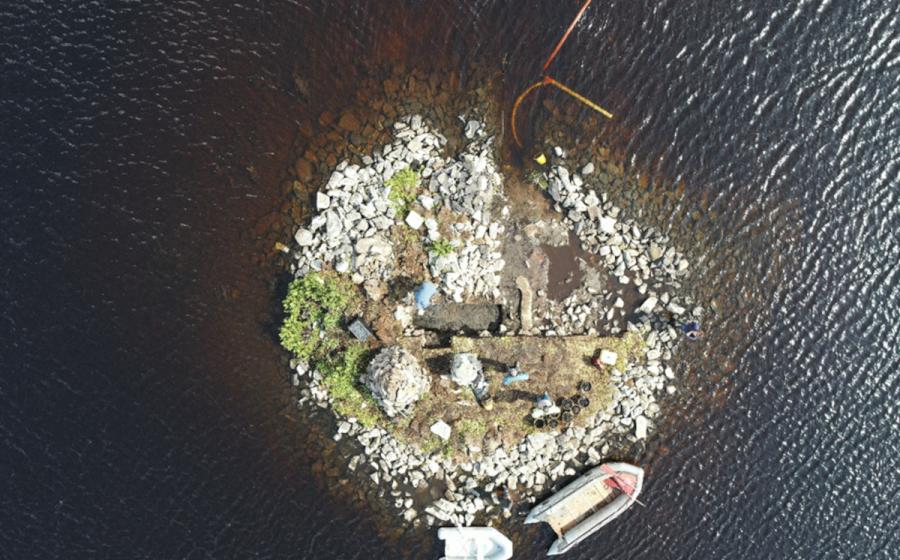
In the dark waters of a remote Scottish loch, archaeologists have made a discovery that reshapes our understanding of prehistoric engineering. Using innovative shallow-water photogrammetry, researchers from the University of Southampton and the University of Reading have confirmed that the Loch Bhorgastail crannog - long believed to be a simple stone mound - was actually built upon a massive, sophisticated timber platform dating back over 5,000 years. This remarkable find reveals that these artificial islands in the Outer Hebrides are significantly older than Stonehenge, pushing the timeline of complex construction in the region back to the Neolithic period. The revelation that timber, rather than stone, was the primary load-bearing element of these structures highlights the advanced capabilities of the communities