
August
13
/ 2020
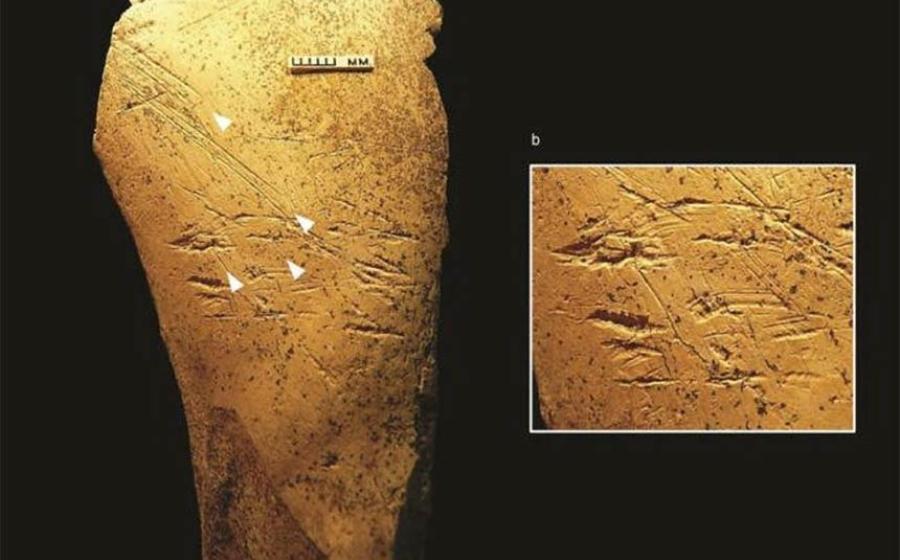
Every doctor, physician and nutritionist who has ever donned a white coat would agree that, to a great extent, we humans really are what we eat. But over recent years, with advances in scanning technologies, archaeologists and anthropologists have begun to harness this undeniable fact, under the right circumstances, by using the dietary data contained in ancient bones as if it were a history book. One archaeological site that offers these “right circumstances” is the Lower Palaeolithic Eartham Pit Boxgrove site in West Sussex. First excavated in the 1980s and 1990s, the site was found to hold fossilized bones from Homo heidelbergensis, a possible ancestor for modern humans and Neanderthals. Homo heidelbergensis inhabited a partly-terraformed world about 500,000 years ago