
"Those who cannot remember the past are condemned to repeat it."
— George Santayana
This astute observation from philosopher George Santayana encapsulates the significance of learning from history as a necessary societal imperative. Historically, history has been a treasure trove of human successes and failures and lessons learned from them; a window into how the prose and contours of the present and future can be navigated. This greatest of assets though is often undermined by ignorance or conscious manipulation as societies reenact disastrous failures. In this piece I attempt to discuss the absolute need to learn from history, the common problem of historical revisionism and our duty to preserve historical truth in order to create a more empathetic world, to avoid mistakes and bring about a more humane world.
The Vital Role of Historical Knowledge
History is not simply a list of dates and events. History is a chart of human experience from which we can learn how our world began and what may lie ahead. Through the study of what has happened in the past, we can find causes and patterns that have led to important consequences in history, such as wars and revolutions, booms and busts in the economy. As an example, reading about the diplomatic failures and economic strain that led up to World War II can teach us ways to avoid such conflicts today. Reading about the causes of the Great Depression can teach policymakers how to create stable economic systems.
Apart from pragmatic purposes, history contextualizes societal arrangements, cultural mores, and political philosophies. It explains issues such as: Why do disparities remain? How did democracy develop? Such a context nurtures a richer understanding of our globalized world and the drivers of change. But when history is lost or manipulated, societies also shed this sense of purpose and end up repeating the same mistakes with catastrophic results. The repetition of ethnic wars, economic failure, and authoritarianism in different corners of the globe highlights the price of forgetting.
The question remains, do we learn as much as we ought?
Historical Revisionism: A Tool of Power
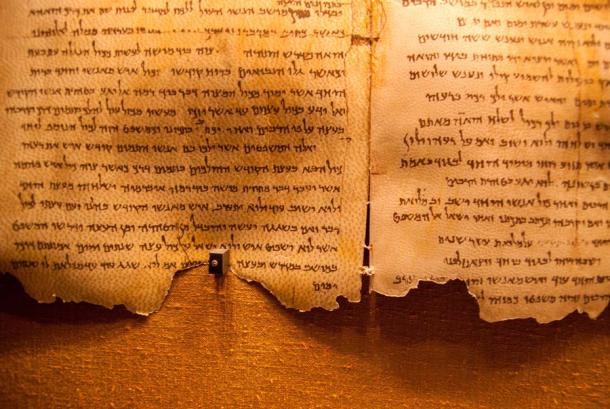
Dead Sea Scrolls on display at the caves of Qumran (Adobe Stock / By vadiml)
Historic revisionism, or the re-interpretation of history, is a double-edged sword. As a valid process, it is a pillar of historiography since it enables scholars to develop a clearer picture of the past from new evidence or viewpoints. For example, the discovery of the Dead Sea Scrolls transformed our understanding of ancient Mediterranean cultures. These revisions add to the accuracy and richness of historical narratives.

Like this Preview and want to read on? You can! JOIN US THERE ( with easy, instant access ) and see what you’re missing!! All Premium articles are available in full, with immediate access.
For the price of a cup of coffee, you get this and all the other great benefits at Ancient Origins Premium. And - each time you support AO Premium, you support independent thought and writing.
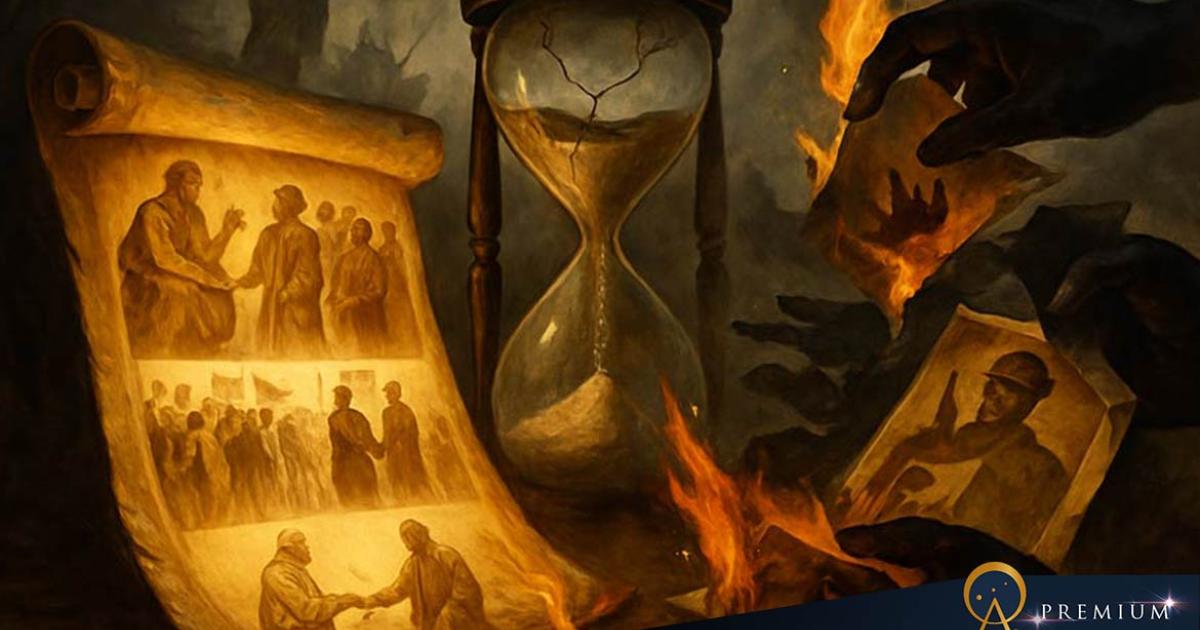
Top Image: A symbolic image depicting the preservation and distortion of history (Leonardo)
By Dr Ioannis Syrigos