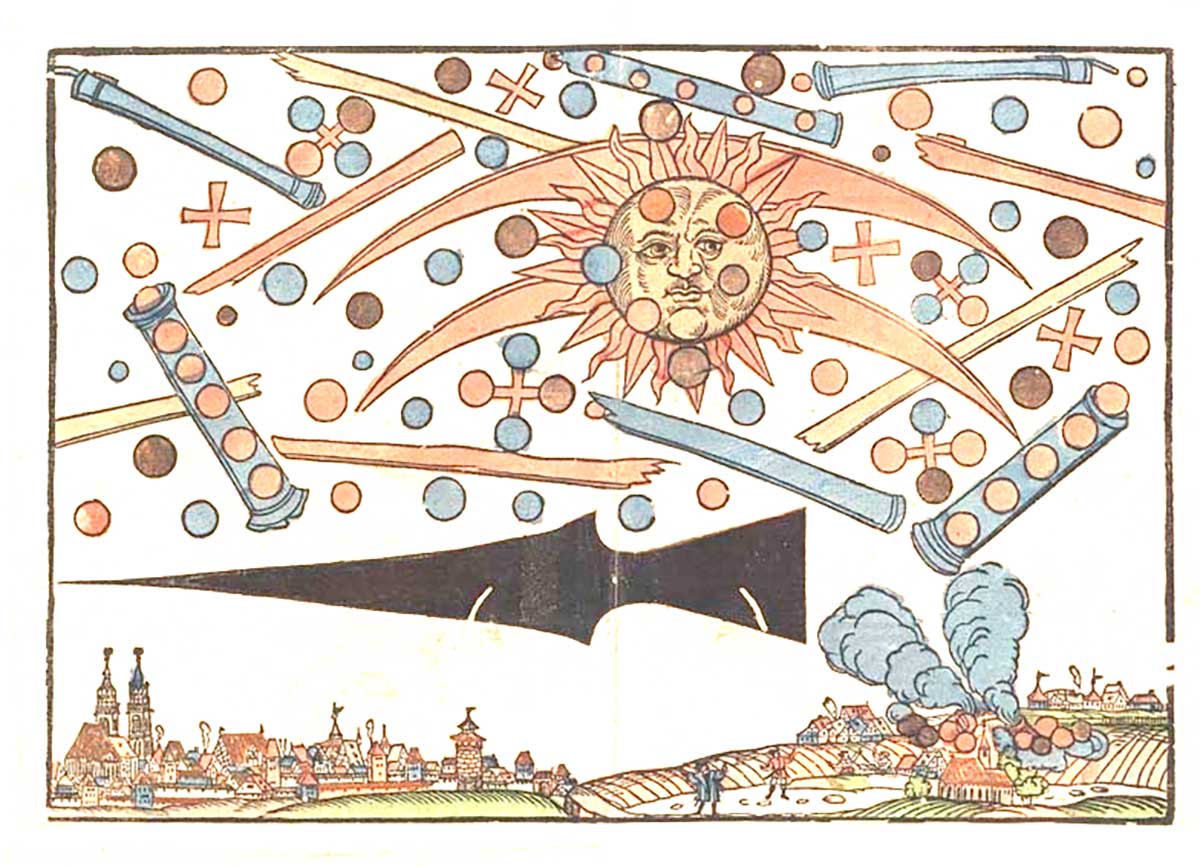
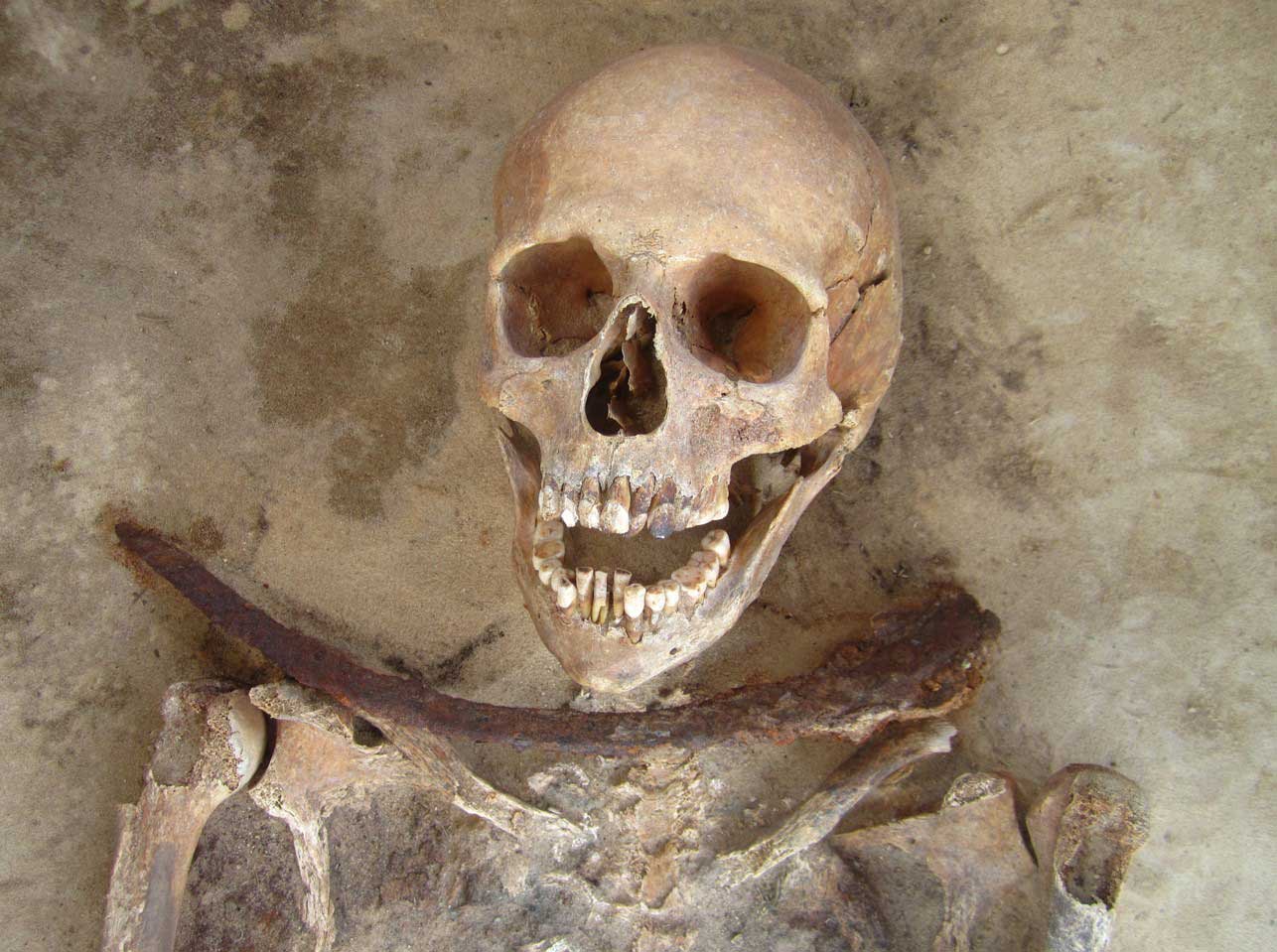
Archaeologists working on a rural cemetery in Poland in 2012 discovered Grave 49 with no stake driven into its heart or a pile of bones, nor was there anything indicating that it was the grave of a vampire; instead, it contained an unsettling piece of evidence - a curved iron sickle placed across the neck of a female deceased.

Premium Articles
Ancient Origins Premium bring you the latest discoveries, theories, and insights from the world of history, archaeology, mythology, and ancient mysteries. Written by leading experts and researchers, these articles go beyond the surface to explore humanity’s past in depth, connecting ancient wisdom with modern understanding. Dive into a constantly growing collection of well-researched, thought-provoking content available exclusively to our members.
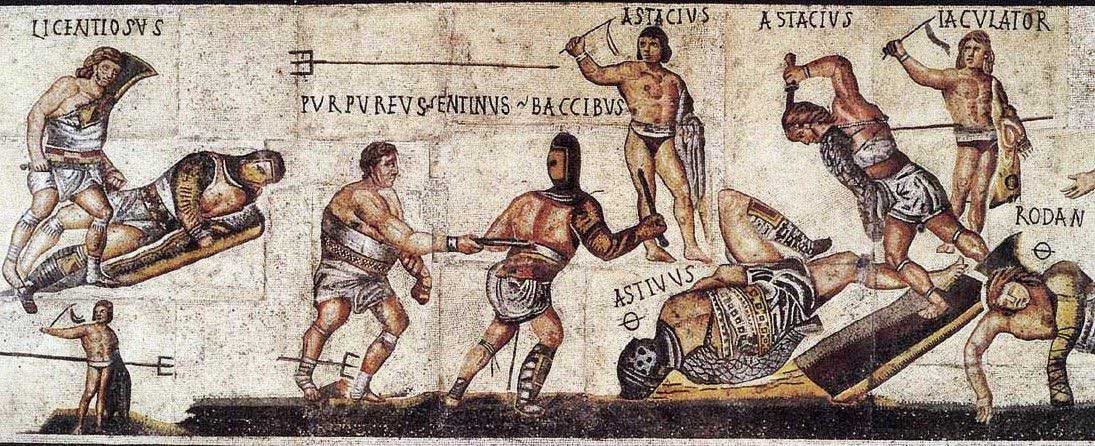
In Ancient Rome, those with the disease we know as epilepsy could be taken to the arena and provided with a cure that would cause even today's readers to stop and think twice before trying it. According to accounts given by Romans of that time, many of these individuals drank the warm blood of fallen gladiators. The Romans believed that when someone was killed violently, that act created a powerful force to eliminate physical illness or disease.
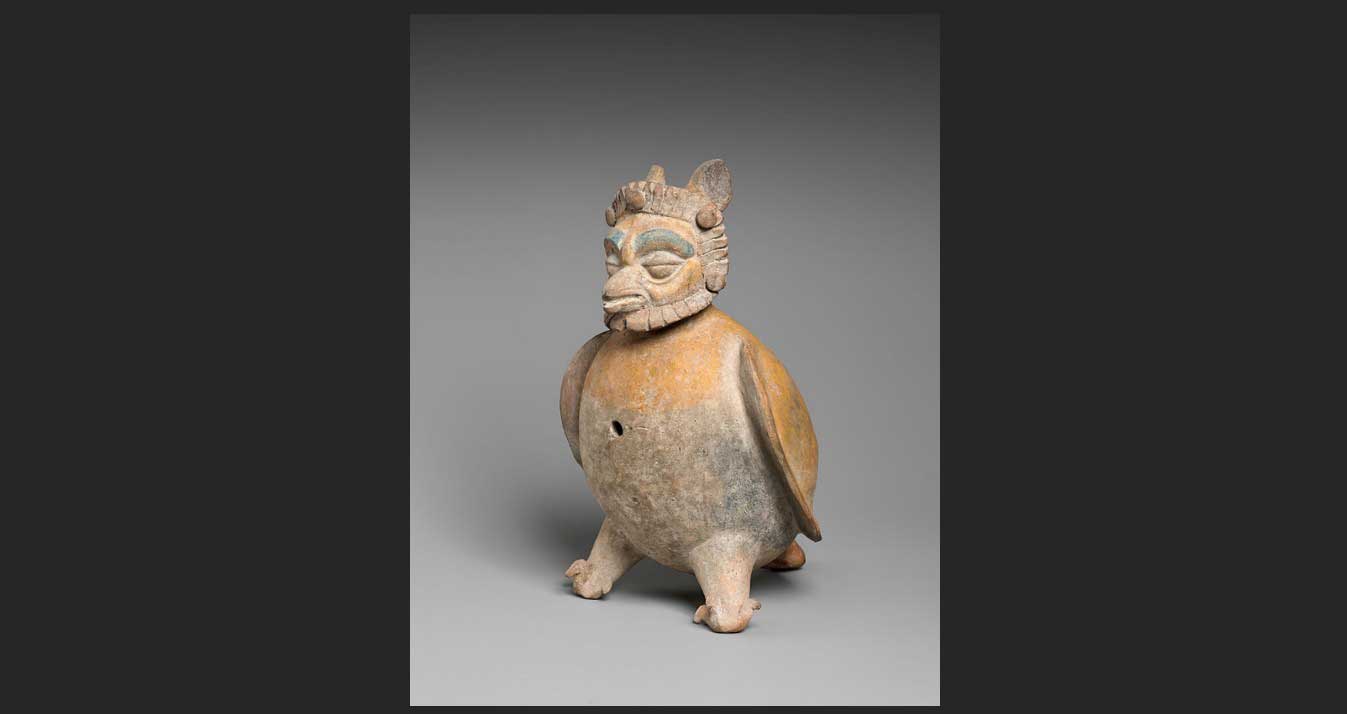
A small clay object is placed to the lips, then air enters a narrow channel, collides inside a hidden chamber, and comes out as something far less musical than anyone would expect. Depending on how it is blown, an Aztec skull whistle can hiss, shriek, rasp, or produce a sound is similar to a human scream.
Although the North Sea looks permanent if you look at it on a map, it really seems as if it has always held Britain apart from continental Europe. Yet not long ago in geological terms, much of that water covered a living landscape with rivers, wetlands that fed birds and fish, red deer, wild boar, bear, and people who moved across a land that later generations would never know existed.
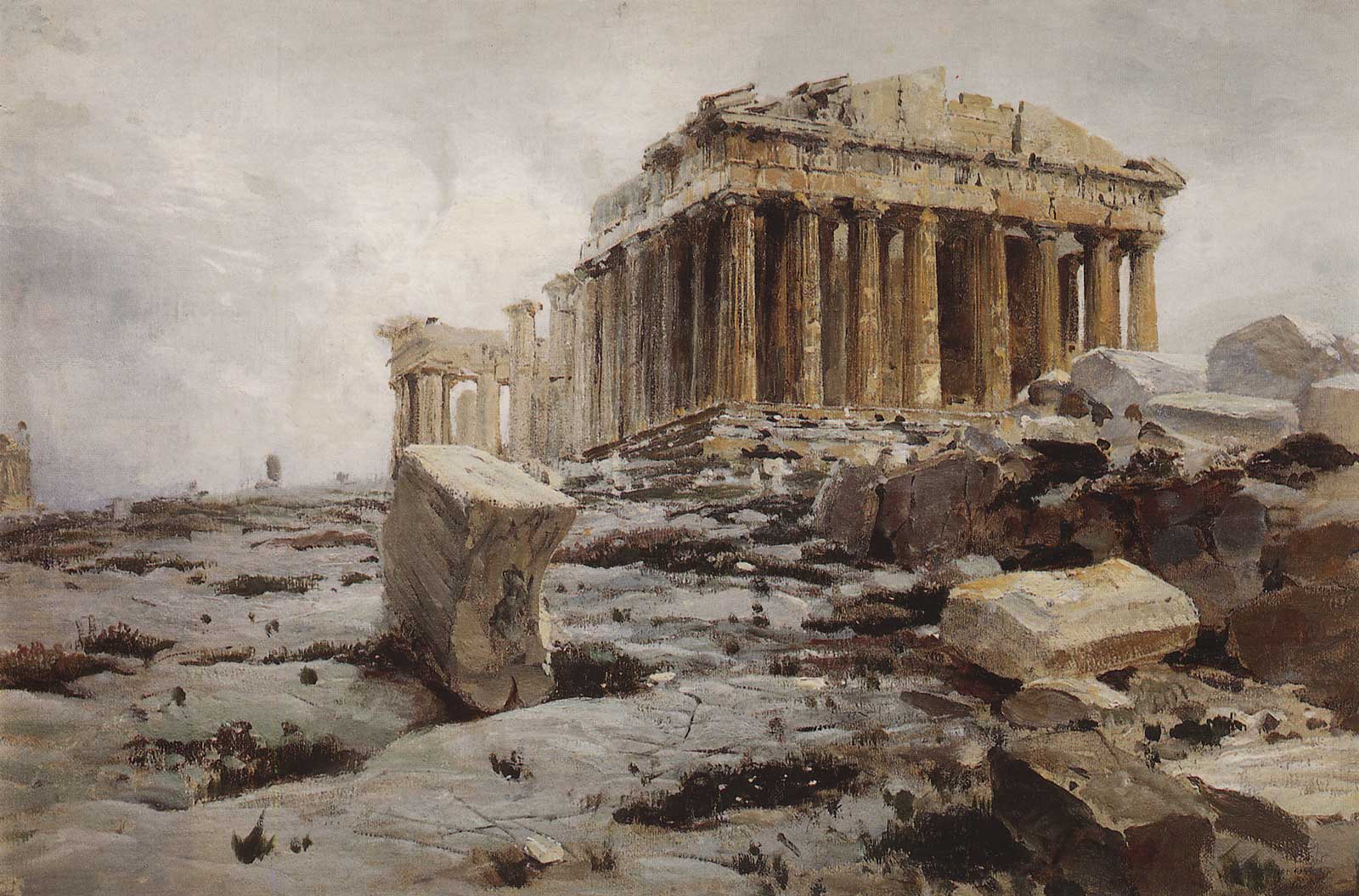
Twas thus She spoke, ”that blush of shame proclaims thee Briton, once a noble name; First of the mighty, foremost of the free, Now honoured less by all, and least by me…lo! Here, despite of wear and wasting fire, I saw successive Tyrannies expire; ‘Scaped from the ravage of the Turk and Goth, thy country sends a spoiler worse than both. Survey this vacant, violated fane; recount the relics torn and yet remain…some retribution still might Pallas (Athena) claim, when Venus half avenged Minerva’s (Roman Athena) shame.”
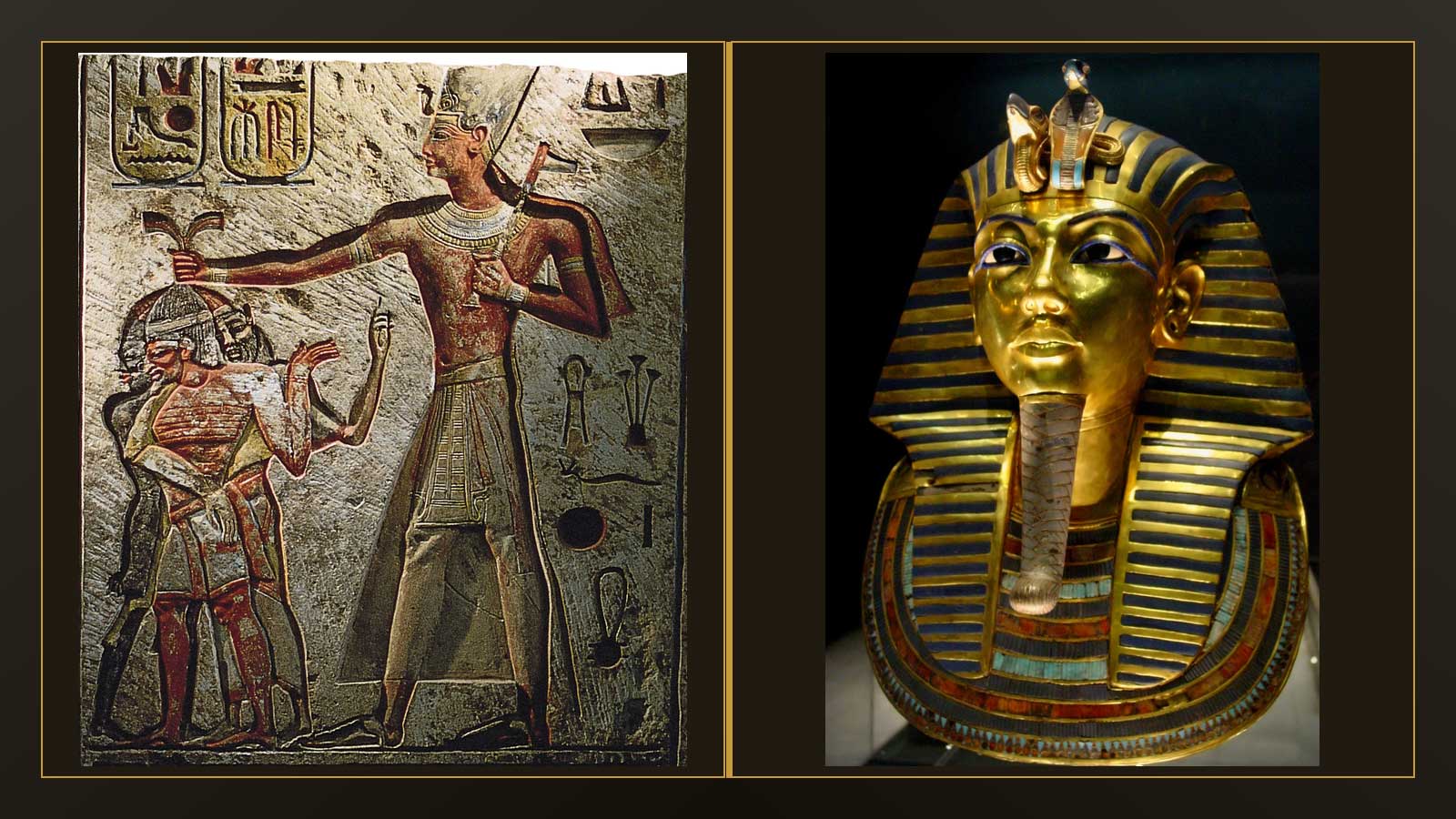
Ramesses II had everything that should have made him the face of ancient Egypt: a 66-year reign, colossal monuments, famous battle scenes, and a legacy so imposing that later pharaohs adopted his name. Tutankhamun, by contrast, ruled for only about a decade and died young. Yet it is the boy king’s gold mask—not the giant statues of Ramses the Great—that has become one of the most recognisable images on Earth. Why?
(Estimated Reading time: 6 minutes)
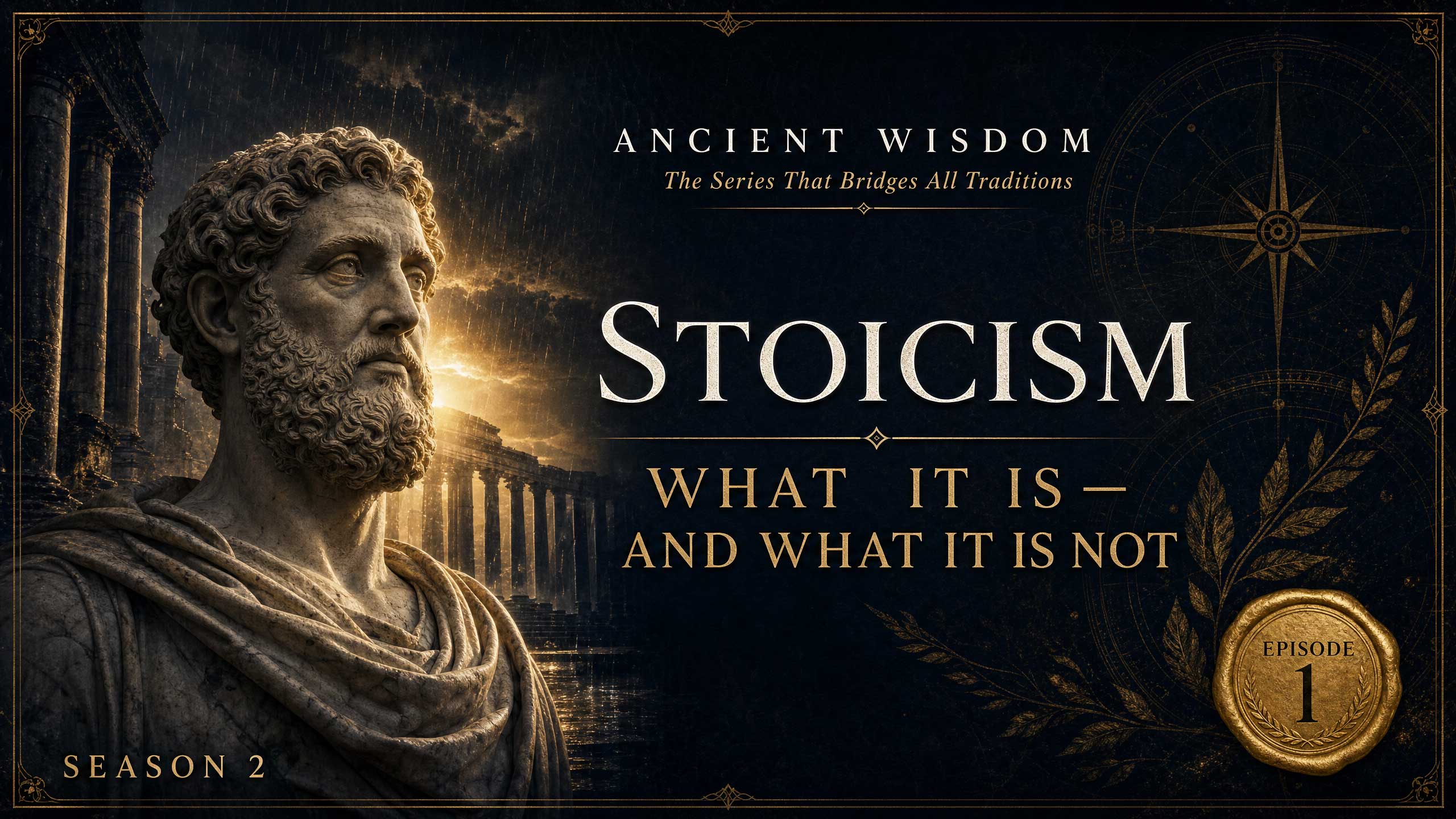
Stoicism has become quite an influential and popular form of moral philosophy in our society today. Modern Stoics have found platforms such as Substack to be conducive for developing Stoic ideals and continuing to share their philosophical ideas with others.
But, yes there is a but, as popularised today, Stoicism is commonly expressed in the way of showing no feelings, not wanting anything, and enduring whatever will happen and calling it strength.