
September
11
/ 2026

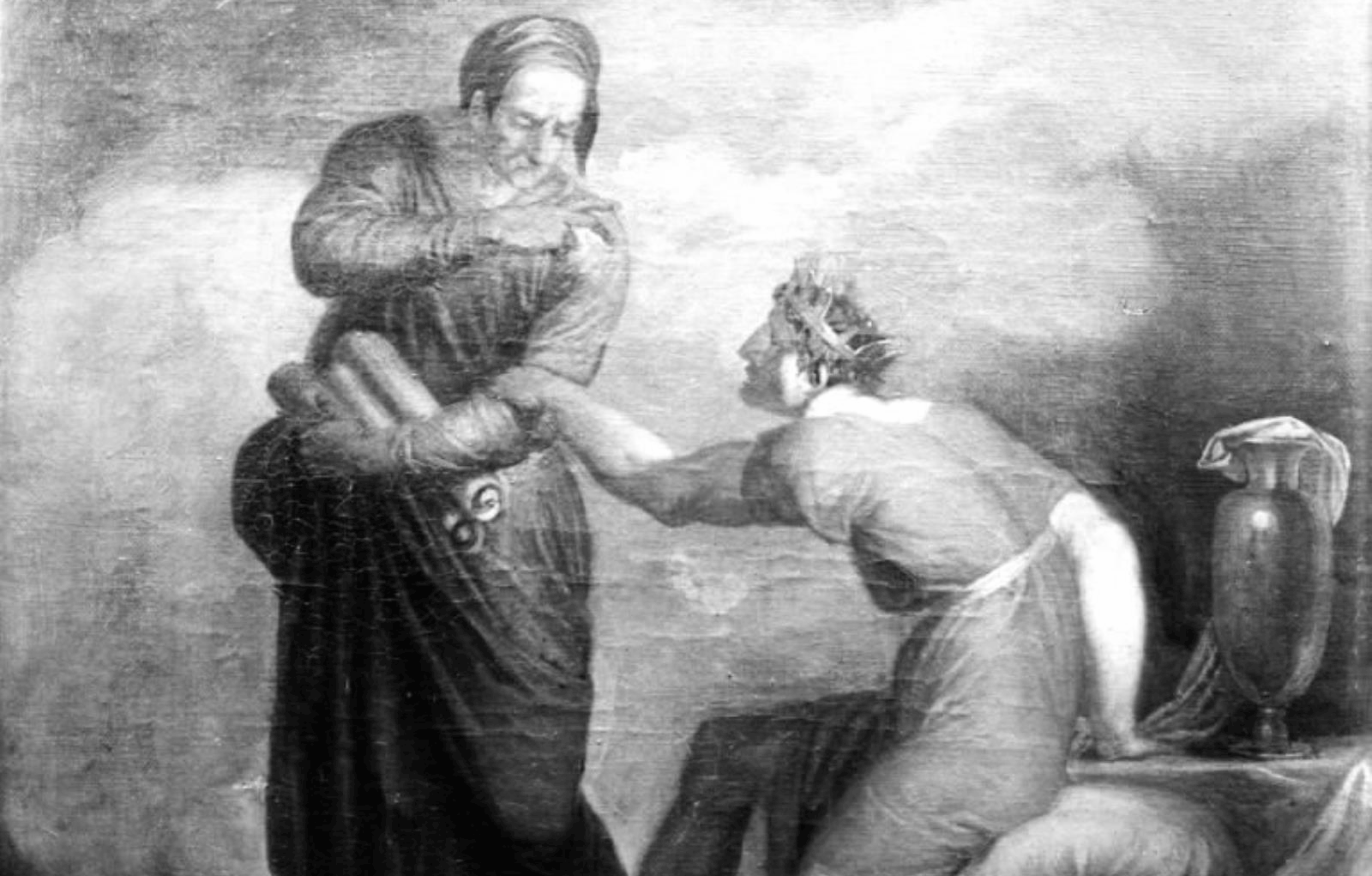
Rome did not keep its most important prophecies for curious citizens. Instead, it locked them inside a temple and allowed them to be opened only when the state was afraid.


Ancient Origins Premium bring you the latest discoveries, theories, and insights from the world of history, archaeology, mythology, and ancient mysteries. Written by leading experts and researchers, these articles go beyond the surface to explore humanity’s past in depth, connecting ancient wisdom with modern understanding. Dive into a constantly growing collection of well-researched, thought-provoking content available exclusively to our members.
Rome did not keep its most important prophecies for curious citizens. Instead, it locked them inside a temple and allowed them to be opened only when the state was afraid.

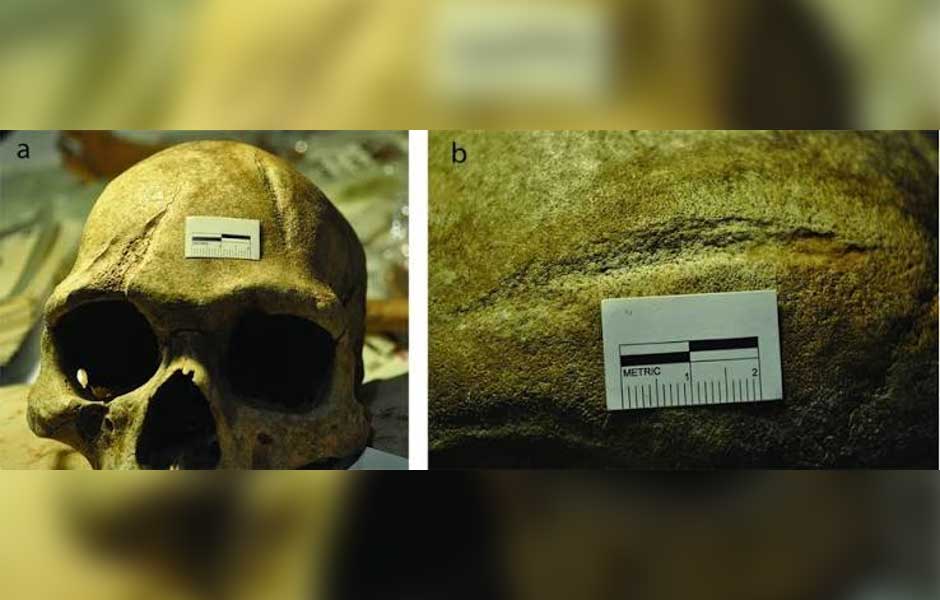
A skull partly exposed by erosion beside the Darling River in north-western New South Wales carried a wound that looked startlingly like the work of a sharp blade. The burial was later dated to the mid thirteenth century, approximately six centuries before European settlement reached the region. That chronology turns one injured skull into a difficult forensic question.

Anger comes attached to a "credential" indicating that something happened that mattered. It communicates that a boundary has been crossed, someone has been wronged, a promise has been broken or a truth has been ignored. It also makes a very strong statement:
If you did not experience anger, it would mean you did not care.
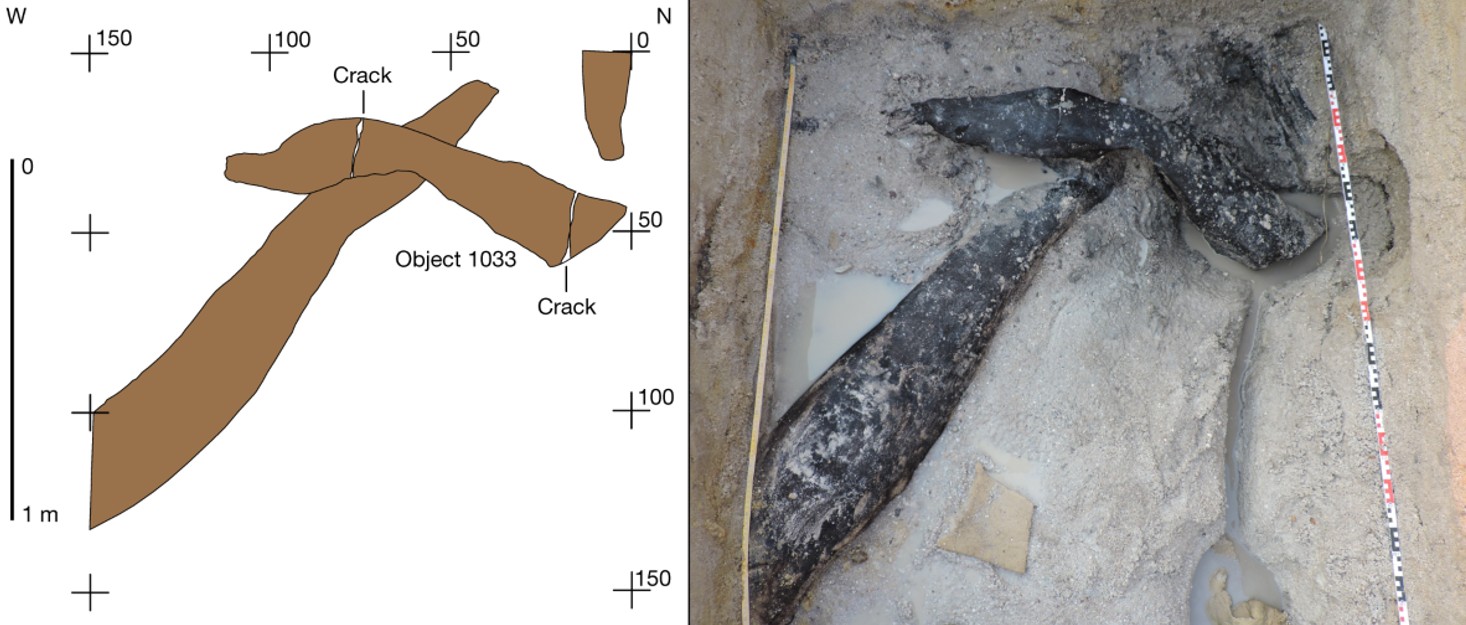
Someone engineered a wooden structure 476,000 years ago. Yes you read it correctly…
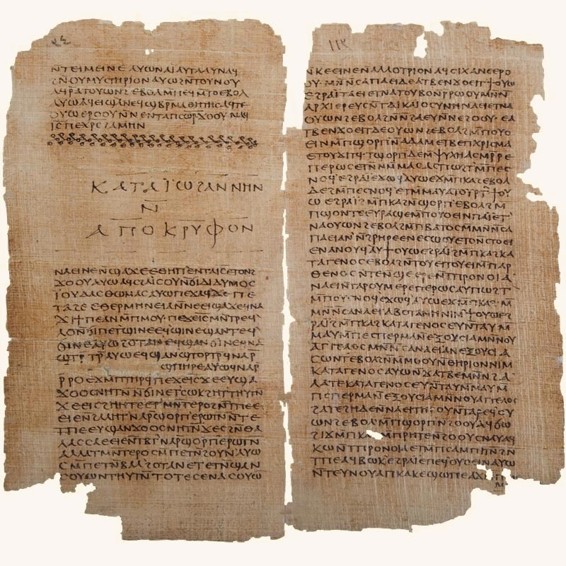
In 1945, an earthen jar was opened near Nag Hammadi in Upper Egypt. Inside were papyrus books that had survived for roughly sixteen centuries. They preserved more than fifty religious and philosophical works, many written by Christians whose ideas did not become the official faith of later churches. But you know that already, we have published many articles on the topic. However, what you don’t know, is that among them were three copies of a revelation that had almost vanished from history.
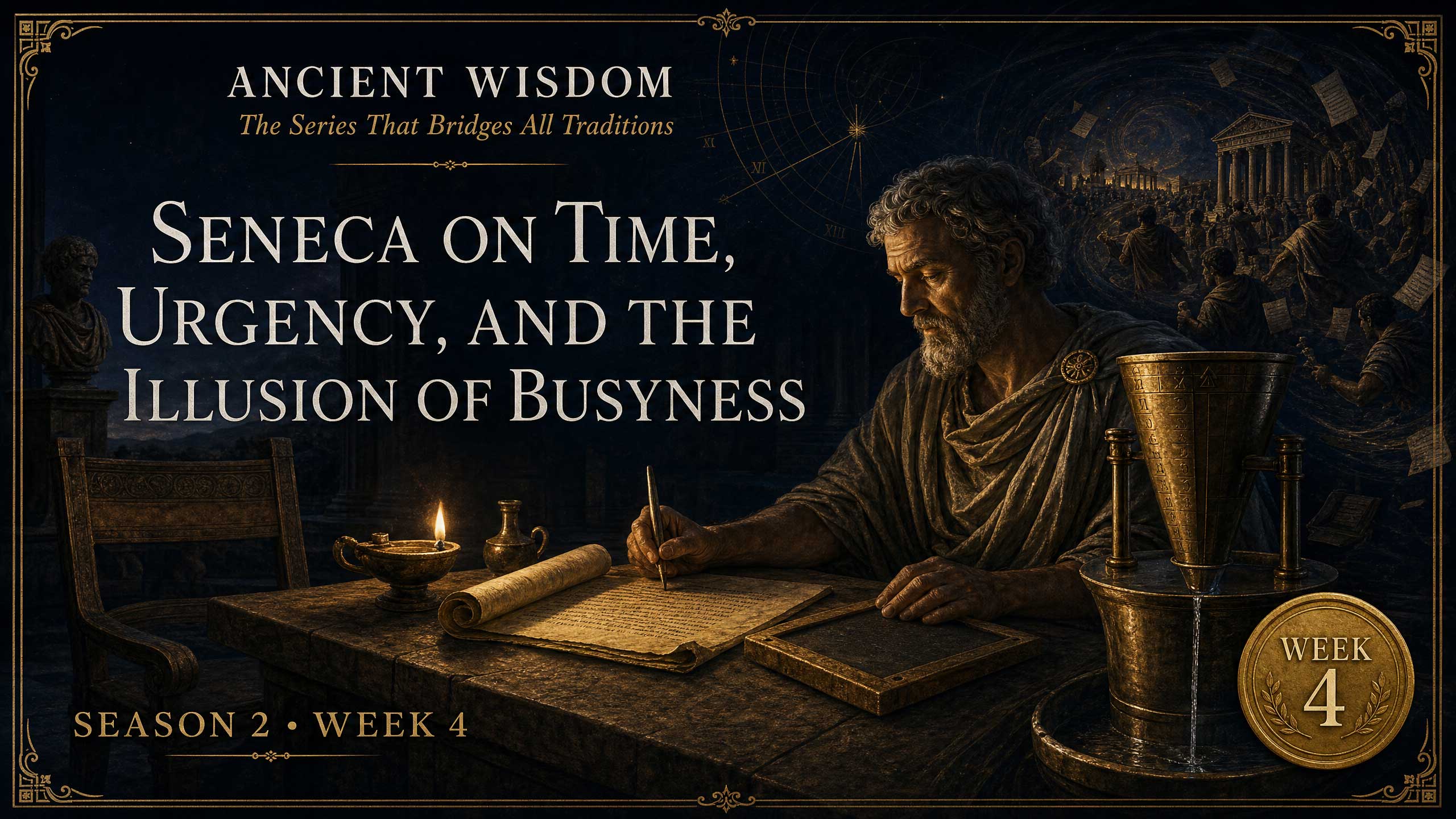
There is a particular kind of exhaustion that comes not from doing too much, but from never being able to say what, exactly, all the doing was for.

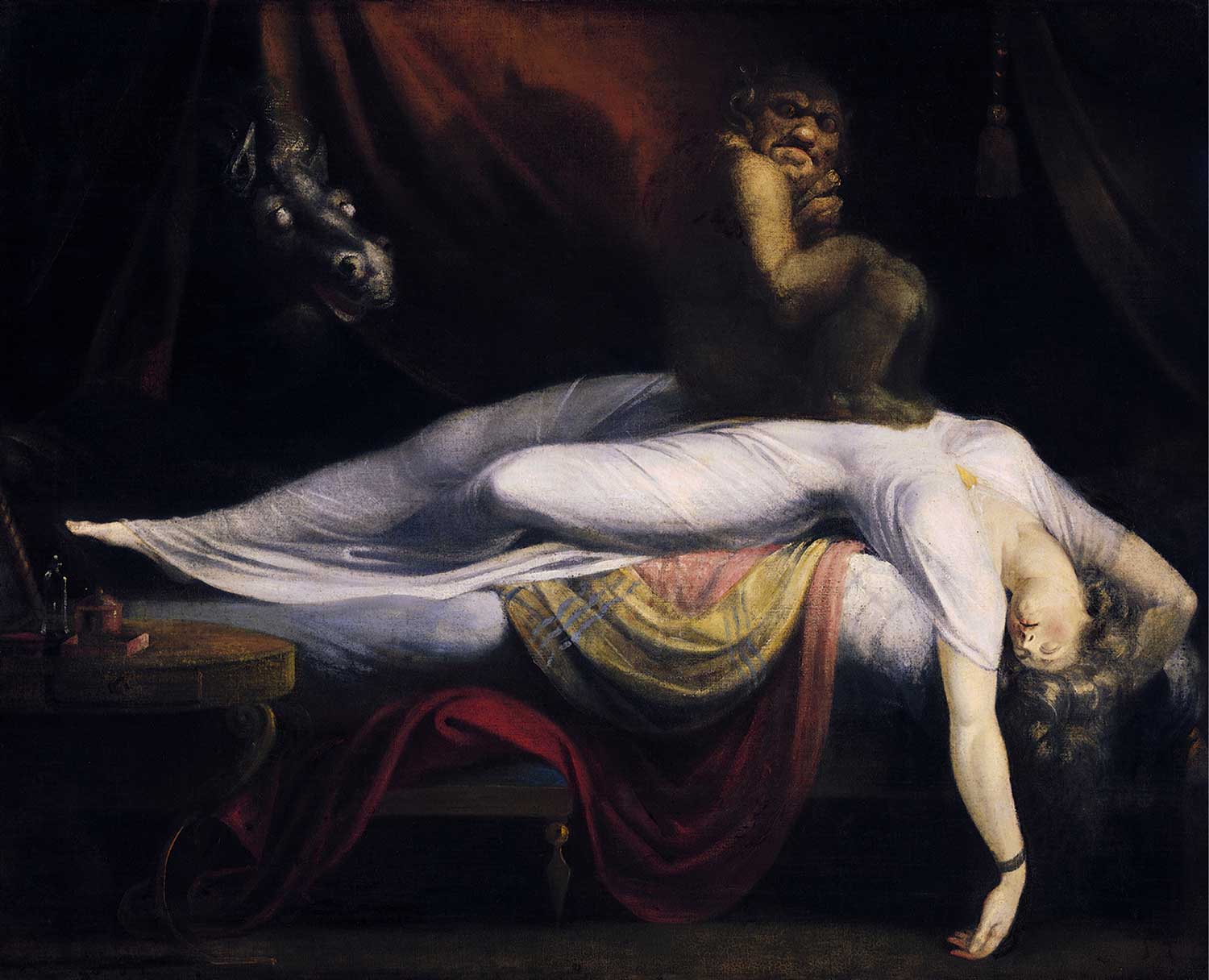
You wake up, or at least, you think you do. The room looks exactly as it should… But you cannot move. Your body is completely frozen, your chest feels as though something heavy is pressing down on it, and at the edge of your vision there is a presence, something emerging in the form of a shadow.
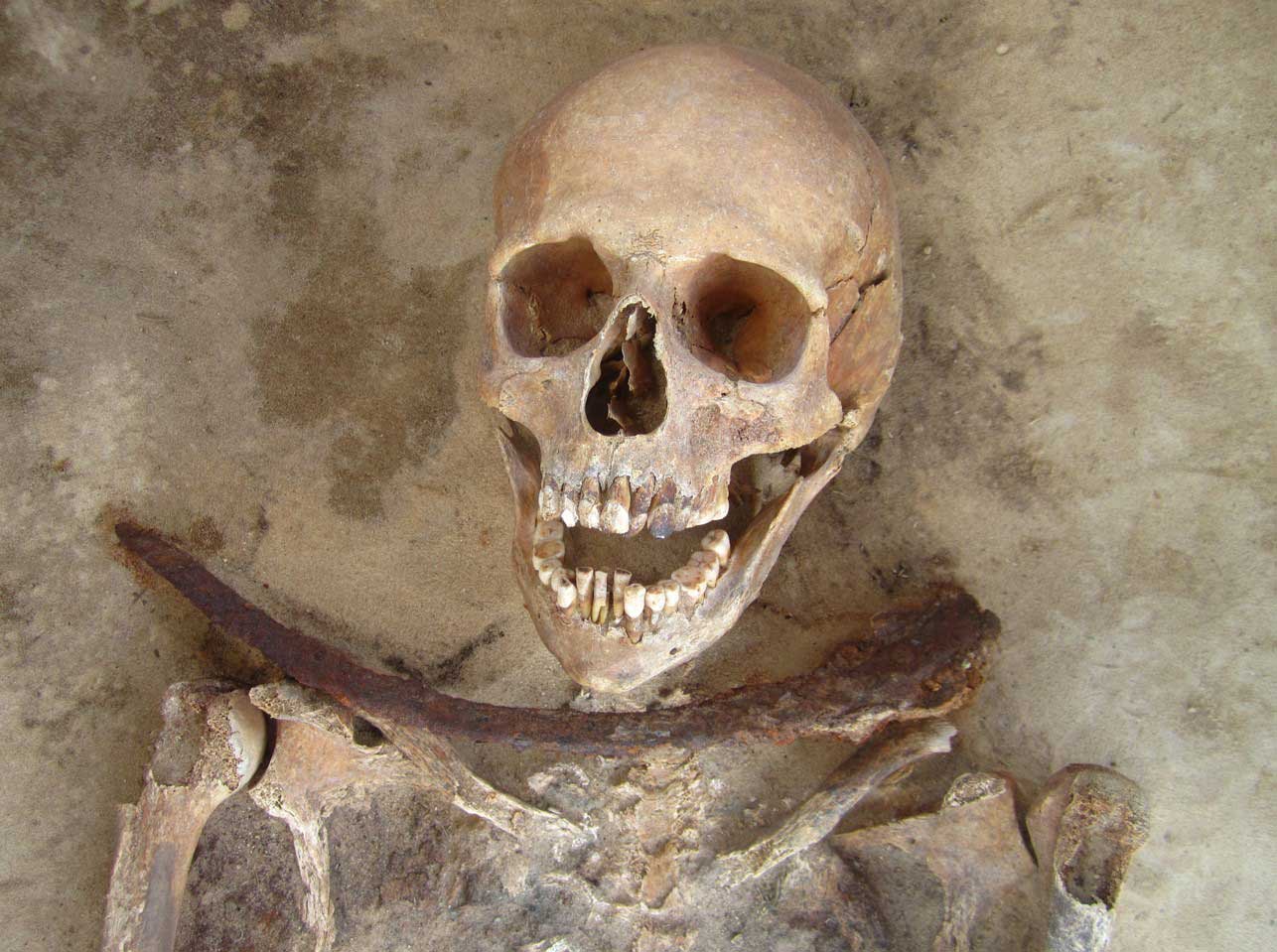
Archaeologists working on a rural cemetery in Poland in 2012 discovered Grave 49 with no stake driven into its heart or a pile of bones, nor was there anything indicating that it was the grave of a vampire; instead, it contained an unsettling piece of evidence - a curved iron sickle placed across the neck of a female deceased.
Estimated reading time: 10 minutes
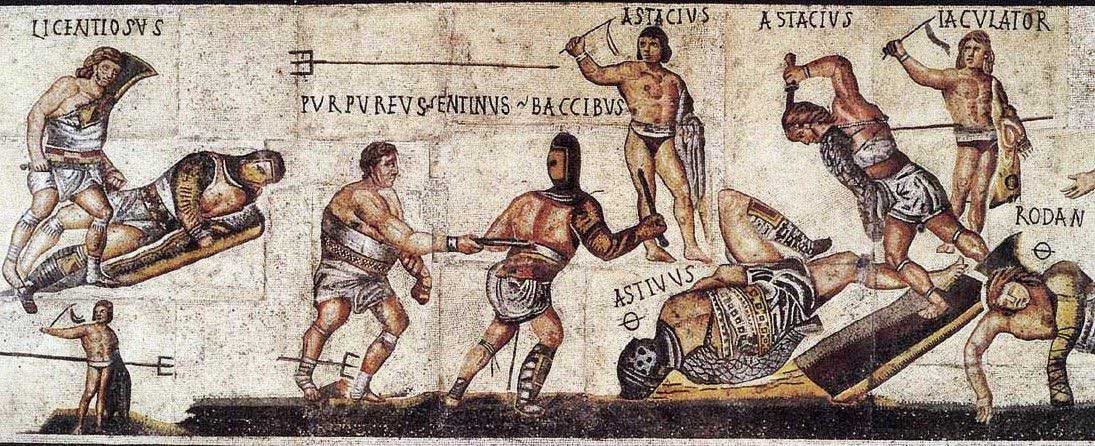
In Ancient Rome, those with the disease we know as epilepsy could be taken to the arena and provided with a cure that would cause even today's readers to stop and think twice before trying it. According to accounts given by Romans of that time, many of these individuals drank the warm blood of fallen gladiators. The Romans believed that when someone was killed violently, that act created a powerful force to eliminate physical illness or disease.
















