
Premium Articles

Ancient Origins Premium bring you the latest discoveries, theories, and insights from the world of history, archaeology, mythology, and ancient mysteries. Written by leading experts and researchers, these articles go beyond the surface to explore humanity’s past in depth, connecting ancient wisdom with modern understanding. Dive into a constantly growing collection of well-researched, thought-provoking content available exclusively to our members.

An extravagant compliment, a demand for an answer before there is time to think, an accusation that makes silence feel like guilt, a story told so quickly and confidently that questioning it seems unkind or an insult that seems to require an immediate response. 

What do all of these have in common?  Although these moments differ in tone, they more than often make the same demand: 

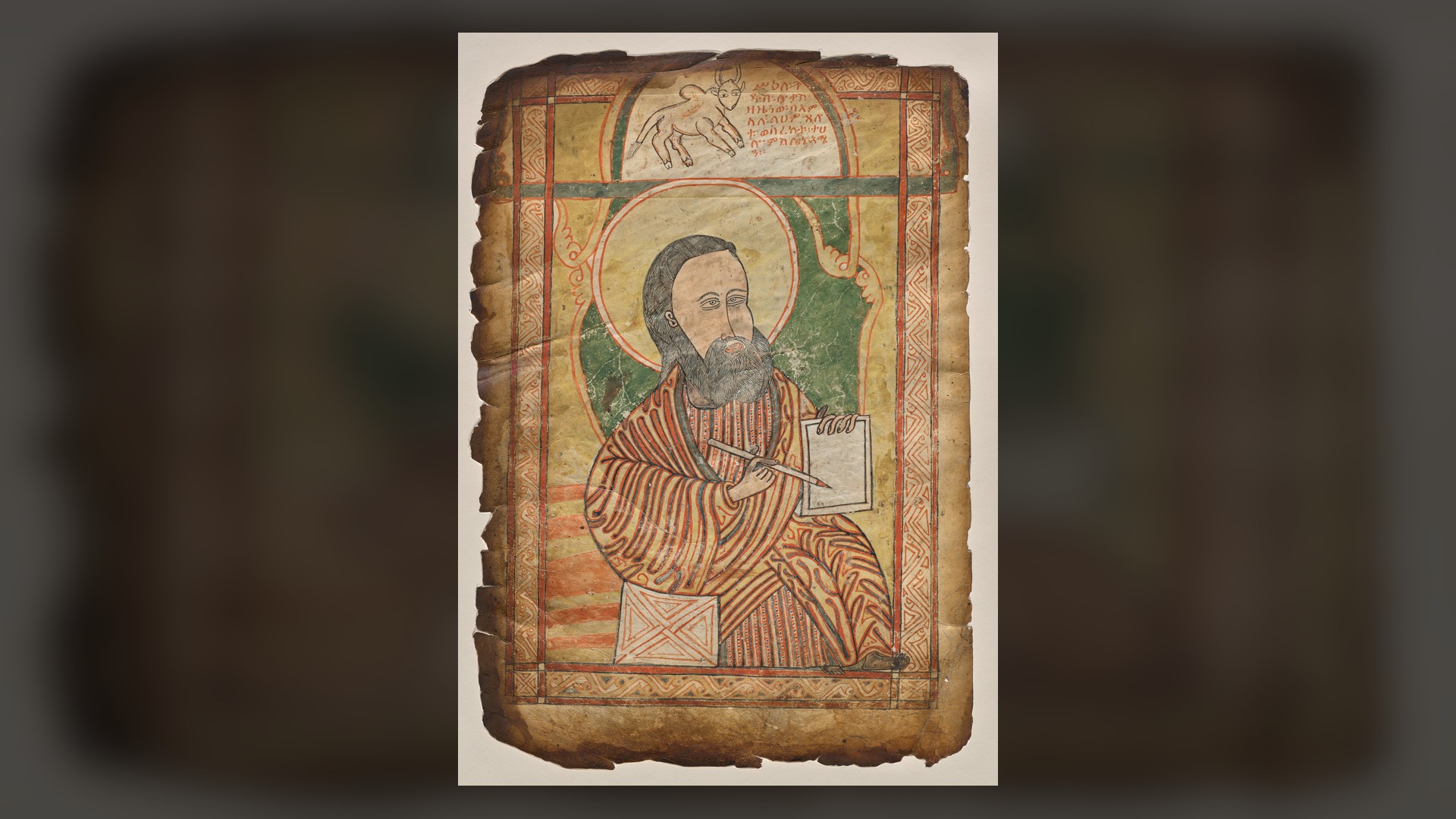
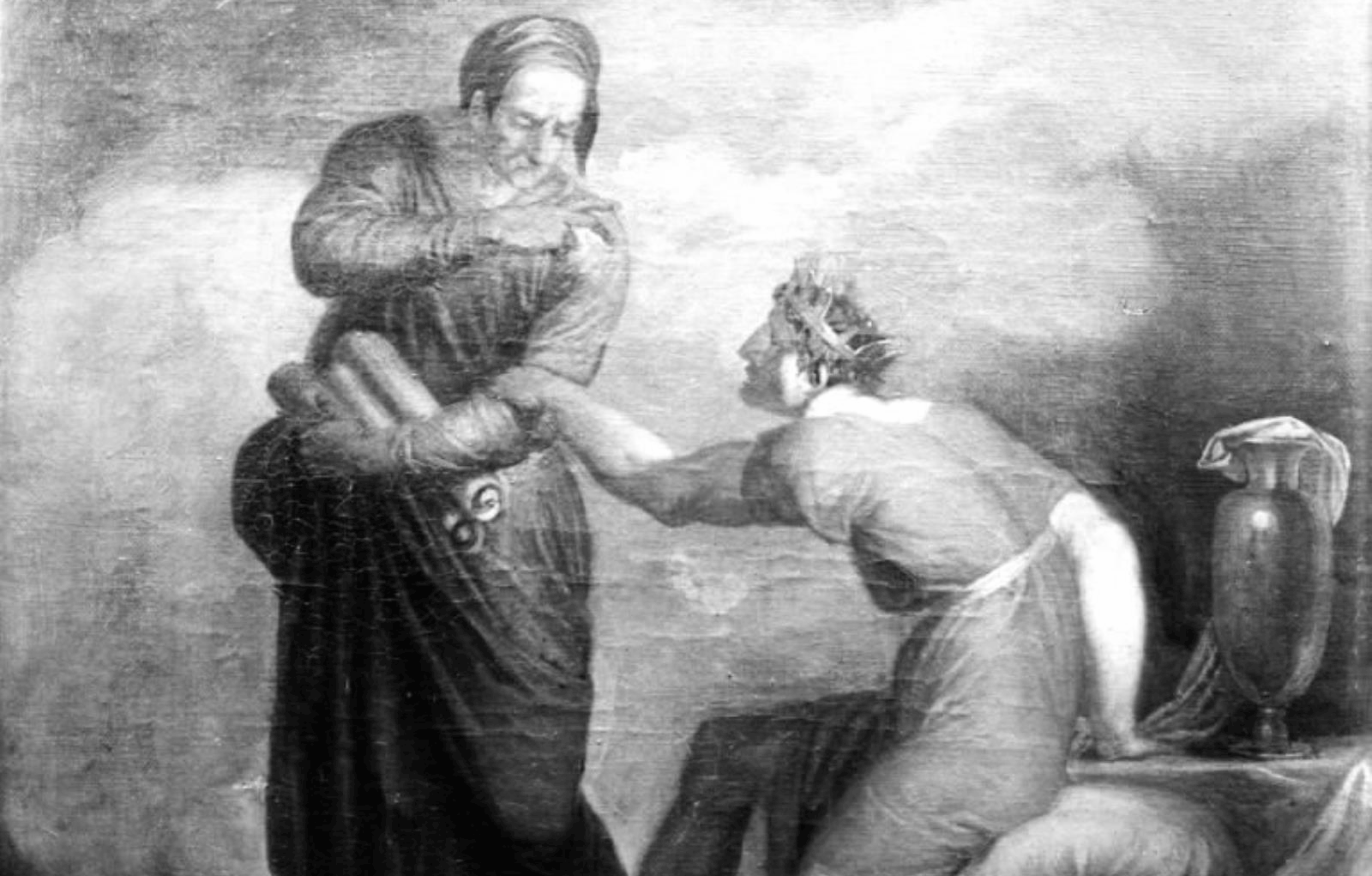
In 367, Alexandria’s bishop Athanasius sent churches in Egypt a list of books for public reading. The Book of Enoch was not on it. Yet Jude, a letter preserved in the New Testament, calls words attributed to Enoch a prophecy. The wording closely follows 1 Enoch 1:9.

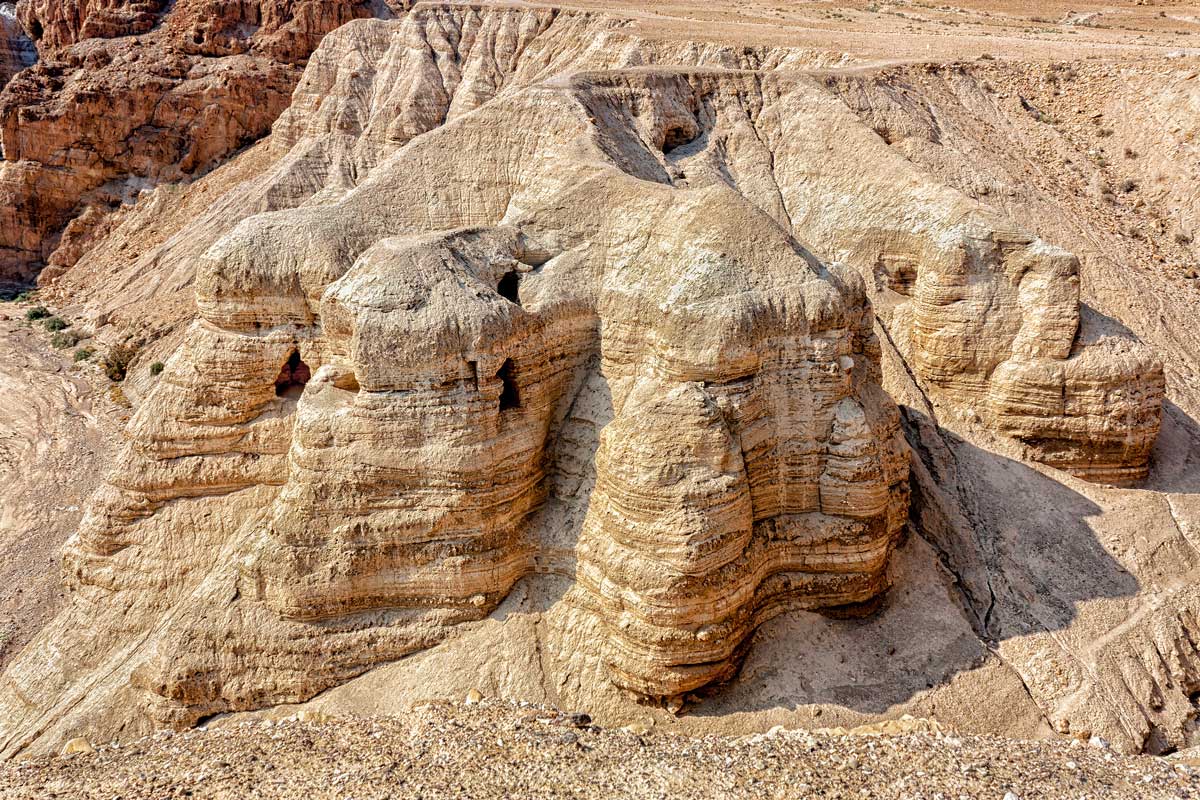
That missing book tells of two hundred angels descending on Mount Hermon. It survives in fragments from Qumran. Ethiopian churches still receive it as Scripture.

In a dream that survives on cracked Aramaic leather, a garden burns and floods until almost nothing stands. One tree is left and it has three shoots. No, the dreamer is not Noah. As scholars usually reconstruct the column, he is a giant, and his brother has a second vision the same night: a heavenly court with books opened and judgment is spoken. Their companions of course panic and they send another giant to find Enoch and ask what the dreams mean.

The Norse mythology we think you know may never have existed as a single story. It survives today as a confident, cinematic arc, but no Viking Age author left behind the volume that tells it from beginning to end.

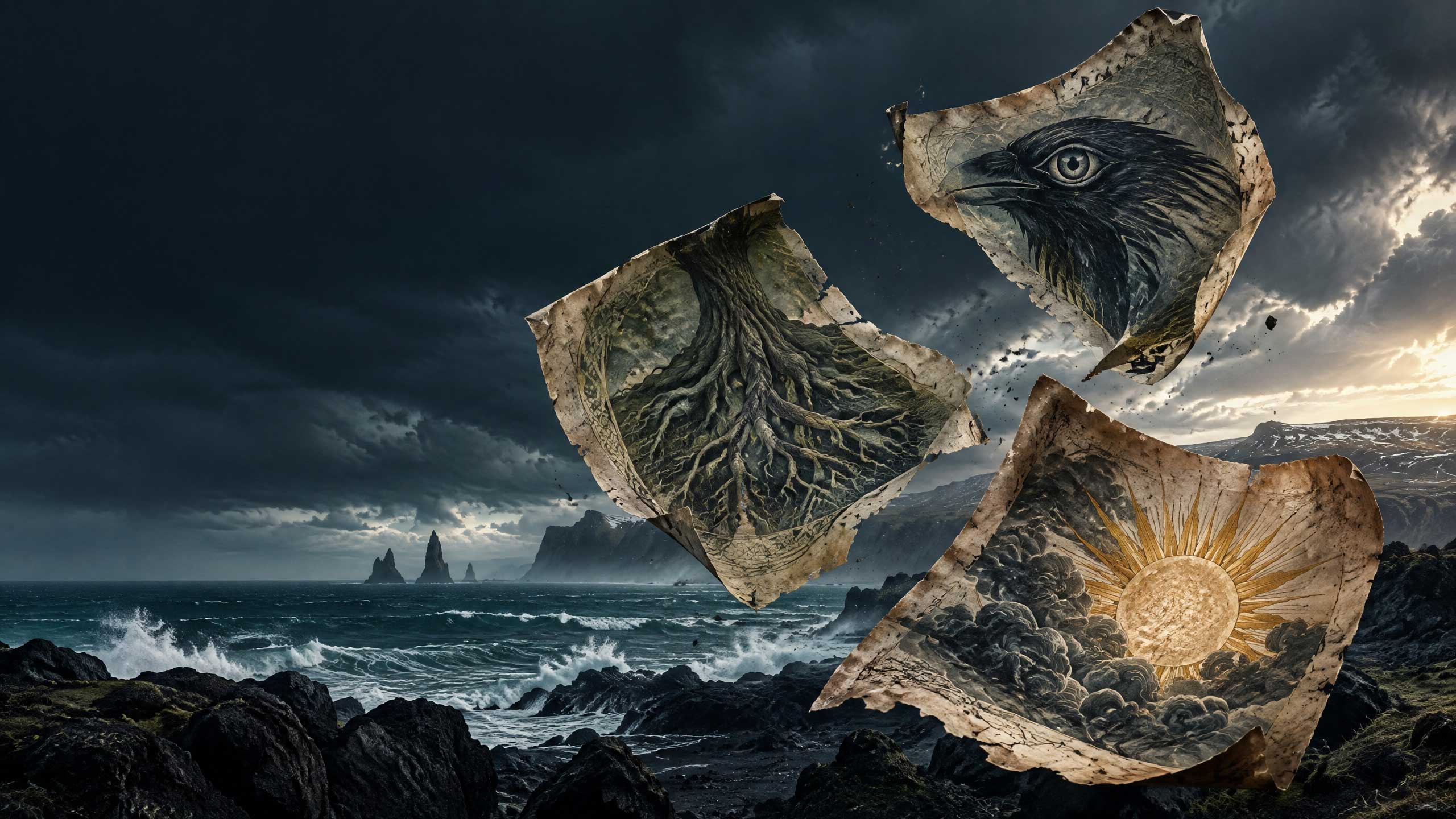
Ginnungagap opens and the first beings appear. Odin and his brothers shape the world, while the Norns govern fate beneath Yggdrasil. Ragnarök consumes the gods, and a renewed earth rises from the sea. 

The hardest decisions usually come when we do not have all the facts.

We cannot know if or when we will get a second chance at an opportunity. We do not know if having a difficult conversation with someone will lead to reconciliation or complete estrangement. We do not know if taking a new path will be successful or not, if taking a risk will result in a reward or loss, if we will improve our ability to diagnose, if the person we trust will continue to be trustworthy, or if our plan will survive the next shift in circumstances.

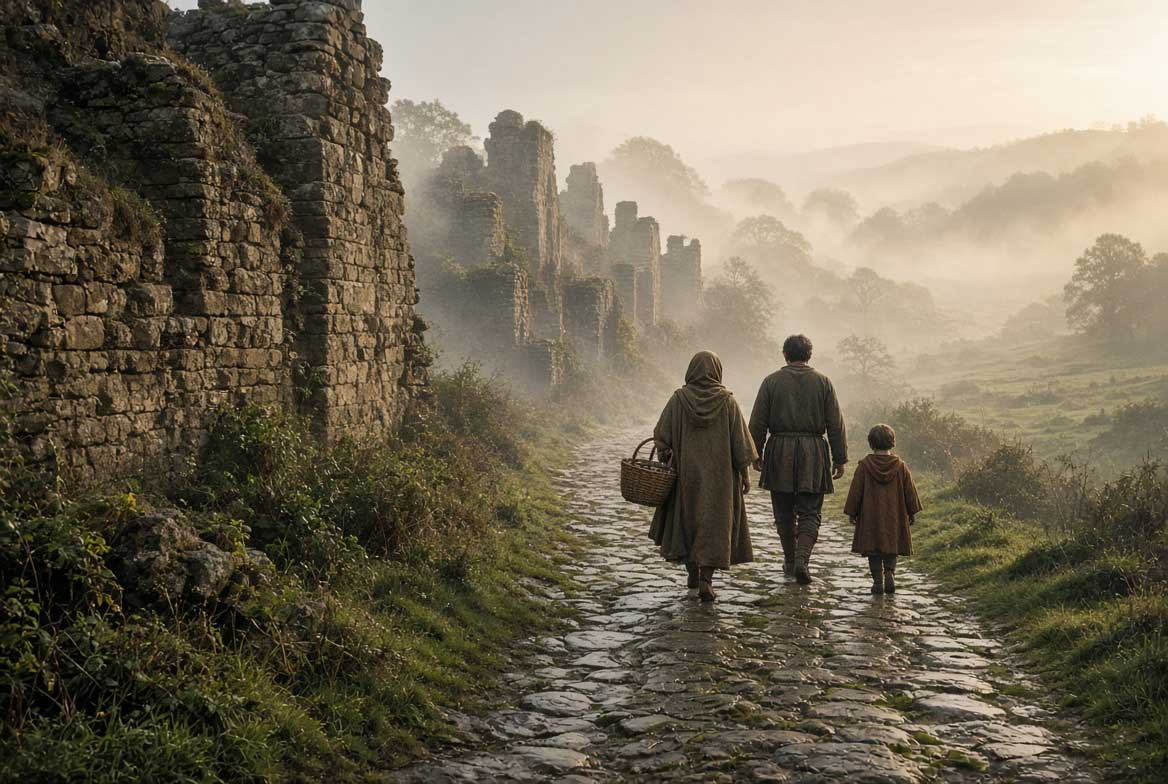
“The Romans left Britain” is one of those sentences that sounds clearer than the event it describes. Rome did leave, if by Rome we mean the western imperial state: its tax system, military command, regular coin supply and the administrative machinery that had governed much of Britain for centuries. By the early fifth century, towns and local elites were being forced to organise without the apparatus of the province. But the phrase becomes misleading when it quietly turns an administrative collapse into a population disappearance.

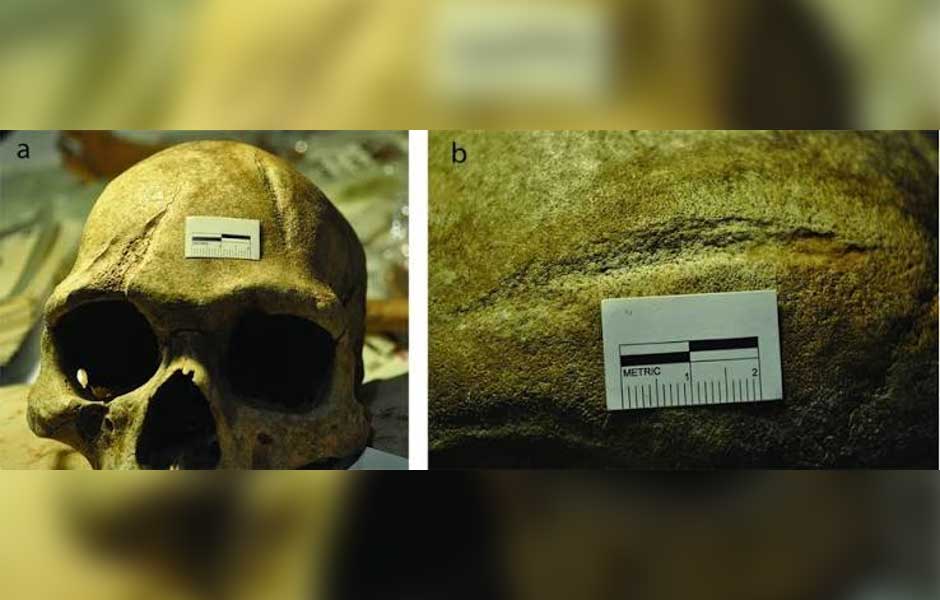
A skull partly exposed by erosion beside the Darling River in north-western New South Wales carried a wound that looked startlingly like the work of a sharp blade. The burial was later dated to the mid thirteenth century, approximately six centuries before European settlement reached the region. That chronology turns one injured skull into a difficult forensic question.

Anger comes attached to a "credential" indicating that something happened that mattered. It communicates that a boundary has been crossed, someone has been wronged, a promise has been broken or a truth has been ignored. It also makes a very strong statement: 

If you did not experience anger, it would mean you did not care.