


January
19
/ 2019
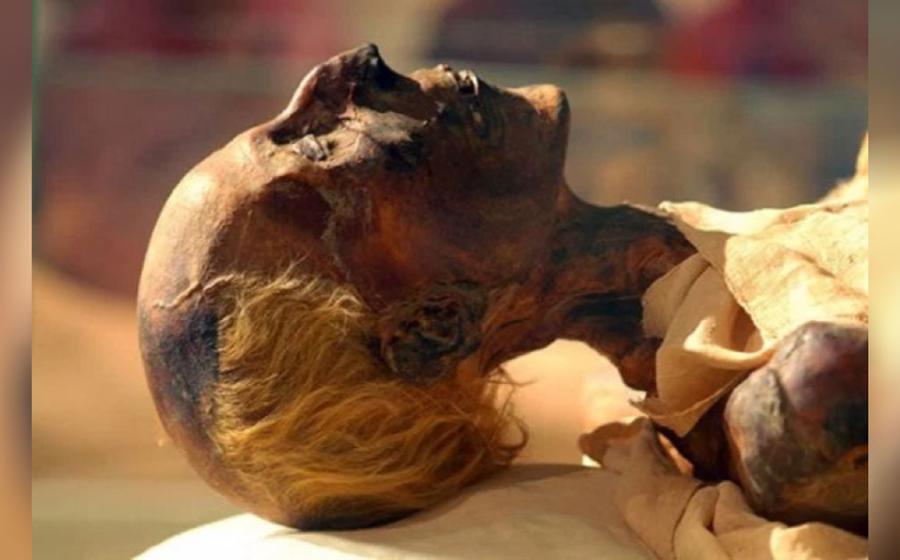
Evidence which shows that ancient Egyptians had already crossed the Atlantic 3,000 years ago, long before Columbus in 1492, comes not only from the mimicking of cultural traditions as seen in Peru and the Canary Islands where evidence of trepanning and mummification has been found, but from the actual Egyptian mummies themselves. Incredibly, in 1976, Dr. Michelle Lescott from the Museum of Natural History in Paris received a sample from the mummified remains of Egyptian Pharaoh Ramses the Great to study. Using an electron microscope, she discovered grains of tobacco clinging to the fibers of his bandages. This initial discovery was berated by the authorities and her senior colleagues insisted that she had simply observed “contamination from modern sources”, maybe

















