
There has been an incredible find in Denmark that alters prior understanding of the Vikings, proving they were far more than just fearsome raiders. Archaeologists have discovered a massive, 1000-year-old site used for textile production, located near Aarhus in Søften - a small town on the Jutland peninsula. The site includes a series of structures built during the late Iron Age and early Viking Age (600-950AD), showing clear proof of a highly structured and developed society that was involved in producing large quantities of goods for the worldwide trade route system.
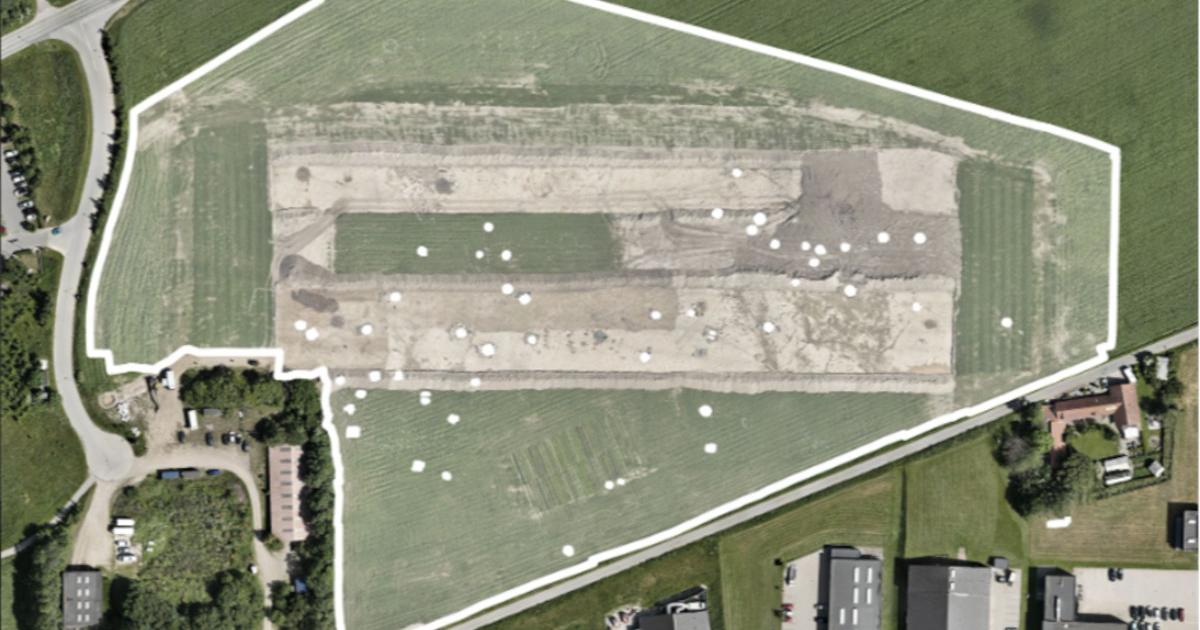
The excavation was done by experts from Moesgaard Museum, who reported that it occupies a total area of approximately 100,000 square meters or (1,000,000 square feet). The main area is dedicated to processing flax (a plant fiber used to create linen). Additionally, there are over 80 pit houses located on the site that were used by the skilled laborers who worked at the textile factory, functioning as both studios and residences for those skilled in producing textiles.
- Ruthless Perception of Vikings Returns as Evidence of the Use of Slaves During the Viking Age
- Everyday Viking Life: More Farmers Than Fighters
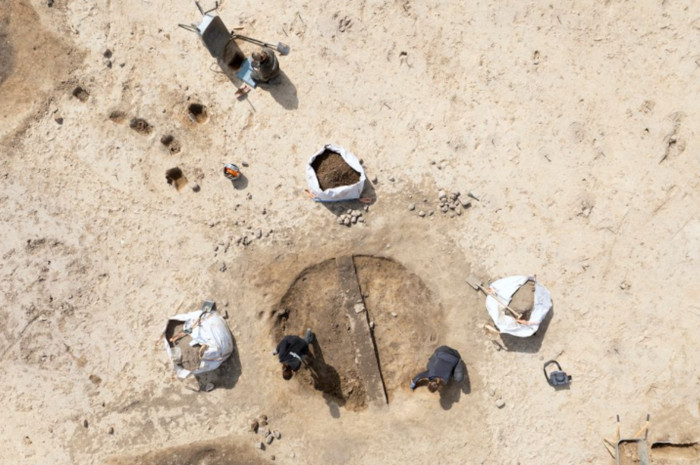
Archaeologists in the process of excavating a pit house at Søften. (Moesgaard Museum)
A Hub of Viking Industry and Trade
Archaeologist Liv Stidsing Reher-Langberg, who directed the 10-month dig, emphasized the unique nature of the settlement. “We have a clear focus on textile production, which makes this settlement different from other kinds of settlements of this period,” she explained to the Associated Press. Inside the pit houses, researchers discovered numerous spindle whorls for spinning raw fibers into thread and loom weights used to hold threads taut during weaving.
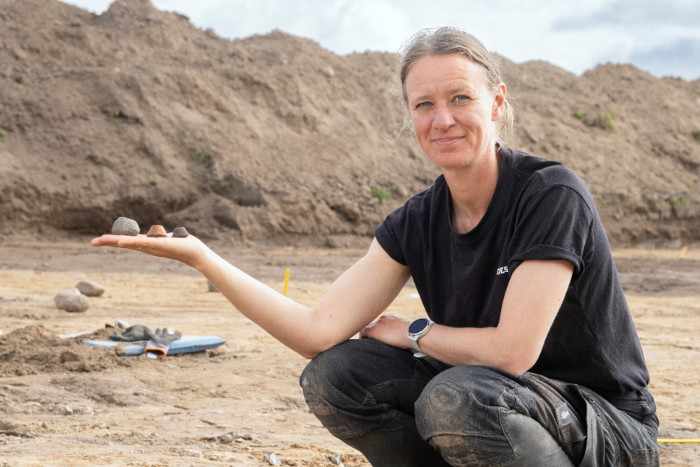
Moesgaard Museum archaeologist Liv Stidsing Reher-Langberg holds a Viking Age weight loom unearthed in Aarhus, Denmark. (Moesgaard Museum)
The layout of the site suggests a highly structured operation. The presence of distinct areas for production and crafts, along with a single residential home, indicates that the factory was likely overseen by a powerful central figure who controlled the resources and the output. This level of organization challenges the stereotype of Vikings as simple, uncivilized barbarians.
- Norsemen Transformed International Culture, Manufacturing, and Tech
- Long-Distance Trade Revealed at Medieval Danish Viking Center
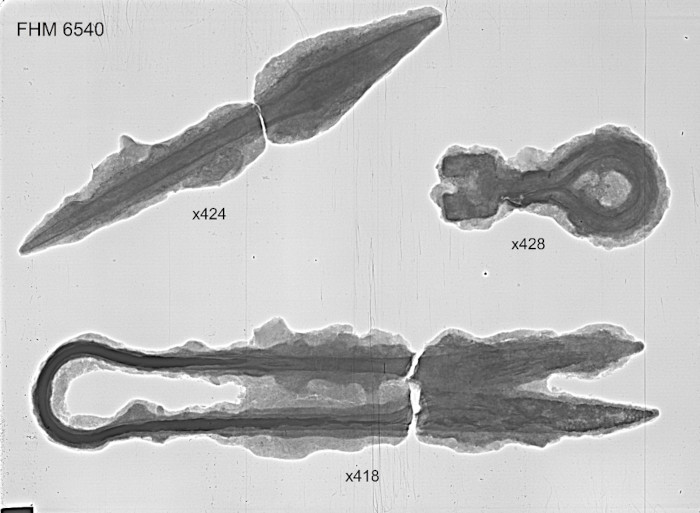
X-ray photograph of a knife, scissors and key from the Viking Age found in a pit house. (Moesgaard Museum)
Connecting to a Wider World
During the Viking Age, the nearby city of Aarhus—then known as Aros—was a bustling royal and commercial center. Historian Kasper Andersen of the Moesgaard Museum noted that the discovery at Søften is a crucial piece of the puzzle in understanding the economic and political landscape of the time. Goods produced at the factory were likely transported to Aarhus before entering an expansive international trade network.
“When you have a production site of this scale, it cannot be only because of the local area,” Andersen stated. “It needs to be understood as part of a greater network, a much bigger international perspective.”
This massive scale of production required not only a well-organized society but also access to distant markets where the textiles could be sold or traded.
Unearthing Viking Life
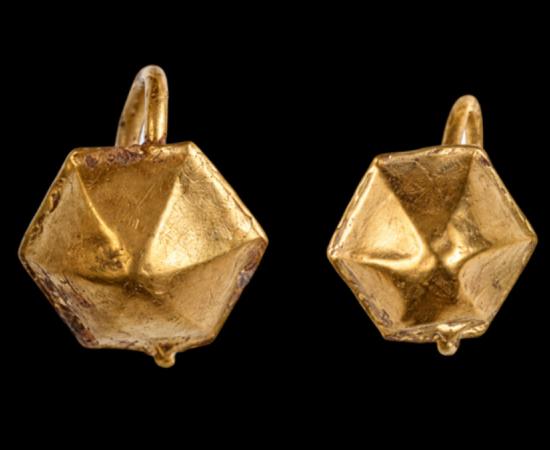
The excavation, prompted by the discovery of silver coins by metal detectorists over the past three decades, has yielded more than just textile tools. Archaeologists have also recovered pearls, glass beads, pottery, scissors, a knife, and a key, providing a glimpse into the daily lives of the craftsmen who worked there.
Future analysis, including carbon dating and pollen studies, is expected to reveal more details about the specific types of textiles manufactured at the site. As researchers continue to analyze the findings from Søften, the image of the Vikings as mere marauders continues to fade, replaced by a picture of a sophisticated society with complex industries and far-reaching economic ambitions.
Top image: Søften excavation site that has revealed a Viking factory. Source: Moesgaard Museum
By Gary Manners
References
Andersen, K. 2026. Vast Viking factory unearthed in Denmark challenges myths of barbaric ancient society. The Independent. Available at: https://www.the-independent.com/news/world/europe/viking-textile-factory-denmark-aarhus-b3001882.html
Brooks, J. 2026. Archaeologists find huge Viking textile production site in Denmark. Associated Press. Available at: https://apnews.com/article/denmark-viking-textile-production-site-soeften-54f9b57b5485aa602591185ff3b911cd
Kuta, S. 2026. Were Vikings Really ‘Uncivilized’ Barbarians? Large Textile-Production Site Discovered in Denmark Challenges That Stereotype. Smithsonian Magazine. Available at: https://www.smithsonianmag.com/smart-news/large-textile-production-site-discovered-in-denmark-challenges-the-stereotype-of-vikings-as-uncivilized-barbarians-180989014/
Moesgaard Museum Press Release, 2026. Moesgaard excavates Viking Age production site north of Aarhus. Moesgaard Museum. Available at: https://via.ritzau.dk/pressemeddelelse/15008548/moesgaard-udgraver-produktionsplads-fra-vikingetiden-nord-for-aarhus?publisherId=13559584&lang=da