
A Solar Observatory Hidden in the Landscape
The site, also known as Tetelictic or “Los Cerritos,” lies in the municipality of Teteles de Ávila Castillo. An earlier report by Archaeology Magazine described the settlement as a ceremonial center with pyramidal structures dating back more than 3,000 years. The new interpretation comes from comparing its urban plan with Mesoamerican sites and observing how the buildings frame the surrounding mountains and the astronomical horizon.
The observatory sits east of the Great Plaza and consists of a square courtyard flanked by two platforms. The eastern platform is about 90 meters long and 40 meters wide, while the smaller western platform measures approximately 46 by 27 meters and served as the viewing point. As Heritage Daily reported, the arrangement resembles the famous Group E complex at Uaxactún in Guatemala, although the Puebla complex is about twice its size.
- Aztec Observatory Temple Reveals Ancient Calendar Secrets
- Archaeologists discover astronomical observatory linked to the sun in Mexico
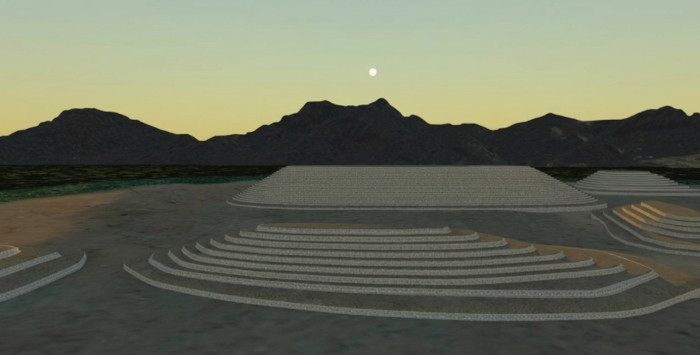
Digital reconstruction of the Tetelihtic ceremonial complex. (Alberto Diez/INAH)
A Calendar Built from Stone
The elongated platform did not simply mark the equinoxes from its center. INAH project director Alberto Diez Barroso Repizo says it helped identify February’s beginning of the pre-Hispanic Mesoamerican calendar and October’s harvest, while the eastern platform allowed observers to follow the rising Sun at equinoxes and solstices. In that sense, the solar observatory was both a ceremonial setting and a practical seasonal instrument for an agricultural society.
Culture Secretary Claudia Curiel de Icaza said:
“The architecture of Teteles de Ávila Castillo tells us about societies that developed astronomical knowledge and incorporated it into the organization of their ceremonial spaces.”
That achievement belongs to a much wider Mesoamerican tradition, from the solar alignments discussed in Xochicalco’s underground observatory to the landscape-based calendar of the Mexica observatory at Mount Tlaloc. A related Ancient Origins report on Maya eclipse prediction shows how observation and record-keeping remained central to Mesoamerican astronomy centuries later.
- Xochicalco: New Wave Mayan City That Was a Prime Target for Destruction
- Scorpion Mound in Mexico Reveals Farmers’ Held Astronomical Knowledge
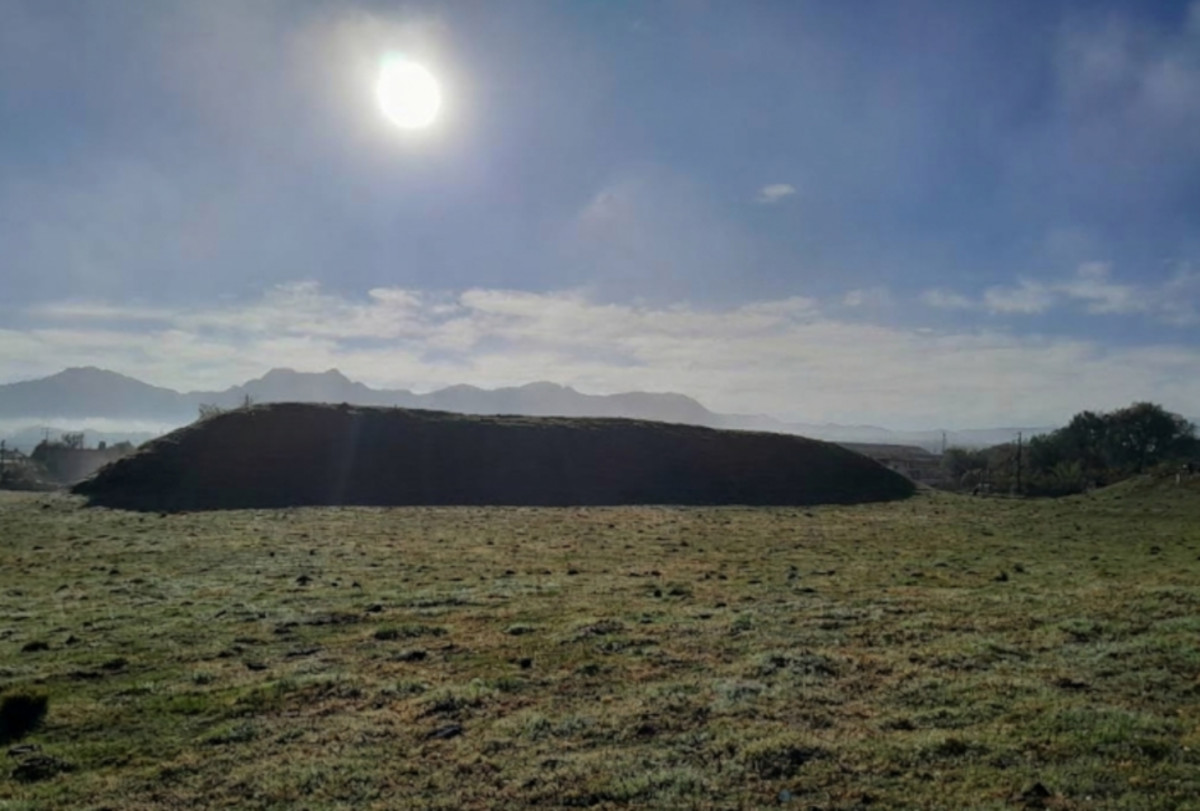
East structure of the astronomical complex marking the spring equinox. (Alberto Diez/INAH)
Possible Maya and Totonac Connections
The discovery also raises questions about movement and cultural exchange in early Mesoamerica. INAH researchers suggest that the observatory may help investigate an early relationship between Maya-speaking groups and Huastec communities, whose presence in the region could reach back to the first millennium BC. They also propose, more cautiously, that Tetelihtic’s original inhabitants may have been ancestors of Totonac communities later associated with Yohualichan in Puebla and El Tajín in Veracruz.
Those ideas remain hypotheses, not proof that the site was Maya or Totonac. The project also notes a possible connection between the site’s principal orientation and Canopus, the second-brightest star in the night sky, as well as a link to the Nahua goddess Nantehuitz. Such interpretations show why Mesoamerican sky-watching cannot be separated neatly from ritual, landscape and political identity; the symbolism of Venus in ancient Mesoamerica offers another example.
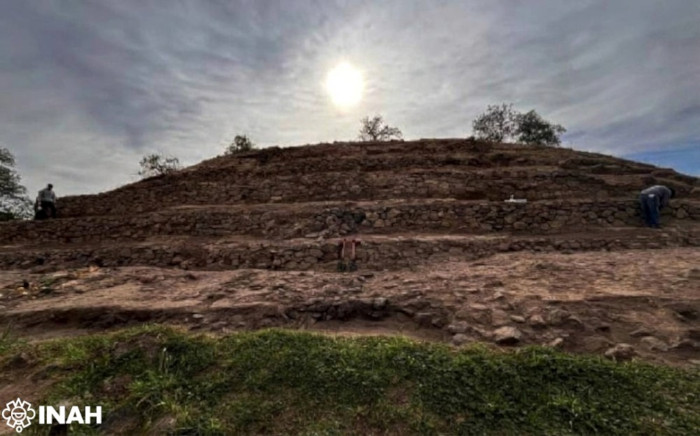
View of the West structure at Tetelihtic during the Spring Equinox. (Alberto Diez /INAH)
A Sacred Place Long After Abandonment
Tetelihtic was active from about 900 BC to AD 100, when major centers such as Cantona, Cholula and Teotihuacán were emerging. Offerings dating from AD 100 to 600 show that the ceremonial precinct continued to matter after partial abandonment, and a later Totonac offering from AD 600 to 900 suggests that the site retained sacred significance for centuries. For archaeologists, the solar observatory is therefore more than an early calendar: it is a record of how communities connected seasonal work, ceremony and memory to the same mountain horizon.
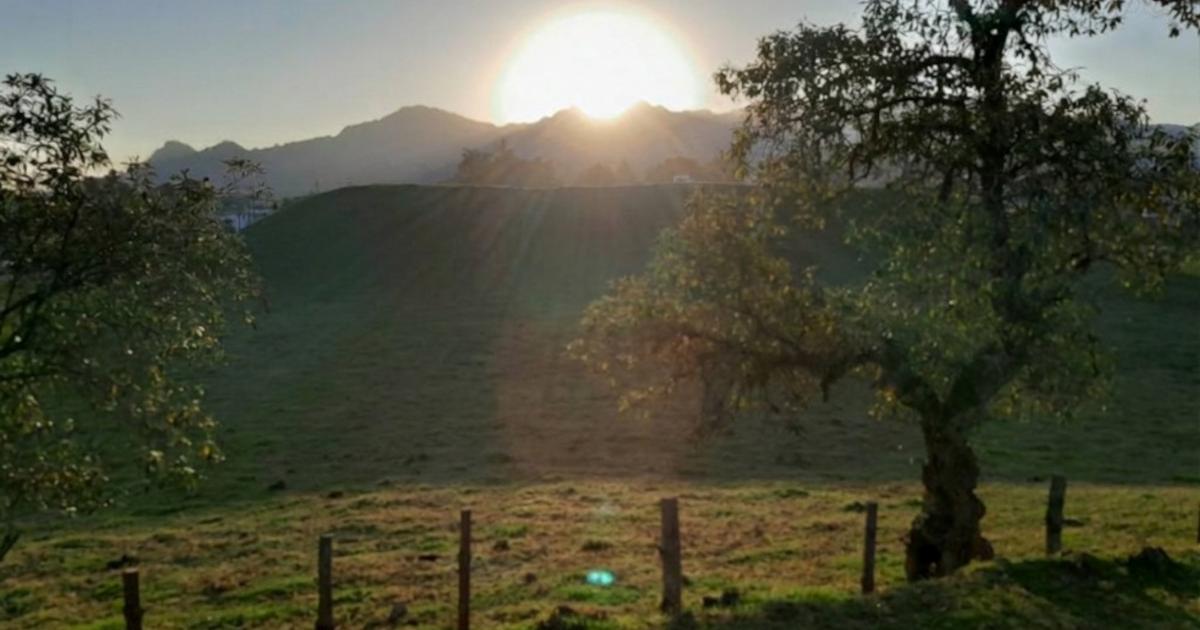
Top image: Sunrise viewed from the Teteles solar observatory in February. Source: Alberto Diez/INAH
By Gary Manners
References
Archaeology Magazine. 2024. Archaeologists uncover pyramidal structures at Los Teteles de Ávila Castillo. Available at: https://archaeologymag.com/2024/03/pyramidal-structures-at-los-teteles-de-avila-castillo/
Cowie, A. 2022. Aztec Observatory Temple Reveals Ancient Calendar Secrets. Available at: /news-history-archaeology/aztec-observatory-0017675
Gauss, D. 2021. The Planet Venus as a Symbol of Death and Resurrection in Ancient Mesoamerica. Available at: /myths-legends-americas/venus-symbol-0014781
Heritage Daily. 2026. 2500-year-old solar observatory discovered in Mexico, revealing ancient astronomical knowledge. Available at: https://www.heritagedaily.com/2026/10/2500-year-old-solar-observatory-discovered-in-mexico-revealing-ancient-astronomical-knowledge/159576
Instituto Nacional de Antropología e Historia. 2026. Confirman existencia de un observatorio solar prehispánico en Teteles de Ávila Castillo, Puebla. Available at: https://www.inah.gob.mx/boletines/confirman-existencia-de-un-observatorio-solar-prehispanico-en-teteles-de-avila-castillo-puebla
Strom, C. 2017. Xochicalco: New Wave Mayan City That Was a Prime Target for Destruction. Available at: /ancient-places-americas/xochicalco-new-wave-mayan-city-was-prime-target-destruction-008350