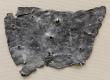

Archaeologists at Seyitömer Höyük in western Türkiye have recovered eight charred pieces of bread from a room containing an oven and shelf remains. Anadolu Agency reported the find on November 5, 2026, while Arkeonews places the discovery in the 2025 excavation season. The rescue excavations in Kütahya's lignite field are led by archaeologist Sevgi Gürdal, director of the Kütahya Archaeology and Mining Museum.
According to Anadolu Agency, digging continues in Middle Bronze Age and Early Bronze Age layers, and Gürdal said the finds date back nearly 5,000 years, to the first quarter of the Early Bronze Age. That dating is the excavator's assessment as reported by Anadolu Agency, and the English reports do not publish a radiocarbon measurement for the loaves.
What Was Found Beside the Oven?
Gürdal told Anadolu Agency that researchers discovered an oven in a room and remnants of shelves along one wall during the previous year's excavations. "During our excavations, we found eight charred pieces of bread between the shelf supports in the area where the oven was located inside the room," Gürdal said, as quoted by Anadolu Agency. "We also discovered remains of wheat and lentils around the bread," she added.
Heritage Daily, which cites Anadolu Agency, describes the eight pieces as loaves found between the supports of collapsed shelving.
Gürdal, as quoted by Heritage Daily, links the mixed finds to a shelf that held food before a fire. "This indicates that there was a shelf there before the fire," she said. "There were also agricultural products and bread in sacks or bags on the shelf. When the shelf collapsed during the fire, these were found mixed together." The shelf and fire sequence is her reconstruction from the finds, while the wheat and lentils beside them are not identified as loaf ingredients.
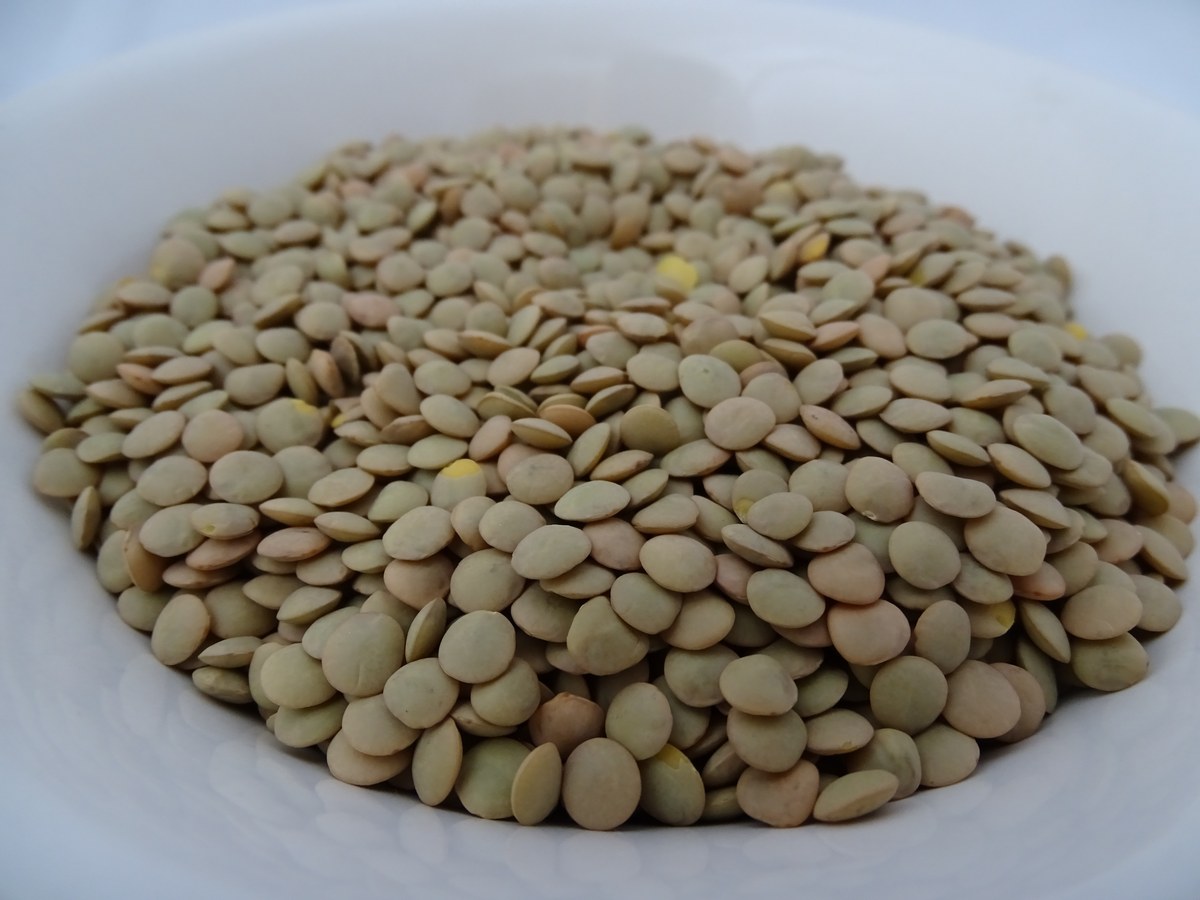
Dried lentil seeds photographed as a modern crop sample. They are not the carbonized lentils from Seyitömer Höyük. Resized from the original photograph. Photo by sandravelez2017, via Wikimedia Commons, CC0.
Why Excavate Inside a Coal Field?
The rescue excavations began because lignite reserves lie beneath the mound, according to Heritage Daily, while Anadolu Agency places the site within a thermal power plant's grounds. Heritage Daily puts Seyitömer about 26 kilometers from Kütahya's center and says deposits there extend back to about 3000 BC.
Arkeonews summarizes settlement from the third millennium BC through Early and Middle Bronze Age layers, with later Achaemenid, Hellenistic and Roman periods also recorded. Rescue digging began in 1989 and passed between several museums before Kütahya Dumlupınar University ran campaigns from 2006 to 2014, Heritage Daily reports. The Kütahya Museum Directorate has run the work since 2019, and Arkeonews names Çelikler Holding as the current supporter of the rescue project.
Earlier excavation seasons have already filled the museum cases with finds from the mound. Heritage Daily and Arkeonews both report that more than 17,000 artifacts have been transferred to the Kütahya museum collection. Gürdal, as quoted by Heritage Daily, said: "The artefacts from Seyitömer Mound offer various data on the daily and social life, artistic understanding and dietary habits of its time." The loaves, wheat and lentils are now on display at the Kütahya Archaeology and Mining Museum, according to Heritage Daily and Arkeonews.
How Carbonization Preserves Bread
Carbonization can preserve food by transforming plant material into a form less vulnerable to decay, as Heritage Daily explains. That process can leave charred organic remains after a fire, but the condition of these loaves does not by itself establish the proposed shelf collapse.
Arkeonews reports that detailed laboratory results on the loaves' ingredients, shapes and production methods have not yet been shared publicly.
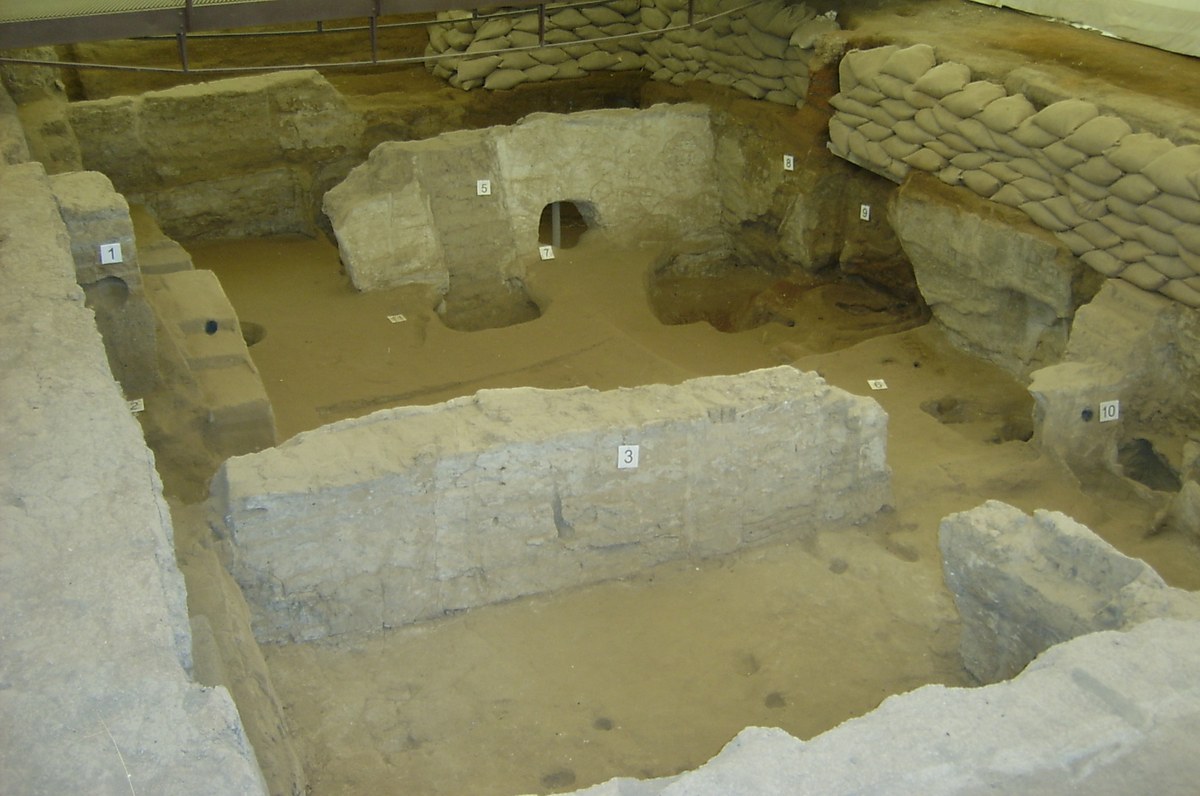
Excavation trenches at Çatalhöyük in central Türkiye. This photograph is comparative context only. It is not Seyitömer Höyük and it does not show the Early Bronze Age loaves. Resized from the original photograph. Photo by Stipich Béla, via Wikimedia Commons, CC BY 2.5.
Earlier Anatolian Bread Remains, and What Is Still Unknown
Prepared cereal foods are already documented much earlier at Neolithic Çatalhöyük. In a 2017 open access study in Vegetation History and Archaeobotany, Lara González Carretero, Michèle Wollstonecroft and Dorian Q. Fuller analyzed charred cereal meal fragments using scanning electron microscopy. They identified bread-like and porridge-like matrices among remains from an occupation spanning about 7100 to 6000 BC. Bread and dough-like types predominated earlier, around 7100 to 6400 BC, within the long Neolithic sequence of this early dense farming community.
Separately, Anadolu Agency reported in March 2024 that excavators led by Ali Umut Türkcan identified a palm-sized, spongy organic residue near a damaged oven in Space 66 at Çatalhöyük as fermented bread. Türkcan told Anadolu that radiocarbon tests suggested a date around 6600 BC, while Salih Kavak of Gaziantep University described chemical signs of fermentation in a mixture that had not been baked. These Neolithic finds belong to a different site and research program, and cannot supply a recipe or date for the Seyitömer loaves.
For the Kütahya loaves, the recipe and any fermentation are not detailed in the reports, and nearby wheat does not demonstrate which flour was used. The accounts provide no calendar date more precise than Gürdal's Early Bronze Age assessment. Further analyses may clarify their preparation, while her shelf and fire reconstruction remains an interpretation of the findspot.
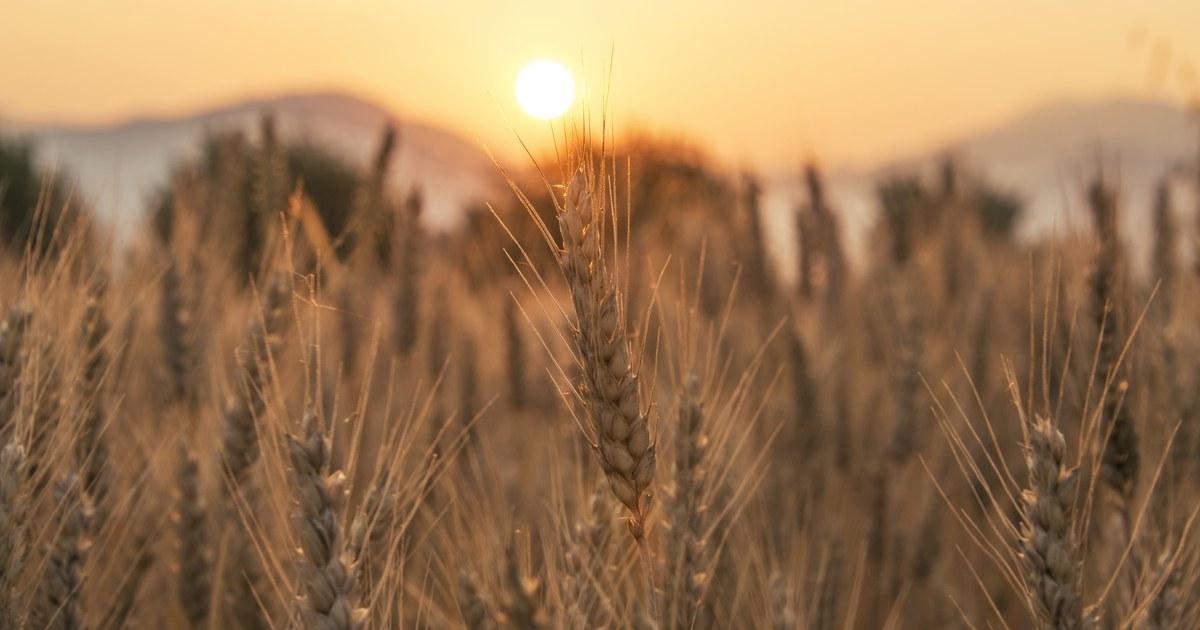
A modern wheat field in Slovenia, photographed at sunset and shown only as crop context. It is not Seyitömer Höyük or the carbonized wheat from the room. Resized from the original photograph. Photo by Dreamy Pixel, via Wikimedia Commons, CC BY 4.0.
By Aris Manus
Sources
- Muharrem Cin, 5,000-year-old bread remains unearthed at mound in western Türkiye, Anadolu Agency, November 5, 2026
- Mark Milligan, Archaeologists find 5,000-year-old bread preserved by fire, Heritage Daily, November 5, 2026
- Oguz Buyukyildirim, Eight Loaves of Bread Survive a 5,000-Year-Old Fire in Türkiye, Arkeonews, November 5, 2026
- Abdullah Dogan, 8,600-year-old bread found in Türkiye's ancient proto-city Catalhoyuk, Anadolu Agency, March 5, 2024
- Lara González Carretero, Michèle Wollstonecroft and Dorian Q. Fuller, A methodological approach to the study of archaeological cereal meals: a case study at Çatalhöyük East (Turkey), Vegetation History and Archaeobotany 26 (2017): 415 to 432