
World Day of Pagan Pride, celebrated by many on September 23rd, 2026, is a public reminder of the existence of modern Pagan religions. The observance is timed around the Northern Hemisphere’s Autumnal Equinox, when many Pagan traditions collectively recognize the bounty from the harvest, a time of balance in the universe, as well as the ongoing transition between light and dark cycles within our world. World Day of Pagan Pride hopes to promote equal opportunity for Pagans, community service and respect for the many paths gathered under the word Pagan. So what does that all entail?
A day built around visibility and service
The World Day of Pagan Pride listing describes a worldwide celebration of neo-Pagans through workshops, public rituals, charity and entertainment. It displays September 23 as the 2026 date, although different groups celebrate on various dates throughout Autumn (or Fall) and generally around the Autumn Equinox period. The variation reflects the difference between a precise astronomical event and community observances that can last a day or weekend.
The Pagan Pride Project has a documented history of the idea, which records that the first organized Pagan Pride Day was held on September 19th, 1998. At that time there were eighteen organized events throughout North America (USA and Canada) that were held to celebrate Paganism. The organizers of those events intentionally combined an open ritual, with public education about Paganism and a food and materials drive for local charities, making service to local communities part of the movement’s identity rather than an afterthought.
- The Pagan Wheel of the Year: What Elaborate Rituals and Events Mark the Sacred Cycle?
- Pagans in a Modern World: What is Neopaganism?
Why the equinox matters to Pagan celebrations
The Autumnal Equinox is not a universally accepted Pagan holiday. However, it is a key time marker for many of today’s practitioners. Paganism is described by the Pagan Federation as a cycle that involves spiritual growth and revival. The festivals generally allow people to celebrate the change of seasons.
A diversity of beliefs is why the term “Pagan” should not be treated as the name of one religion. According to the Encyclopedia Britannica, the beliefs of pagan religions range from pantheism and polytheism to monotheism and atheism. Modern pagan religions borrow their ideas from pre-Christian customs of different places in Europe, North Africa, and West Asia.
There are various kinds of seasonal rituals, which may involve offerings, music, common meals, outdoor gatherings, private reflection etc. Many Wiccans and other Pagans employ the Wheel of the Year which is made up of solstices, equinoxes and four seasonal holidays. At the autumn festival known as Mabon or Harvest Tide, the focus is on the last of summer's bounty as well as preparations for winter.
- How Ancient People Marked the Equinox Around the World
- Beltane: Celtic Fire Festival Beckons with the Warmth of Summer
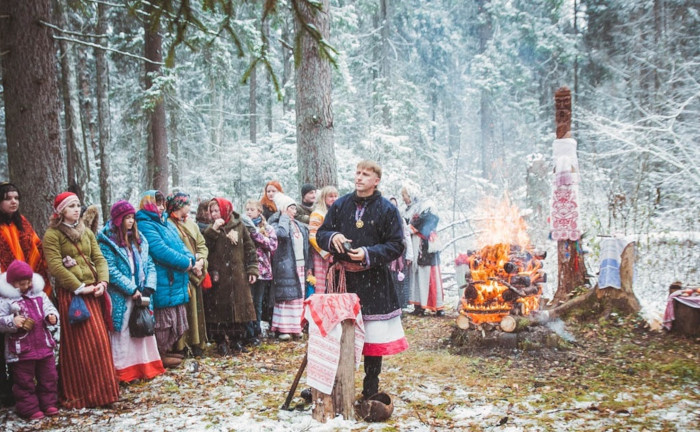
Modern Pagan community celebrating Mokosh, 2016 (Union of Slavic Rodnover Communities/CC BY-SA 4.0)
From household practice to public celebration
For many Pagans, faith is expressed through bonds with the land, remembering ancestors, places that have special importance for them, and even simple household objects. The Pagan Federation describes practices that may be household shrines, offerings and reverence for the spirits of place. The overview of modern Paganism by Ancient Origins underlines the importance of nature, personal experience and variability of beliefs. Some traditions pay special attention to magic, ritual poetry, worshiping the ancestors or telling stories of specific gods in certain seasons.
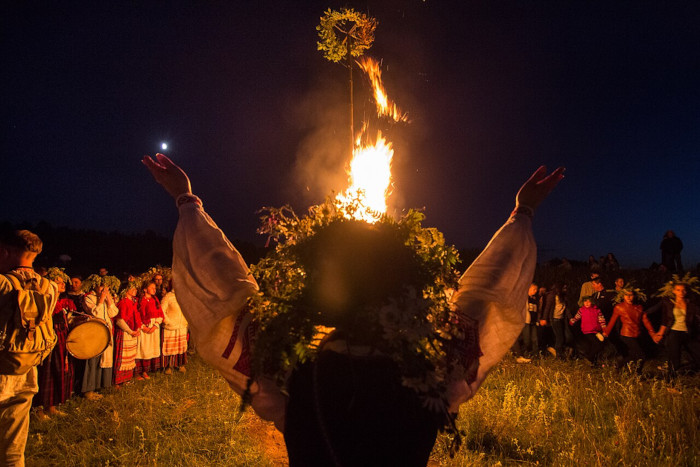
A young woman greeting the summer solstice during the Belarusian pagan Kupala Night celebration in Rakov, Minsk Region. (Aliaksei Staliarou/CC BY-SA 4.0)
Public Pagan Pride events therefore serve two purposes. They offer Pagans a chance to meet openly and mark their faith, while giving neighbors an opportunity to encounter practices that are usually private or misunderstood. Related histories of Beltane, Samhain and the festival cycle, and the ancient roots of Easter customs show how seasonal ritual continues to shape public discussions of religion and heritage.
As such, World Pagan Pride Day is less concerned with representing one static faith and more with creating space for multiple faiths. Across many events there are common themes of thanking the earth, remembering ancestors and caring for others. This factor is pivotal in allowing World Pagan Pride Day to bring different communities together without forcing them to act in the same way.
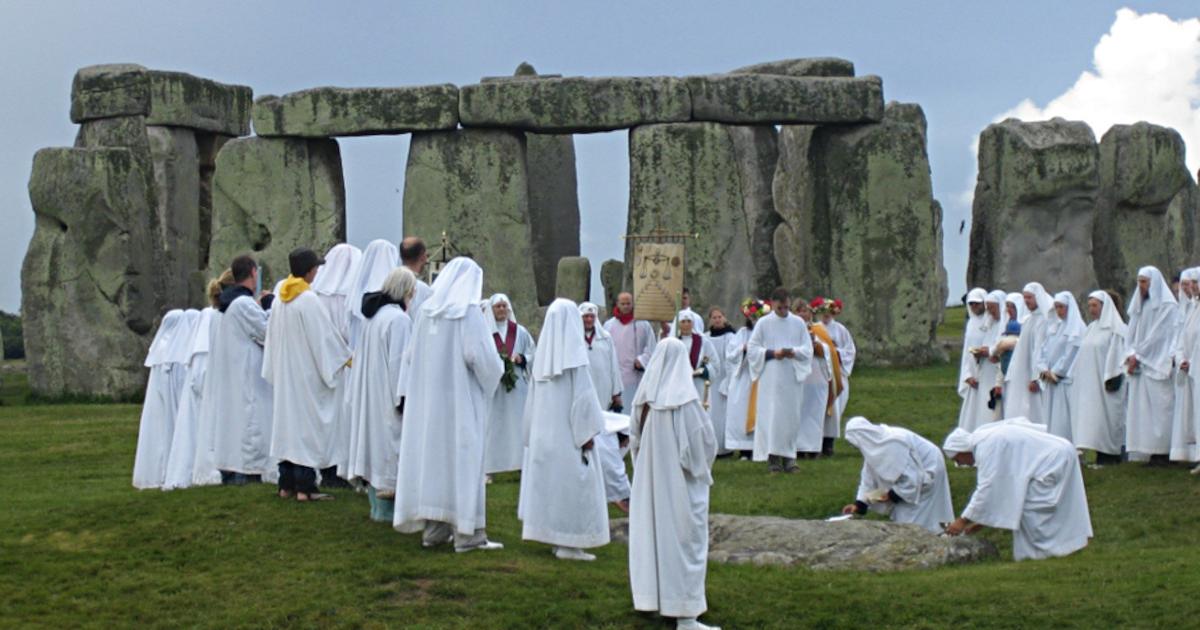
Top image: Druids celebrating at Stonehenge. Source: sandyraidy/CC BY-SA 2.0
By Gary Manners
References
Ancient Origins. 2017. The Pagan Wheel of the Year: What Elaborate Rituals and Events Mark the Sacred Cycle? Available at: /human-origins-religions/pagan-wheel-year-what-elaborate-rituals-and-events-mark-sacred-cycle-007888
Britannica, E. 2026. Modern Paganism. Available at: https://www.britannica.com/topic/modern-Paganism
Dewr, D. 2007. Our History. Available at: https://www.paganpride.org/about-us/our-history
Hutton, R. 2008. Modern Pagan Festivals: A Study in the Nature of Tradition. Available at: https://www.tandfonline.com/doi/full/10.1080/00155870802352178
International Days. 2026. World Day of Pagan Pride. Available at: https://www.internationaldays.co/event/world-day-of-pagan-pride/r/recmWmqfuS6GmgSJz
Pagan Federation. n.d. Introduction to Paganism. Available at: https://www.paganfed.org/paganism/