

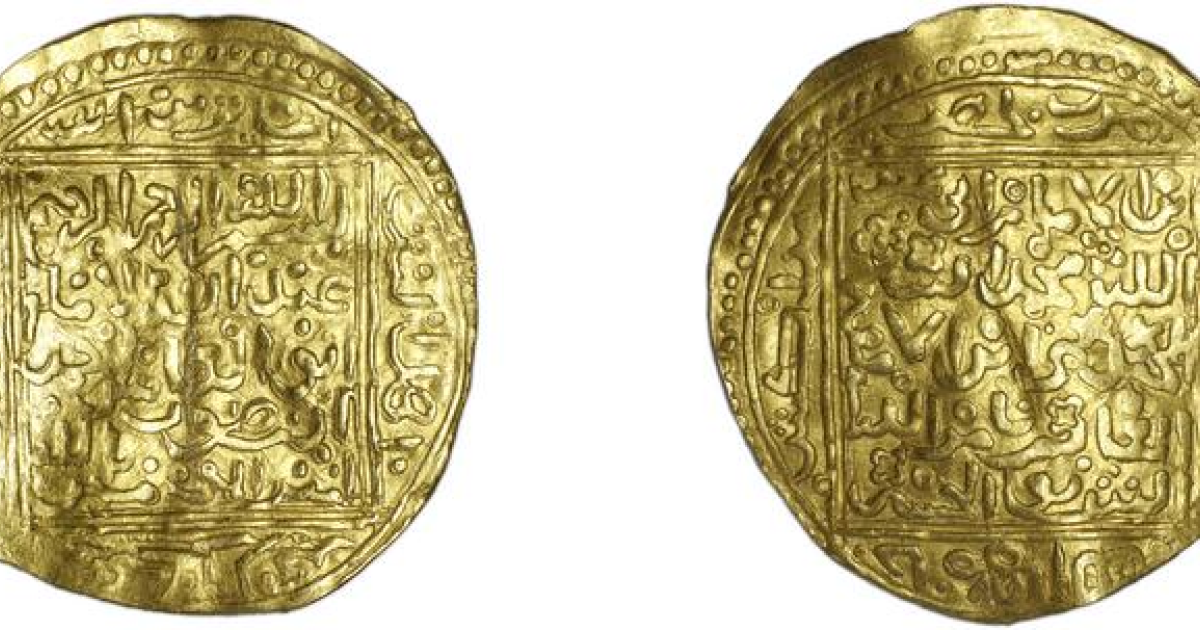

For over three decades, a shipwreck that rested beneath the sea concealed its true identity. Archaeologists were at last able to uncover an extraordinary site because the wreck contained more than 400 coins, including a remarkable collection of gold currency. Yet despite years of study, researchers couldn’t determine exactly which vessel had met its end beneath the waves. The mystery of this vessel became one of the most intriguing unsolved cases in maritime archaeology, demonstrating how even well-preserved discoveries can resist being identified.
- How Tulips Became the Bitcoin of the 1600s (Video)
- Danish Warship Sunk in Famous 17th Century Battle Discovered
A Treasure Cargo from the Age of Global Trade
The shipwreck was found to have sailed during the seventeenth century, a period often called the Age of Sail. European states such as the Netherlands were expanding overseas trade networks in search of valuable commodities, new markets, and access to lucrative trade routes stretching from the Mediterranean to Asia. Coins found aboard the shipwreck represented more than items measured in wealth. The various artifacts found on the shipwreck provide evidence of commercial exchange, political authority, and the movement of goods across vast distances. Cargoes found in shipwrecks like this were often carried by merchant vessels. These ships didn’t just face dangers from privateers or pirates but also storms and navigational errors.
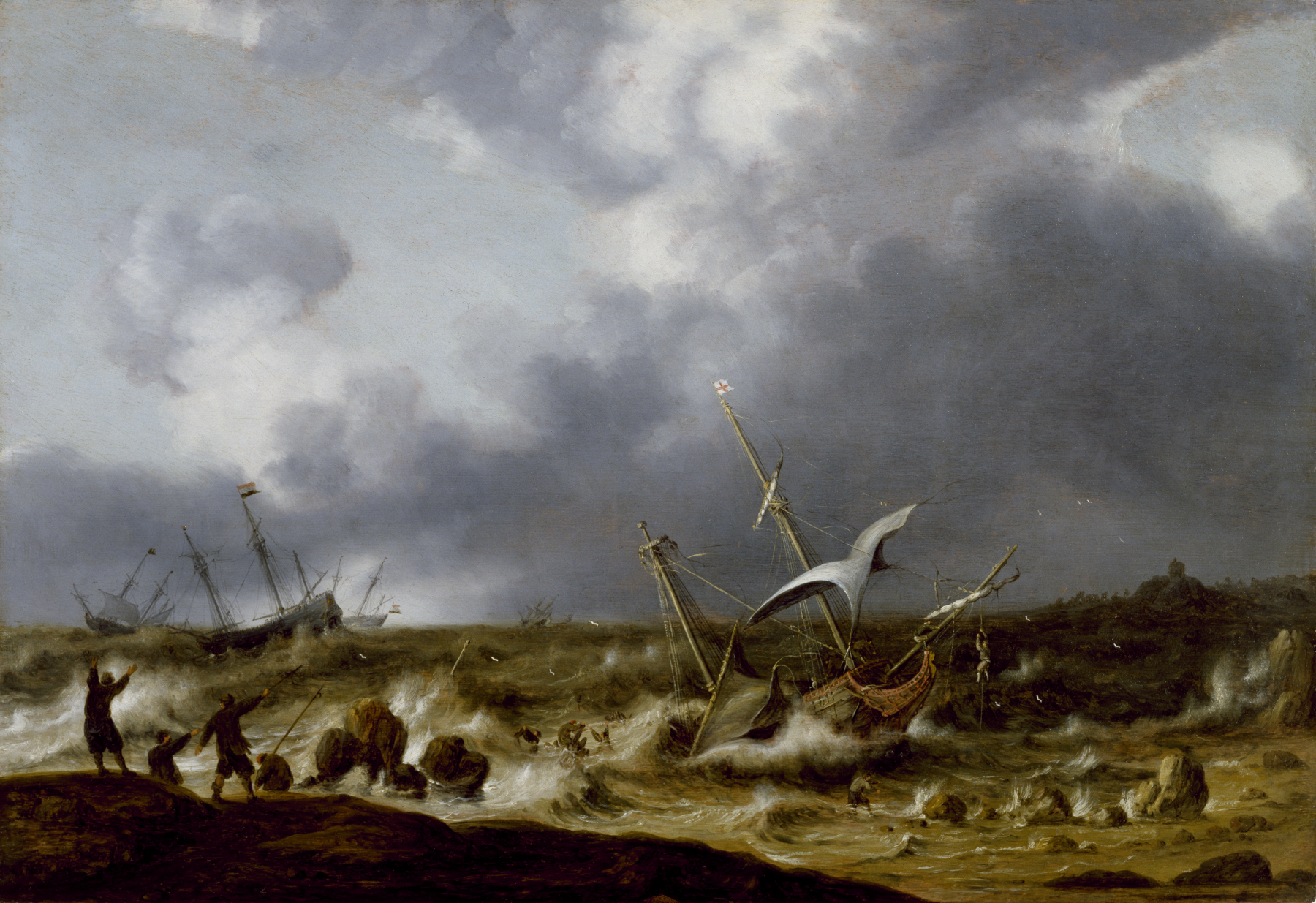
A dramatic maritime painting by Willem Van Diest. The painting shows a vessel wrecked during a storm. Such scenes reflect the dangers faced by sailors and merchants during the Age of Sail, when maritime trade connected Europe with the wider world. Courtesy of the Walters Art Museum, Credit: (Henry Walters/Public Domain)
How Historians Identified the Lost Vessel
The breakthrough in identifying the shipwreck now known as Dom van Keulen came through a combination of both archival research and maritime archaeology. Independent historian Ian Friel uncovered previously overlooked documents in the National Archives that described a vessel that sailed out from Morocco to the Netherlands. On their return voyage, the Dom van Keulen encountered severe storms and "much tempestuous weather" before springing a leak and sinking near Salcombe, Devon, on England's south coast. Miraculously, the entire crew survived this disaster.
These historical records provided a crucial link that could link both archaeological remains and a documented seventeenth-century voyage. Following the shipwreck's discovery in 1995, Professor Dave Parham of Bournemouth University gained the opportunity to work alongside the Southwest Maritime Archaeology Group and Venetia Porter, former Senior Curator for Islamic and Contemporary Middle Eastern Art at the British Museum, to investigate the ship and its unusual cargo. Their decades-long collaboration ultimately transformed an unidentified shipwreck into a documented chapter of maritime history, revealing the story behind one of Britain's most intriguing shipwreck discoveries.
Their dates, mint locations, and circulation patterns were instrumental in establishing when the ship was operating. Archaeologists had to compare physical remains with documentary records while ruling out numerous possibilities. Advances in conservation, imaging technology, and historical research would, over time, allow investigators to build a clearer picture of the vessel's origins and final voyage. Initially, the shipwreck looked to be a straightforward treasure discovery, but eventually it evolved into a complex historical puzzle requiring expertise from multiple disciplines.
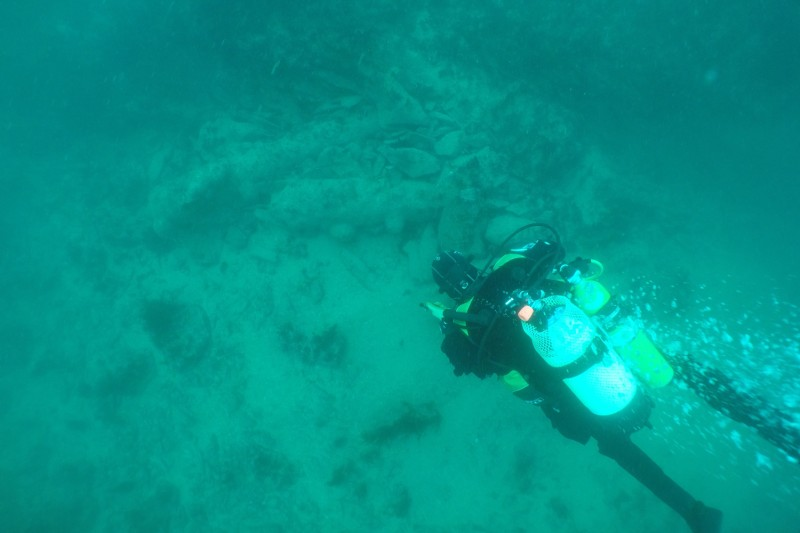
A diver investigates cannon remains at the wreck site of the Dutch trading ship Dom van Keulen, which sank off the coast of Devon in 1633 while carrying cargo from Morocco to the Netherlands. Credit: (Bournemouth University/South West Maritime Archaeology Group SWMAG).
What 400 Gold and Silver Coins Revealed About the Ship's Identity
More than 400 gold and silver coins were recovered from the wreck and later became some of the most significant clues throughout the investigation. Their dates, mint locations, and circulation patterns would’ve greatly helped establish exactly when the ship was operating and which trade networks it may have been involved in. Coins often travel widely, but when studied alongside other artifacts, they can reveal economic connections between regions that range over vast distances. The coins provided important chronological and commercial clues, although archival research ultimately proved decisive in identifying the vessel. In this case, numismatic evidence helped narrow the field of possible candidates for identification.
- A Centenary Of Modern Naval History 1616 to 1716
- Well-preserved Medieval ‘Super Ship’ Discovered Off Copenhagen Coast
Reconstructing the Ship's Final Voyage
Once the vessel was properly identified, researchers could begin reconstructing its story. Historical records revealed important details about the vessel's route, cargo, and commercial purpose. The findings transformed the shipwreck from an anonymous collection of artifacts into a human story involving merchants, sailors, and investors whose sheer fortunes depended upon successful voyages. The ship’s unfortunate loss also illustrated the risks of seventeenth-century overseas trade, when even the most valuable cargo could disappear beneath the sea in a single disaster.
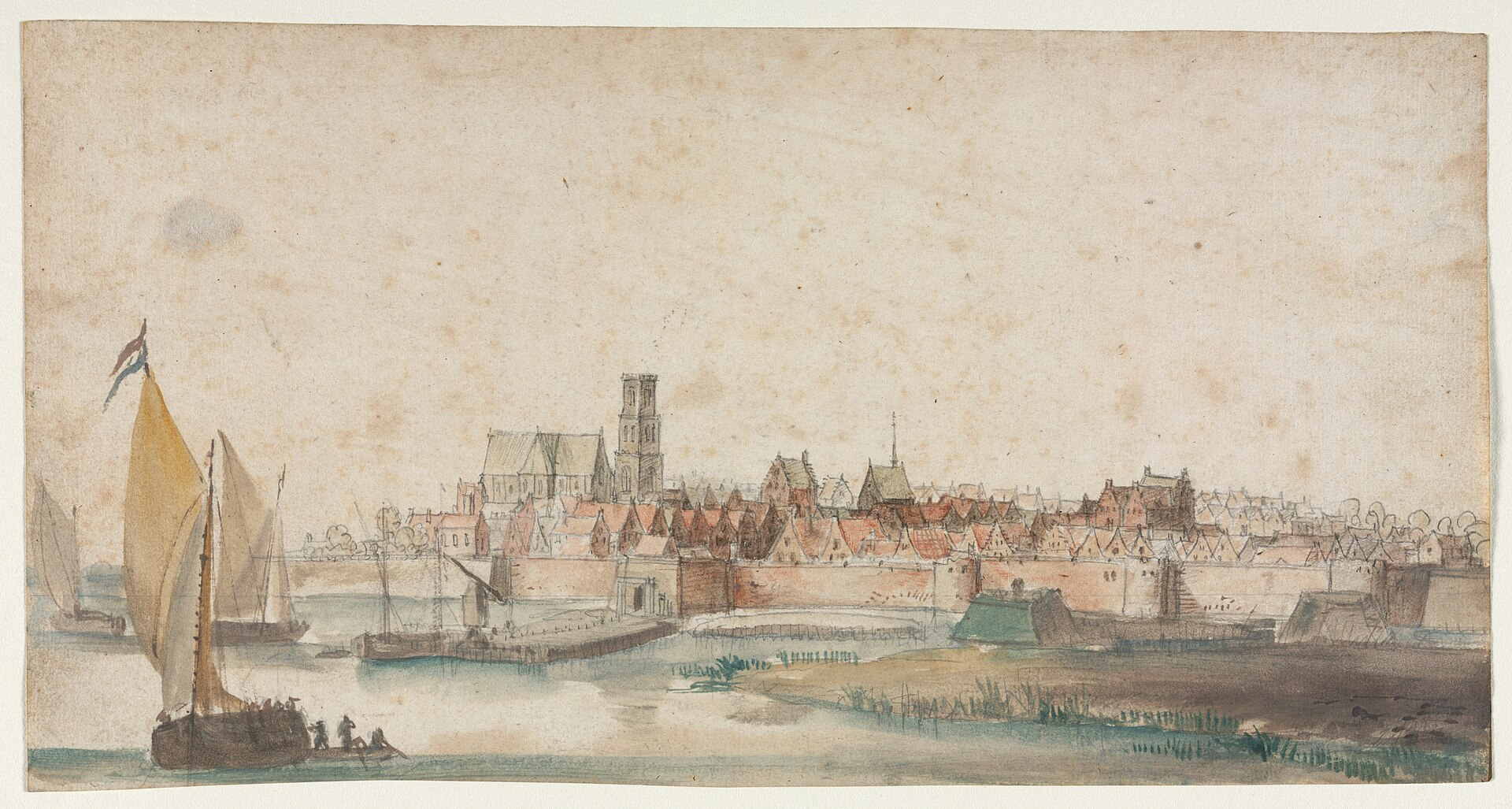
View of a Dutch harbor town with sailing vessels. Credit: (Dudley P. Allen Fund/CC0 1.0)
What the Dom van Keulen Tells Us About 17th-Century Trade
Beyond solving a shipwreck mystery, the investigation also offers a window into the economic and political world within the broader world of the seventeenth century. Maritime trade fueled the rise of powerful commercial states and connected markets across whole continents. The cargo illustrates how closely connected North African and European economies had become during the seventeenth century, when merchants routinely transported precious metals, textiles, and luxury goods across maritime trade routes. The wreck also demonstrates how archaeological discoveries can illuminate aspects of daily life and overseas commerce that are only partially preserved within written records.
- A Brief History of a Dutch Island - Manhattan
- Johan de Witt: The Failed Politician who was Cannibalized by his Opponents
A Historical Puzzle Finally Solved
The identification of the shipwreck after thirty years highlights a vast amount of patience required in archaeological research. Rather than relying on a dramatic single discovery, investigators were able to combine evidence from artifacts, coins, ship construction, and historical archives to resolve the mystery of the shipwreck. The result is more than the identification of a lost vessel. It is a reminder that the world's oceans can still bring forth untold stories from our past and that even centuries-old mysteries can sometimes be solved through careful scholarship and a methodical scientific investigation.
Top Image: Gold coins recovered from a seventeenth-century Dutch shipwreck. The coins, bearing Arabic inscriptions, provide evidence of long-distance trade networks and global commerce during the early modern period. Source:CC0 1.0
By Ramsey Hardin
References
Bournemouth University. “Mystery of 17th Century Shipwreck Holding 400 Gold Coins Finally Solved After 30 Years.” Bournemouth University News. June 18, 2026.https://www.bournemouth.ac.uk/news/2026-06-18/mystery-17th-century-shipwreck-holding-400-gold-coins-finally-solved-after-30-years
British Museum, “Examples of the Gold Coins Recovered from the Wreck,” image, EurekAlert!, June 18, 2026,https://www.eurekalert.org/multimedia/1136753
Parham, Dave, and Venetia Porter, eds. From Morocco to the Coast of England: The Story of the Dom van Keulen and Its Remarkable Cargo. London: British Museum Press, 2026. Referenced in Bournemouth University and EurekAlert announcements.
























