
A limestone monument found at Kibyra in southwestern Turkey has revealed how Roman-era visitors sought divine advice by throwing animal ankle bones. The study “A New Astragalos Oracle Text from Kibyra”, published in Gephyra in 2026, examines 56 possible answers preserved across the stone’s four inscribed sides. The find is especially valuable because it retains the numerical instructions needed to connect each throw with its message.
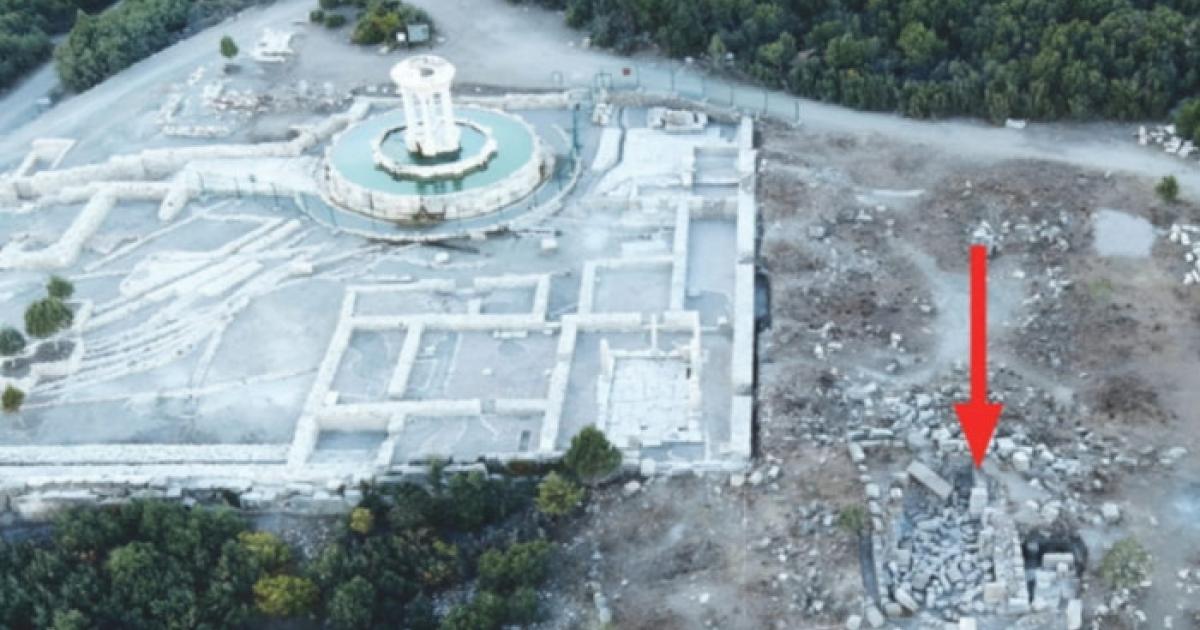
Archaeologists uncovered the block in 2024 on the third terrace of Kibyra’s agora, although it had later been reused in the wall of a chapel. The ancient city lies near modern Gölhisar in Burdur Province, at a crossroads linking several regions of southwestern Anatolia, according to UNESCO’s background record on Kibyra. Researchers Şenkal Kileci, Nihal Tüner Önen and Şükrü Özüdoğru place the practice within the Roman Imperial period, when similar monuments appeared across southern Asia Minor.
How the Knucklebone Oracle Worked
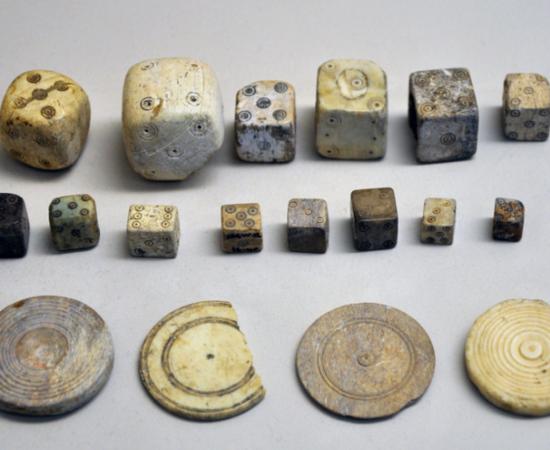
The practice, known as astragalomancy, used small ankle bones from sheep, goats or calves. Each bone had four usable faces, assigned the values 1, 3, 4 and 6, Archaeology Magazine’s report notes. The oracle in this case had a possible 56 responses in total encribed on the sides of the square pillar. The messages addressed ordinary anxieties, including journeys, business, money, illness and disputes.
The Kibyra text therefore belongs to the same broad family as the ancient knucklebones used for divination documented elsewhere in the eastern Mediterranean. It also fits a wider history of ancient divination, in which written answers, lots, or random selections helped people confront uncertain choices. Unlike a distant sanctuary that required a special journey, a monument in an agora could be consulted during everyday activity.
- 2300-year-old Knucklebones Used for Divination Found In Israel
- Ancient Coptic text revealed to be divination tool for predicting the future
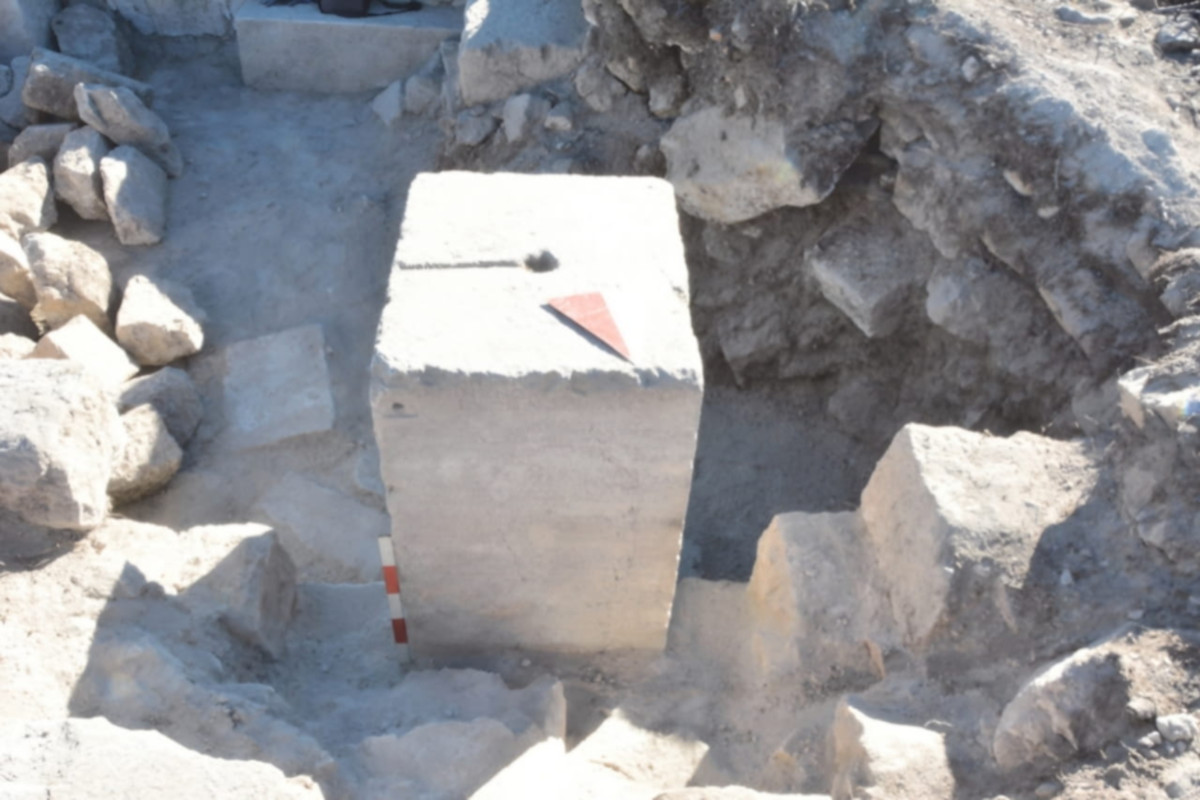
The astragalos oracle monument found at Kibyra bearing 56 possible answers. (Ş. Kileci et al., Gephyra/CC BY-NC-SA 4.0)
Hermes, Donors and Local Variations
An inscription at the top indicates that a benefactor financed the oracle monument, a statue of Hermes, its pedestal and surrounding architectural features from personal funds. Hermes was associated with trade, travel, communication and the casting of lots, making him a fitting divine figure for a public installation that promised guidance to merchants and travelers. The stone also names Zeus, Athena, Apollo and Asclepius, showing that the answers drew on a wider Greek religious vocabulary.
The monument was not simply a standardized machine for producing identical predictions. Its wording resembles examples from Kremna, Termessos, Ormeleis and Adada, yet the researchers identify grammatical mistakes, altered lines and irregularities in the Greek meter. Such differences may reflect stonecutters’ copying errors or local adaptations, much as other traditions of prophecy and oracles developed distinctive forms in different communities.
- Prophecy Through the Ages: Society, Power and Legend
- Reading Oracle Bones and Writing the Future in the Shang Dynasty
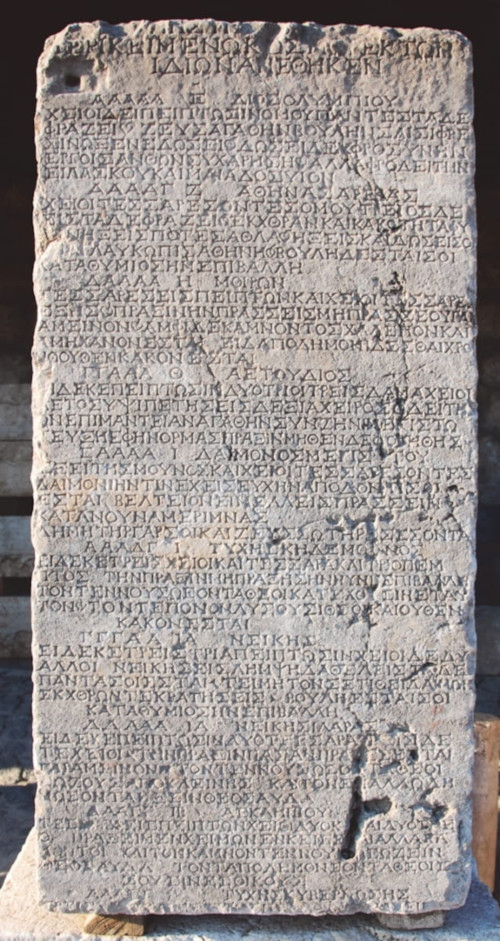
Inscription on Face A of the astragalos oracle monument. (Ş. Kileci et al., Gephyra/CC BY-NC-SA 4.0)
A Glimpse of Everyday Religious Life
The Kibyra discovery places divination inside the social world of a busy Roman city rather than treating it as an isolated ritual. An oracle beside shops, streets and gathering places could have offered reassurance about a sick relative, a risky journey or a proposed venture. Its later incorporation into a chapel wall also shows how an object tied to older religious practice survived through changing uses of the city.
The study’s value lies not only in the number of answers provided, but in the unusually complete record of how the answers were selected. Alongside other evidence for lot divination at Fortuna’s Roman sanctuary, the Kibyra monument shows that people across the ancient Mediterranean looked for guidance through systems that combined chance, poetry, public space and the authority of the gods.
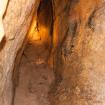
Top image: The excavation area where the oracle monument was found. Source: Excavation Archive, from Ş. Kileci et al., Gephyra/ CC BY-NC-SA 4.0
By Gary Manners
References
Cowie, A. 17 August 2022. 2300-year-old Knucklebones Used for Divination Found In Israel. Available at: /news-history-archaeology/knucklebones-0017149
Kileci, Ş., Tüner Önen, N. and Özüdoğru, Ş. 2026. A New Astragalos Oracle Text from Kibyra: A Comparative Study with Southern Asia Minor Parallels. Gephyra, 31, pp. 257–294. Available at: https://dergipark.org.tr/en/pub/gephyra/article/2002699
Leafloor, L. 4 June 2018. Ancient Coptic text revealed to be divination tool for predicting the future. Available at: /news-history-archaeology/ancient-coptic-text-revealed-be-divination-tool-predicting-future-002647
Mount, M. 21 May 2021. Prophecy Through the Ages: Society, Power and Legend. Available at: /history-ancient-traditions/ancient-prophets-0015350
Radley, D. 12 October 2026. Roman-era oracle found in Turkey offered 56 answers through sheep bone throws. Available at: https://archaeologymag.com/2026/10/oracle-found-in-turkey-offered-56-answers/
UNESCO World Heritage Centre. n.d. Ancient city of Kibyra. Available at: https://whc.unesco.org/en/tentativelists/6123/