
Divers descending around 40 meters into the waters surrounding the Greek island of Andros have found an estimated 600 to 650 intact transport amphorae scattered across the seabed exactly where a 2,400-year-old merchant vessel’s voyage ended in tragedy. Archaeologists from Greece's Ephorate of Underwater Antiquities have confirmed the discovery of a well-preserved merchant shipwreck resting beneath the Aegean Sea.
- Into the Drink! Roman Shipwreck Stocked with Amphorae Found Near Cyprus
- 8 Ancient Voyages That Changed the World

Close-up of transport amphorae preserved within the cargo of the Andros merchant shipwreck. Three representative amphorae recovered for study include vessels from Mende, Peparethos (Skopelos), and the Solokha 2 type, helping date the wreck to the late fifth or early fourth century BC and providing new evidence for Aegean trade networks. (Hellenic Ministry of Culture/Ephorate of Underwater Antiquities)
Private Individual Alerts Archaeologists to Mystery on the Seafloor
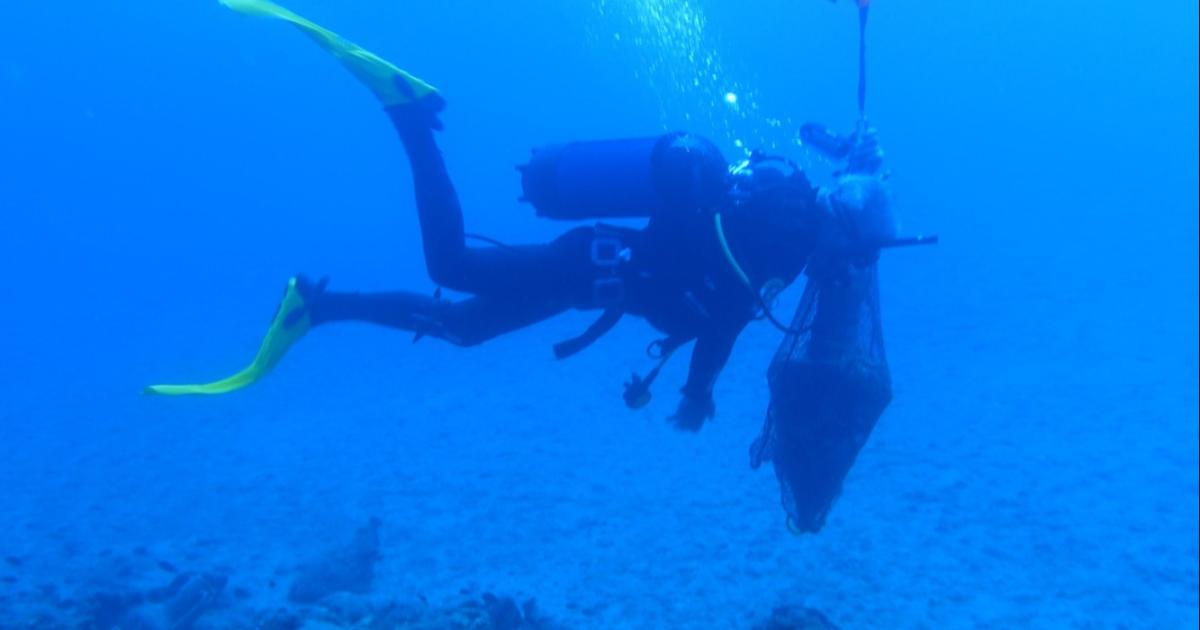
Acting on information from a private citizen, Greece's Ministry of Culture dispatched a three-person dive team to investigate unusual material on the seafloor. Archaeologist Dionysios Evangelistis, conservator Angelos Tsompanidis, and seabed technician Louis Mersenier carried out the underwater inspection. They also recovered part of a lead anchor stock and identified stones that may have served as ballast. Small as they are, these pieces could tell researchers something about how the ship was built, how much it could carry, and exactly how it came to rest on the seabed.
A Busy Shipping Route
Andros is located at the crossroads between the Saronic Gulf and the Myrtoan Sea, which makes it a reference point for sailors seeking shelter or fresh water. Researchers hypothesize that the ship was heading south, toward either Piraeus or the eastern Peloponnese, loaded with wine from the northern Aegean islands and the Black Sea region.
- Three Ancient Shipwrecks Still With Cargo Found Off Greek Island
- Shipping Blackspot: Largest Find of Shipwrecks in the Mediterranean Intensifies
The shipwreck dates to the late 5th or early 4th century BC, the late Classical period, a time when underwater archaeological evidence in the central Aegean is scarce. The find offers a snapshot of Classical-era maritime trade and promises new insights into the commercial networks that once connected the Greek world. The Late Classical Period was a time of intense maritime activity, near the end of the Peloponnesian War, the beginning of Spartan dominance, and the brief rise of Thebes. The trade routes thrived despite power struggles, with the central and southern Aegean routes supplying the city-states.
Commercial Amphorae: Shipping Containers of the Ancient World
The cargo consisted entirely of commercial amphorae with pointed bases, the shipping containers of the ancient world. These ceramic containers were used to transport wine, oil, or salted products, and their pointed design facilitated storage in ship holds and optimized space during the voyage. Three distinct amphora types have been documented so far, suggesting cargo that originated from different trade networks across the Aegean, including the northern Greek islands and the Bosporus region. One example of each type was raised for physicochemical analyses:Mendaean amphorae, produced in Mende on the Kassandra Peninsula of Halkidiki, for transporting high-quality wine; Peparethian amphorae, associated with the island of Peparethos (modern-day Skopelos), another important wine-producing center; and Solokha 2 amphorae, a type associated with trade routes into the northern Aegean and Black Sea.Conservation work will analyze the clay, the workshops, and the contents of the amphorae. Their shapes, the clay they were made of, and any stamped markings can reveal the point of origin, giving researchers information to track how goods moved between ports. Northern Aegean amphorae frequently traveled long distances, turning up in Athens, the Black Sea, and other markets well beyond where they were made.
- Ten Shipwrecks Spanning 5,000 Years of History Spotted off Kasos Island
- Digging the Deep Blue: Challenges and Triumphs in Underwater Archaeology
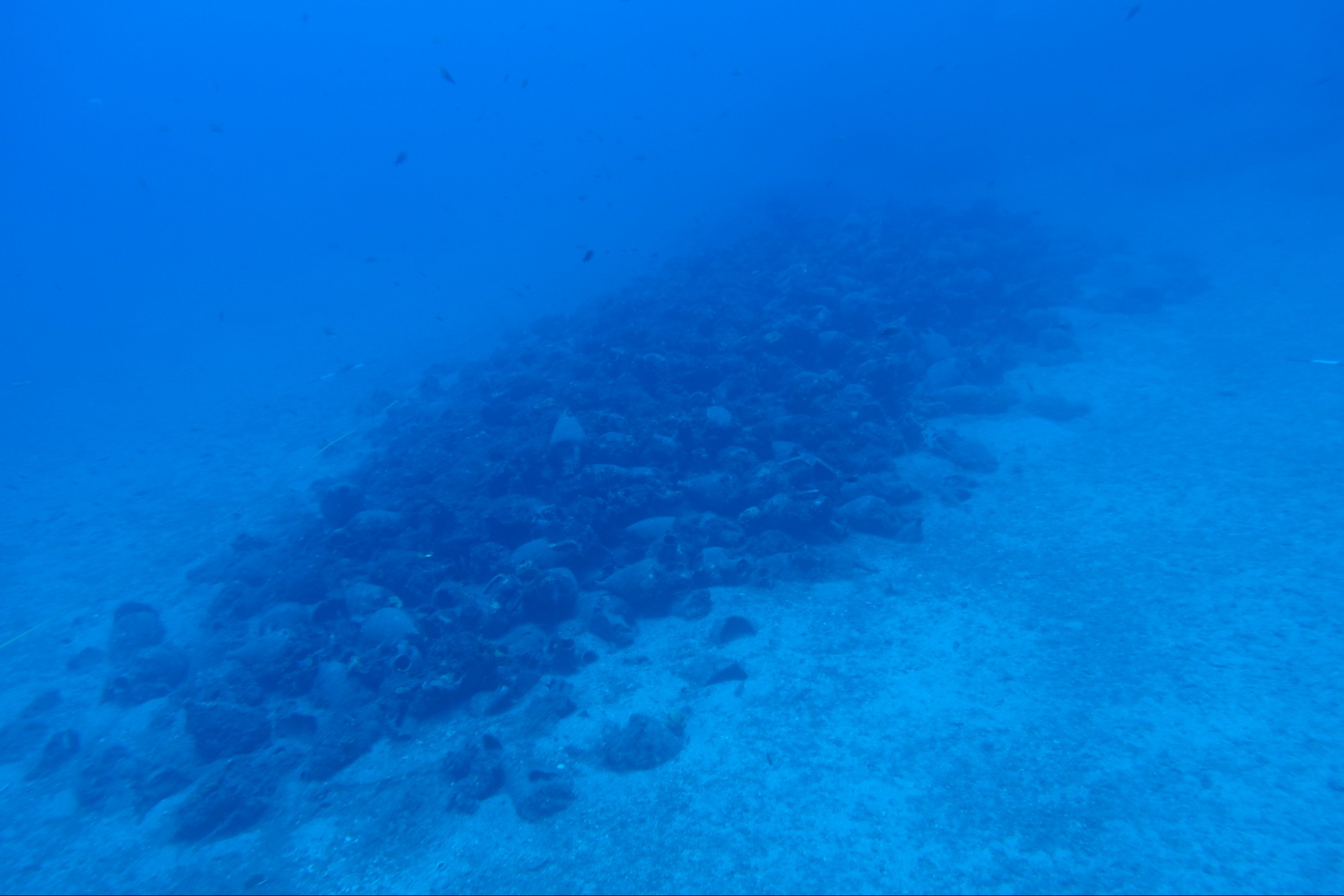
General view of the concentration of transport amphorae resting on the seabed at the Andros shipwreck. Archaeologists estimate that roughly 600–650 commercial amphorae remain preserved at the site, making it one of the richest recently documented Classical-period wrecks in Greek waters. Hellenic Ministry of Culture/Ephorate of Underwater Antiquities
One of the Most Substantial Ancient Cargo Discoveries in Greek Waters
The Ministry of Culture has called it one of the most substantial ancient cargo discoveries in Greek waters in recent years:
“This exceptionally interesting discovery enriches our knowledge of trade and seafaring during the Late Classical period. Further study of the site will undoubtedly yield additional insights into both the vessel’s cargo and its origin,” the Ministry said in a statement.
Researchers still need to determine what was stored in the amphorae (most likely wine or oil), where the voyage began, and whether Athens, the prominent trade hub of the era, was the intended destination.
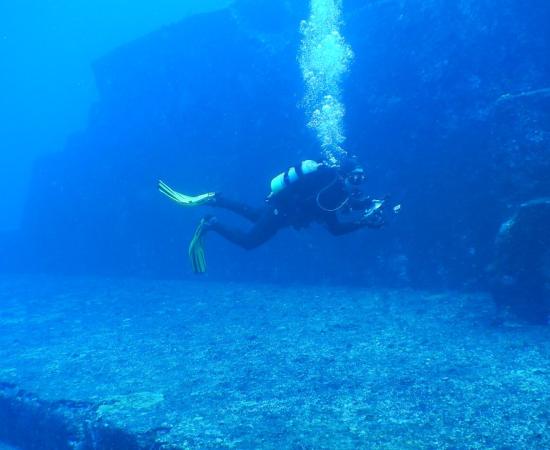
Top Image: An underwater archaeologist from Greece's Ephorate of Underwater Antiquities documents the newly discovered merchant shipwreck off Andros Island. Source: Hellenic Ministry of Culture/ Ephorate of Underwater Antiquities
By Ramsey Hardin
References
Altuntas, Leman. 2026. “Archaeologists Find 5th-Century BC Shipwreck with Up to 650 Amphorae off Andros.” Arkeonews (August). https://arkeonews.net/archaeologists-find-5th-century-bc-shipwreck-with-up-to-650-amphorae-off-andros/.
Hellenic Republic Ministry of Culture. 2026. “Ancient shipwreck discovered on the island of Andros.” Hellenic Republic Ministry of Culture. https://www.culture.gov.gr/el/Information/SitePages/view.aspx?nID=5751.
Kokkinidis, Tasos. 2026. “Ancient Shipwreck Off Andros Reveals 600 Amphorae From Classical Greece.” The Greek Reporter, (July). https://greekreporter.com/2026/07/31/ancient-shipwreck-andros-classical-greece/.
Milligan, Mark. 2026. “Ancient shipwreck carrying hundreds of amphorae discovered off Andros.” Heritage Daily, (August). https://www.heritagedaily.com/2026/08/ancient-shipwreck-carrying-hundreds-of-amphorae-discovered-off-andros/158815.
Weinman, Steve. 2026. “Divers find 600-amphora wreck off Greek island.” Divernet Scuba News, (August). https://divernet.com/scuba-news/archaeology/divers-find-600-amphora-wreck-off-greek-island/.