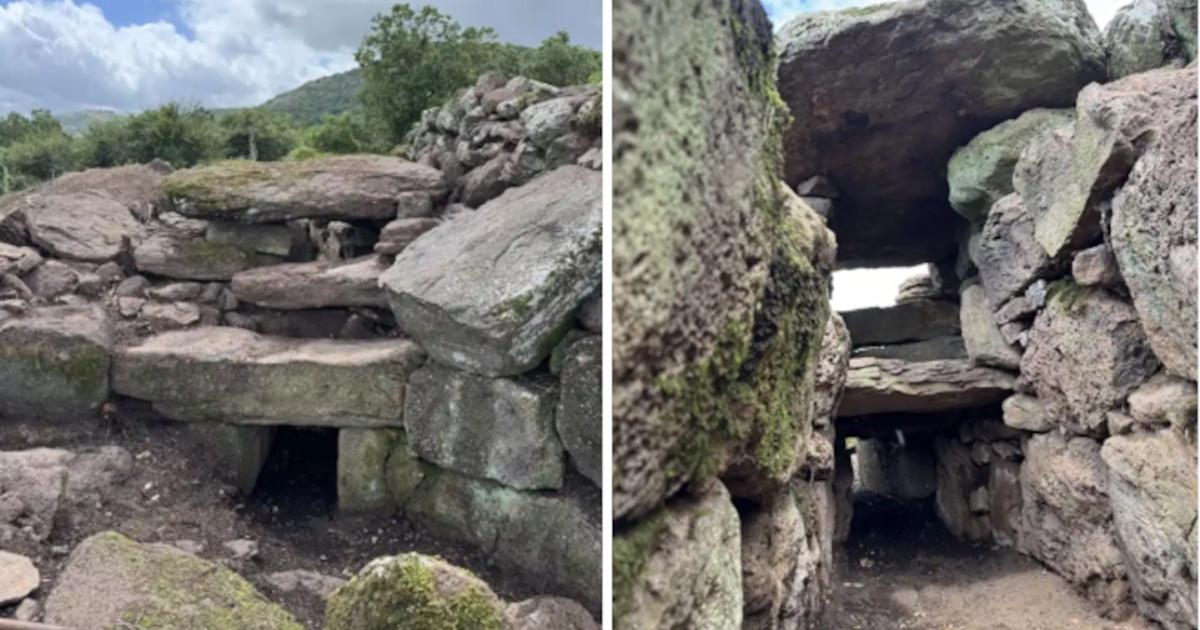

An exceptional archaeological discovery in central-western Sardinia has brought a rare Bronze Age "Tomb of the Giants" back into the light. Hidden for centuries beneath dense Mediterranean vegetation, the monumental structure at the Carrarzu Iddia archaeological site near Macomer features a unique two-level interior that could reshape our understanding of ancient Nuragic civilization burial rituals. The finding, located at an altitude of 740 meters (2,428 feet), offers a sweeping view of the surrounding landscape, highlighting the strategic importance of this sacred space to its ancient builders.
The excavation and clearing of the site were spearheaded by the two Superintendences of Archaeology, Fine Arts, and Landscape of Sardinia. Built from robust trachyte blocks, the tomb preserves its primary architectural elements, including the burial chamber and the iconic semicircular exedra. This forecourt was not merely decorative; it served as a vital gathering place where Nuragic communities performed ceremonies to honor their ancestors.

Detail of the unexcavated entrance to the Giants' Tomb. (Soprintendenza Archeologia, belle arti e paesaggio per la città metropolitana di Cagliari e le province di Oristano e Sud Sardegna)
A Unique Architectural Mystery
The Carrarzu Iddia tomb stands out from the other 800 identified Giants' tombs in Sardinia due to its unique architectural element found in the burial chamber. The interior of the tomb has been split into two levels. This bi-level design is an architectural rarity as it is not seen in similar Bronze Age structures.
Archaeologists would like to find out whether the divide and rift serves as a structural operation or bears special symbolic significance concerning burial traditions. The tomb has been ransacked by thieves in the past but archaeologists managed to recover some pieces of pottery from the chamber. These findings indicate that the tomb was active in the early phases of the Nuragic civilization, dating it back to approximately 1800 BC.
- The Mont'e Prama Giants: A Massive Archaeological Mystery
- Sardinian Sacred Secrets: Bronze Age Towers Reborn as Iron Age Temples
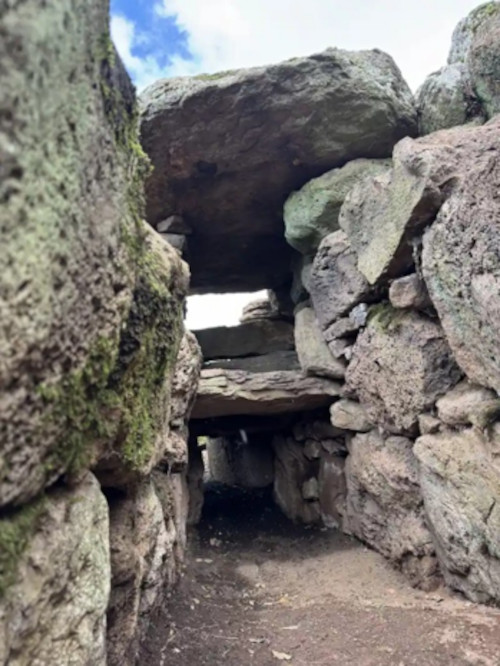
A view of the interior of the tomb once excavated. (Soprintendenza Archeologia, belle arti e paesaggio per la città metropolitana di Cagliari e le province di Oristano e Sud Sardegna)
A Landscape of Continuous Sacred Use
The newly uncovered tomb is just one piece of a much larger prehistoric puzzle at Carrarzu Iddia. The surrounding archaeological complex is incredibly rich, featuring two proto-nuraghi (early forms of the famous Sardinian stone tower), a sacred well, a residential settlement, and a vast burial ground.
Interestingly, the presence of an older dolmen at the site indicates that the area was used for funerary and ritual purposes long before the Giants’ Tomb was constructed. This continuous occupation from the pre-Nuragic period through the Roman era paints a picture of a highly organized society that deeply valued this elevated, panoramic location. The placement of the tomb on the southern slope of Crastu Littu allowed it to dominate the Macomer plain, reflecting a deliberate territorial strategy by the ancient builders.
- The Coddu Vecchiu Tombs of Giants: Nuragic Burials and Mysteries
- Were the Anunnaki the Architects of the Towers and Tombs of Sardinia?
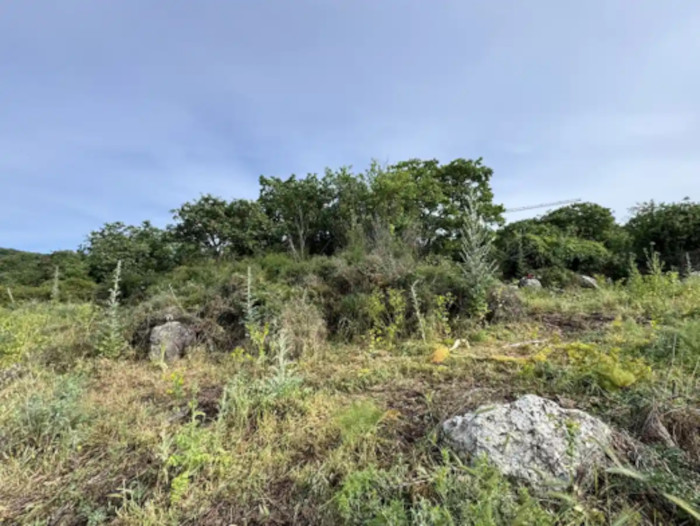
The overgrown tomb at the time of its discovery. (Soprintendenza Archeologia, belle arti e paesaggio per la città metropolitana di Cagliari e le province di Oristano e Sud Sardegna)
Unlocking the Secrets of the Past
The term "Giants’ Tomb" was coined by later inhabitants of Sardinia who believed the massive megalithic stones could only have been moved by beings of superhuman size. However, archaeological evidence confirms these were communal graves for ordinary humans. The evolution from simpler dolmens to these grand structures highlights a significant cultural shift towards monumental architecture and collective burial practices.
Future excavations at Carrarzu Iddia will focus on further exploring the burial chamber and analyzing the recovered pottery. Researchers hope that by studying the unique split-level interior, they can unlock new insights into the religious beliefs and construction techniques of one of Europe’s most enigmatic ancient cultures.
Top image: The newly discovered Tomb of the Giants at Carrarzu Iddia. Source: Soprintendenza Archeologia, belle arti e paesaggio
By Gary Manners
References
Finestre sull'Arte. 2026. Sardinia: A monumental Tomb of the Giants Discovered Near Macomer. Available at: https://www.finestresullarte.info/en/archaeology/sardinia-a-monumental-tomb-of-the-giants-discovered-near-macomer
Greek Reporter. 2026. Rare Bronze Age "Tomb of the Giants" Discovered in Sardinia. Available at: https://greekreporter.com/2026/07/31/giant-tomb-sardinia-bronze-age/
La Brújula Verde. 2026. One of the Oldest Giants’ Tombs Discovered in the Archaeological Site of Carrarzu Iddia, in Sardinia. Available at: https://www.labrujulaverde.com/en/2026/07/one-of-the-oldest-giants-tombs-discovered-in-the-archaeological-site-of-carrarzu-iddia-in-sardinia/
Soprintendenza Archeologia, belle arti e paesaggio. 2026. Bortigali, scoperta una Tomba dei Giganti nell’area archeologica di Carrarzu Iddia. Available at: https://sabapca.cultura.gov.it/notizie-ed-eventi/news/bortigali-scoperta-una-tomba-dei-giganti-nellarea-archeologica-di-carrarzu-iddia/