
A groundbreaking archaeological study reveals humanity's profound impact on animal body sizes across millennia. Researchers have uncovered evidence showing how human activities deliberately enlarged domestic animals while simultaneously shrinking wild species over the past thousand years.
Scientists from the University of Montpellier examined over 225,000 animal bones from 311 archaeological sites across Mediterranean France, spanning an unprecedented 8,000-year timeline. The study, published in the Proceedings of the National Academy of Sciences, demonstrates a dramatic shift in animal evolution beginning around 1,000 years ago during the Middle Ages.
For most of human history, wild and domestic animals evolved in sync with natural forces like climate and vegetation. However, the medieval period marked a turning point when human selection became the dominant evolutionary driver. Domestic animals were systematically bred for larger sizes to produce more meat, milk, wool, and labor power.
- Dogs and Foxes Were Domesticated By Bronze Age Humans
- How Domesticated Cattle Changed Life in Çatalhöyük
Medieval Revolution in Animal Selection
During the Middle Ages, agricultural practices transformed dramatically. Farmers began deliberately selecting the largest animals for breeding, creating a controlled evolutionary process that favored size over generations. This selective breeding resulted in progressively larger cattle, sheep, goats, pigs, and chickens compared to their wild ancestors.
The researchers found that domestic animals increased in body mass as humans prioritized productivity. Medieval farmers understood that larger animals provided greater economic returns through increased meat production, higher milk yields, and superior work capacity for agricultural tasks.
Meanwhile, wild animals faced the opposite evolutionary pressure. Human hunting activities and habitat destruction forced wild species like foxes, rabbits, deer, and wild boar to adapt by becoming smaller. Reduced body size became advantageous for survival in increasingly fragmented habitats with limited resources.
- A Woman's Best Friend: The Herstory of Dog Domestication
- Before Chicken Domestication, The 'Exotic' Birds Were
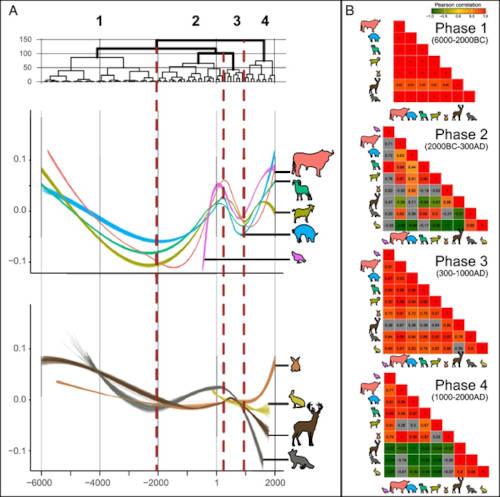
Diachronic trends in animal sizes. (Mureau et al./PNAS)
Archaeological Evidence Reveals Evolutionary Patterns
The comprehensive bone analysis revealed precise measurements of animal dimensions across centuries. Researchers examined length, width, depth, and dental characteristics to track morphological changes over time. They incorporated climate data, vegetation patterns, human population density, and land use information to understand the complex factors influencing animal evolution.
The study's authors explained that "natural selection prevailed as an evolutionary force on domestic animal morphology until the last millennium." Body size serves as a sensitive indicator of systemic environmental and social changes, revealing both resilience and vulnerability in evolving human-animal-environment relationships.
Archaeological evidence from Mediterranean France provides a unique window into this evolutionary transformation. The region's rich archaeological record allows scientists to trace continuous changes in animal morphology across millennia, offering insights into how human activities fundamentally altered the evolutionary trajectories of both wild and domestic species.
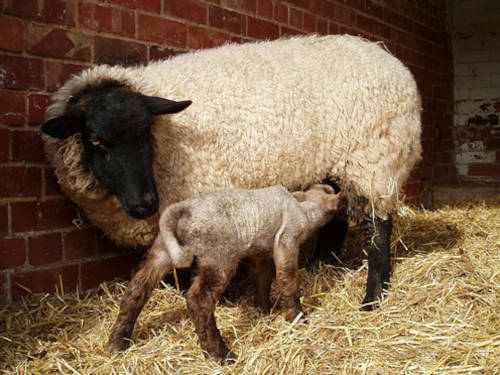
Sheep have been domesticated by humans for millennia. (CC BY-SA 2.0)
Modern Implications for Conservation
This research extends beyond historical curiosity, offering crucial insights for contemporary conservation efforts. Understanding how animals respond to human pressure through morphological changes provides early warning systems for modern conservation strategies. Decreasing body size in wild populations can signal environmental stress before population crashes occur.
The study demonstrates that human influence on animal evolution accelerated dramatically over the past millennium. Modern industrial agriculture, urbanization, and climate change represent intensified versions of medieval pressures that originally drove divergent evolutionary paths between domestic and wild animals.
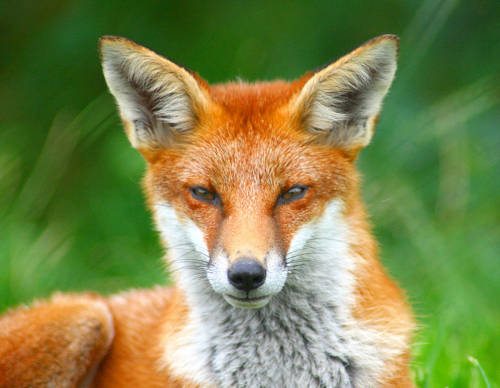
Wild fox representing species that have become smaller due to human pressures. (CC BY-SA 2.0)
Contemporary conservation biologists can use these findings to identify species at risk. Monitoring body size changes in wild populations provides an early detection method for environmental degradation and habitat fragmentation. The research suggests that human impact on animal evolution continues accelerating, making historical perspectives increasingly valuable for predicting future changes.
The study's implications extend to understanding how rapid environmental changes affect species adaptation. As climate change and human encroachment intensify, the lessons learned from 8,000 years of human-animal coevolution become essential for developing effective protection strategies for vulnerable wildlife populations.
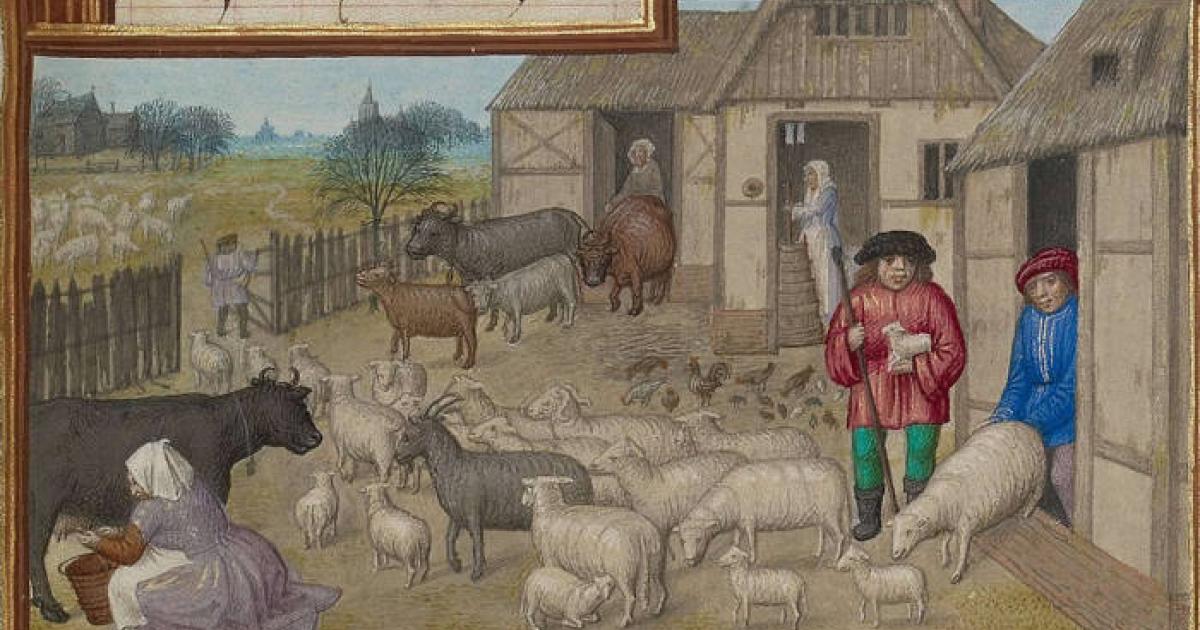
Top image: Medieval farming scene showing domestic animals and agricultural practices. Source: Public Domain
By Gary Manners
References
Earth.com. 2025. Humans have super-sized domestic animals and shrunk wildlife. Available at: https://www.earth.com/news/humans-have-super-sized-domestic-animals-and-shrunk-wildlife/?fbclid=IwY2xjawMvmwVleHRuA2FlbQIxMQABHn2kfK6RX5irl50ctzL8SQYnZ_j1_jGzRbYZ-qirgFwIGy6TN1MR7PJFL8X1_aem_0BsaUhBWBDoVo_2P-8qCnw
University of Montpellier. 2025. 8,000 years of wild and domestic animal body size data reveal long-term synchrony and recent divergence due to intensified human impact. Proceedings of the National Academy of Sciences. Available at: https://www.pnas.org/doi/10.1073/pnas.2503428122