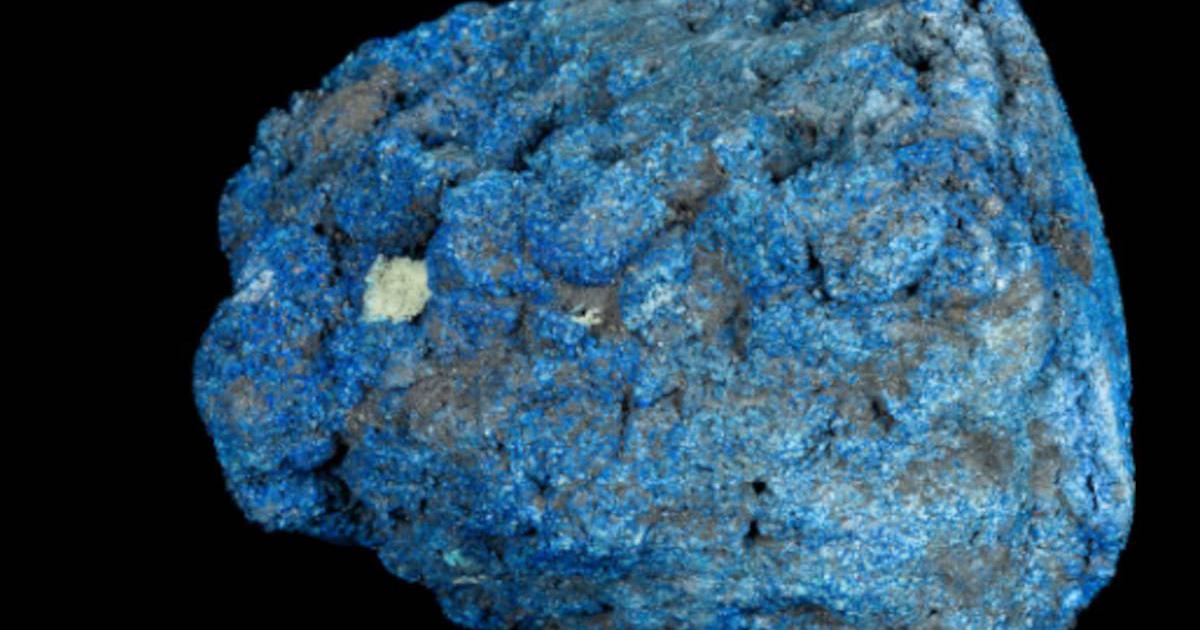

Recent archaeological investigations at the Domus Aurea, the spectacular palace built by Emperor Nero in the center of ancient Rome, continue to reveal fascinating insights about its construction and the advanced techniques used in its decoration. Among the most intriguing finds is a pair of jars, which were used during the palace’s creation to prepare lime and store pigments. These jars contained a wealth of pigments, which have been analyzed to reveal valuable details about the decorative materials used to adorn the imperial residence. One of the most notable items found in the jars was an exceptionally large ingot of Egyptian blue, a pigment renowned for its striking color and its popularity through multiple eras of history.
The recent excavations also uncovered traces of workshops where artisans would have crafted the materials used for decorating the frescoes that were found throughout the palace. These workshops were essential in preparing the various pigments, and the residues found in the jars offer new insights into the techniques and methods employed.
Through microscopic and spectroscopic analysis, the pigments found in these jars were identified. Among these materials were yellow ochre, realgar (a red pigment), and red earth, but the most surprising and significant find was the discovery of the ingot of Egyptian blue. Measuring six inches (15 centimeters) in height and weighing a hefty five pounds (2.4 kilograms), this ingot is an extraordinary find, as such large pieces of this pigment have seldom been recovered during archaeological digs. Egyptian blue is believed to be the world’s first synthetic pigment, which makes this discovery even more notable.
- Tracing the Legacy of Egyptian Blue: From Ancient Artifacts to Modern Insights
- Enchanting Hidden 'Sphinx' Chamber Discovered At Nero’s Golden Palace
What Was Egyptian Blue and Why Was It Special?
Egyptian blue, sometimes referred to as “frit,” is a synthetic pigment that was not found in nature. It was created by heating a mixture of silica, limestone, copper-containing minerals, and sodium carbonate to high temperatures.
This process, which involves complex chemistry, was first described by the Roman architect Vitruvius in his treatise De Architectura (Book VII, Chapter 11). Egyptian blue was first used in ancient Egypt and Mesopotamia, as early as the third millennium BCE, and it soon spread throughout the Mediterranean world, becoming an essential material in Roman art and decoration much later on.
The pigment was valued for its ability to create vibrant hues that could stand out even in the most finely detailed frescoes. Its versatility made it a prized tool for artists, who used it in a variety of ways, from creating subtle shadows in skin tones to adding depth to the folds of garments. Egyptian blue was also used to highlight the eyes in artistic depictions, giving them an almost glowing quality. Over time, the pigment became a hallmark of sophisticated Roman artwork, highly prized for the rich visual effects it produced.
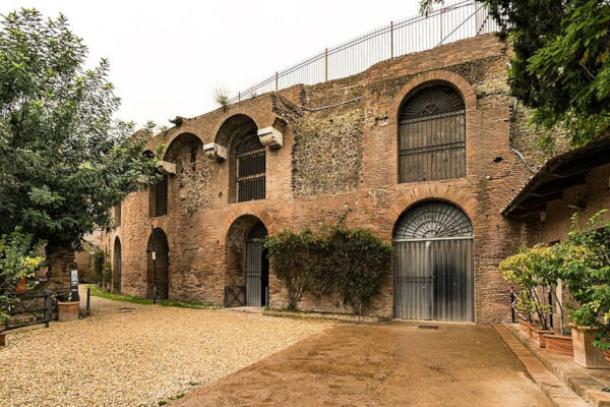
Exterior of Nero’s imperial palace, the Domus Aurea.(Rabax63/CC BY-SA 4.0).
The size and weight of the Egyptian blue ingot found at the Domus Aurea are especially notable. Typically, this pigment is discovered in powdered form or shaped into small spheres, as was the case in Pompeii.
- The Seven Hills of Rome: Center Stage in Rome’s Eventful History
- New Claims the Great Fire of Rome Was Exaggerated And Nero Was A Hero
The large size of the ingot discovered at Nero's palace suggests that the artisans working in the Domus Aurea were highly specialized and employed advanced methods in the creation of the palace's decorations. This find underscores the sense of splendor and luxury that the imperial palace would have provoked in its time, and highlights the skill and sophistication of the craftsmen who who were involved in its construction.
Nero’s Monumental Construction Project
The Domus Aurea, which translates to “Golden House,” was a monumental palace complex built by Emperor Nero following the great fire of 64 AD, which ravaged much of the city of Rome. The fire left a large part of the city in ruins, and Nero seized the opportunity to construct an immense imperial residence on the Oppian Hill, located in the heart of the city. The Domus Aurea was intended to be a symbol of Nero’s power and wealth, one that would guarantee he would be remembered by future generations.

Bust of the Roman Emperor Nero, on display in Italy’s National Archaeological Museum. (Sailko/CC BY-SA 4.0).
Construction of the palace began soon after the fire and continued for several years, with work being almost completed before Nero’s death in 68 AD. The sheer scale of the project and the rapid pace of its construction were unprecedented for the time, and stand as a testament to the brilliance of Roman architects and engineers. Nero took a personal interest in every detail of the design of the palace, and his obsession with getting it done as quickly as possible helped ensure its was finished in record time.
Artistic and Cultural Significance of Egyptian Blue
Alfonsina Russo, the director of the Colosseum Archaeological Park where the Domus Aurea can be found, spoke about the importance of these recent discoveries. She emphasized that the recovery of the Egyptian blue ingot, along with the other pigments, highlights the talent and dedication of the craftsmen who worked on the Domus Aurea’s decorations. Russo noted that these artisans used rare and costly materials, as well as sophisticated techniques that were far ahead of their time.
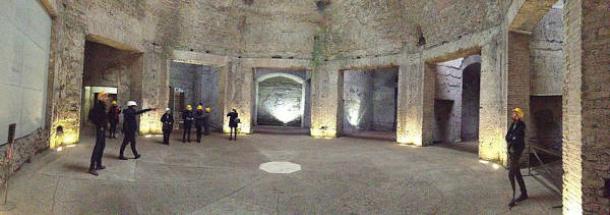
Interior of the Domus Aurea. (Davide Mauro/CC BY-SA 4.0).
"The fascination conveyed by the depth of blue of this pigment is incredible," she told the publication Finestre sull’ Arte. "The Domus Aurea once again excites and restores the brilliance of the colors used by the painters who skillfully decorated the rooms of this precious and refined imperial palace."
This discovery also holds significant implications for the study of Renaissance art. During the Renaissance, artists rediscovered the frescoes of the Domus Aurea, drawing inspiration from the rich decorative styles of ancient Rome. Raphael’s The Triumph of Galatea is one example of a famous work pf art that was influenced by the use of Egyptian blue.
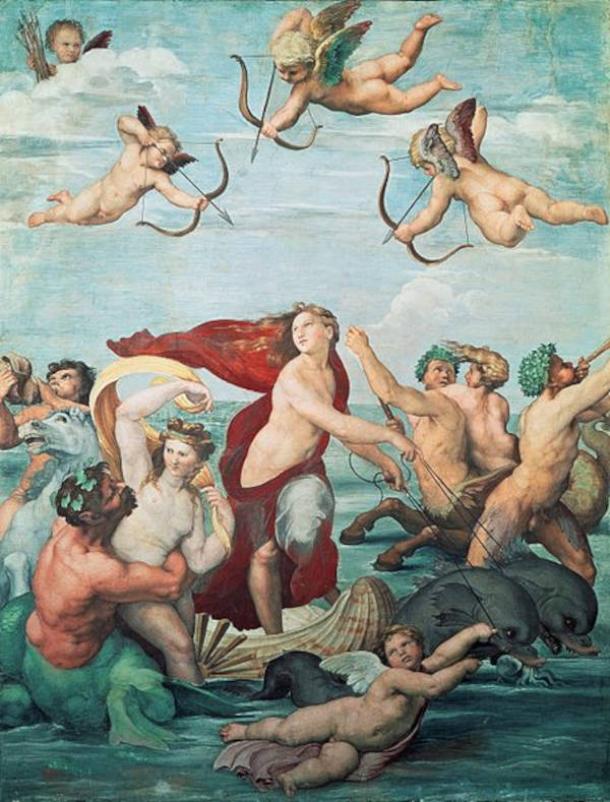
The Triumph of Galatia, a fresco painted by Raphael in 1512 using generous amounts of Egyptian blue. (Public Domain).
The findings at the Domus Aurea serve as a reminder of the remarkable technical and artistic achievements of the ancient Romans. The palace, with its luxurious decoration and innovative use of the highest quality materials, reveals the cultural sophistication embraced by the elites of the Roman Empire.
The Domus Aurea in an extraordinary architectural achievement, and it is also a vital storehouse of artistic knowledge and craftsmanship, producing surprising discoveries that continue to captivate scholars and delight art historians.
Top image: Large Egyptian blue ingot found at Nero’s Domus Aurea.
Source: Parco Archaeological del Colosseo.
By Nathan Falde