
For more than a thousand years, the dingo’s howl echoed across the Australian landscape, a common sound for Indigenous peoples. Far from being just wild animals, dingoes became hunting partners, camp companions, protectors, and spiritual symbols woven deeply into Aboriginal culture. Recent archaeological discoveries — including carefully arranged dingo burials and ancient remains found beside human settlements — are revealing a relationship built not simply on survival, but on trust, respect, and emotional connection. These findings are reshaping what historians and archaeologists understand about the bond between Australia’s First People and the continent’s most iconic wild canine.
Now, Australian researchers have found evidence that reveals a millennium-old dingo was not only ritually buried but deeply cared for during its life. Dingoes are Australia's wild dog. Asian seafarers brought this ancient breed of domestic dog to Australia about 4,000 years ago. In the traditional Barkindji language of Aboriginal Australians, “garli” is the word for dingo. The word gained international attention when researchers and the Barkindji custodians formally documented the dingo burial.
- Aboriginal Dreamtime Stories and the Creation Myths of Australia
- Dingoes Elevated to 'Almost-Human' Status in Pre-Colonial Australia
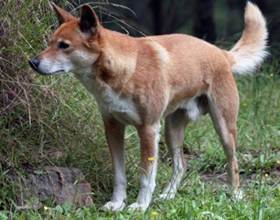
Golden dingo foraging in the bush. (Public Domain Photography/CC BY-SA 2.0)
A Garli Friend’s Death Shows the Complex Relationship Between Dingoes and Human Companions
The most recent findings, gathered through a collaboration between the University of Sydney and First Nations people, show that the complex social and cultural dynamics between Indigenous peoples and dingo companions have been drastically underestimated.
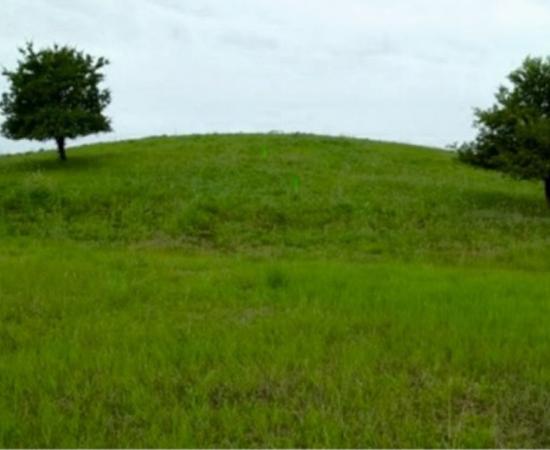
Researchers studying an ancient Indigenous settlement site found the remains of a dingo near a riverbank. He was interred in a midden, an ancient refuse pile that held discarded shells or domestic waste. This practice is significant in archaeology for providing highly preserved, calcium-rich burial environments.
Middens were not just trash piles. Many Indigenous cultures, such as the Birkindji in Australia, used these mounds as territorial markers, ceremonial sites, and cemeteries. Burial in a midden represented a spiritual connection to ancestors and daily life. Middens are considered treasure troves for reconstructing ancient human ways of life. They provide a record of past diets, environmental conditions, and cultural rituals.
Examination of the animal’s skeleton showed evidence of a healed fracture and food provided by humans. The animal was more than seven years old, according to the bone condition. The dingo’s care after death illustrates the animal’s importance to the Indigenous community.
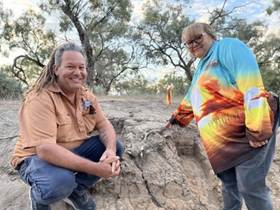
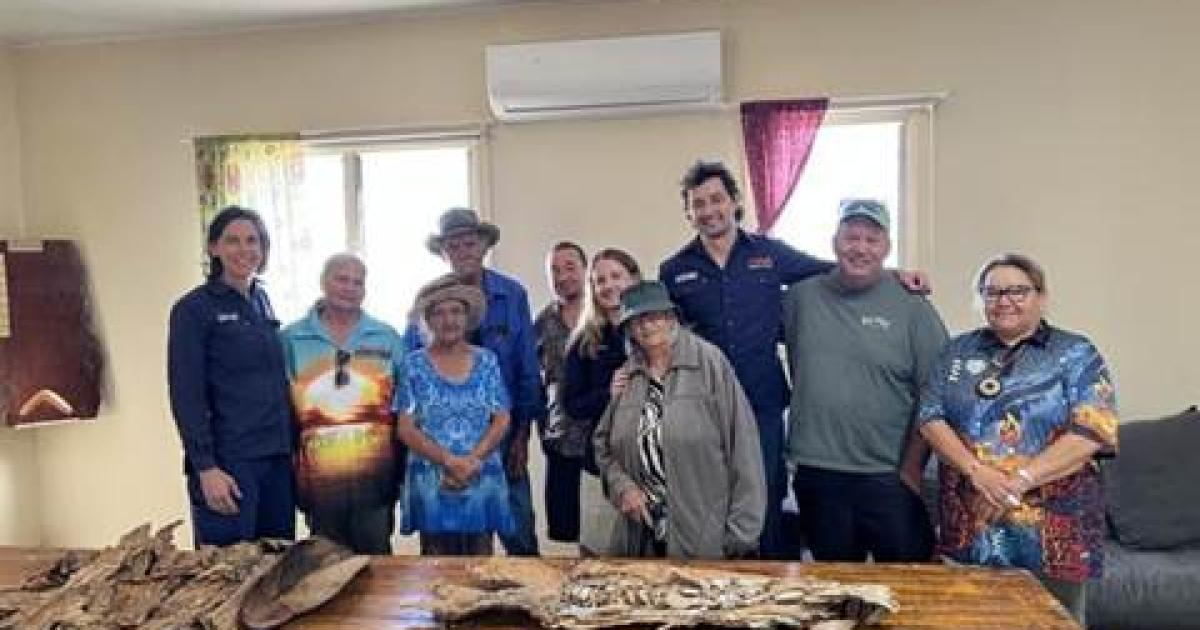
Dave Doyle (Barkindji custodian, research partner, and co-excavator of the Garli) and local custodian and artist Barb Quayle. (Dr Amy Way,Australian Museum)
Radiocarbon Analysis Provides Evidence of Dingo Treatment
Radiocarbon analysis dates the burial between 963 and 916 years ago, marking it an example of early Indigenous ritual practice surrounding animals. The grave site was actively maintained. The community even supplemented with river mussel shells for centuries after the dingo had passed away. This specific ritual, combined with the continued care, suggests that the animal was venerated as an ancestral figure. These rituals demonstrate a profound spiritual connection extending well beyond mere coexistence within the tribe itself.
- From Mighty Bear Dogs to Breathless Bulldogs: How Human Manipulation Has Changed the Shape of Canines Forever
- Sled dogs are closely related to the 9,500-year-old 'ancient dog.'
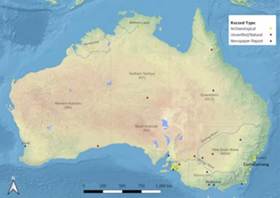
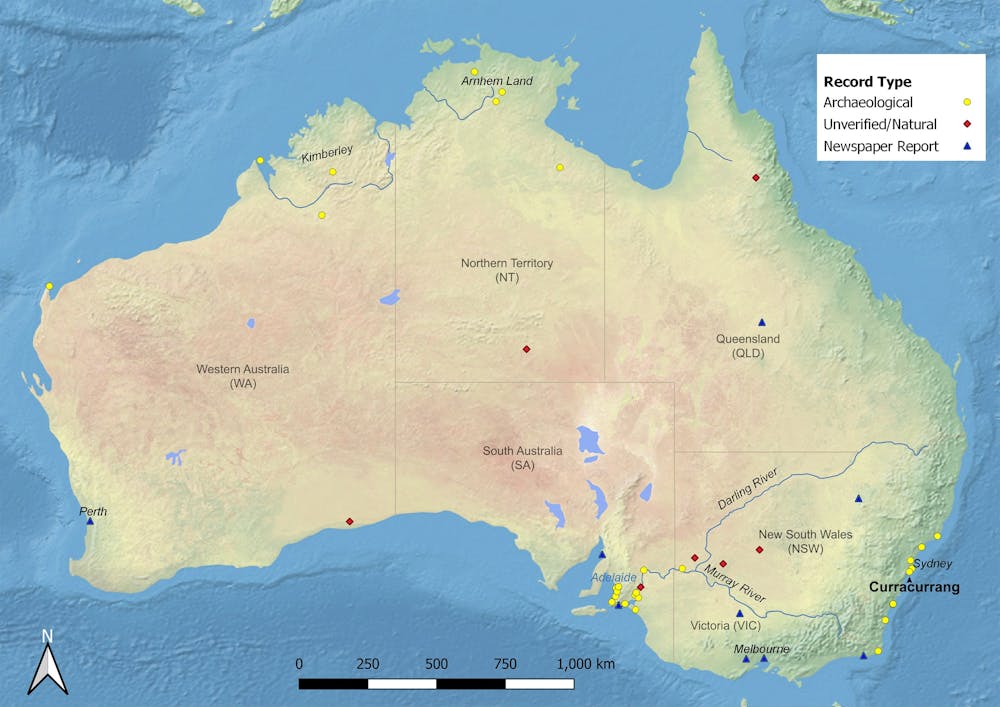
Map of Australia using data to show archaeological finds. The distribution of dingo burials is also reported in archaeological, historical, and news literature. Image credit: Loukas Koungoulos (Australian Geographic/CC BY-SA 2.0)
The burial site is unique because it is considered the first time in archaeological history that a “feeding” practice has been observed anywhere in the world. Dr. Amy Way, Project Leader, noted the importance of the discovery: “Barkindji people have always known about this cultural practice. This particular discovery is really powerful because it provides new details on the depth of such a venerated relationship between the Barkindji people and dingoes.”
Dr Way, who also serves as an archaeologist at the Australian Museum and a Lecturer in Archaeology at the University of Sydney, has worked closely with Barkindji custodians over the past five years, dating and recording their cultural heritage in Kinchega National Park, New South Wales. Subsequent excavations were also conducted under the guidance and with the cultural permissions of the Menindee Aboriginal Elders Council. This same Indigenous elder council emphasizes the importance of respecting Indigenous cultural protocols during heritage research.
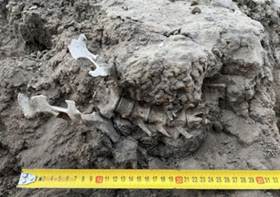
The skeleton of the dingo (garli) in the soil. (Dr. Amy Way/Australian Museum)
Evidence Shows Dingo’s Long Life in the Wild and Human Care
Detailed osteological analysis reveals that the buried dingo was a male who lived an unusually long life for its species. Most dingoes live between four and seven years. This longevity is particularly significant, since typical dingoes in the wild live about three years.
His remains show intense wear on the teeth and healed injuries to the ribs and lower leg, indicative of a life marked by hardship but prolonged through human care. Researchers hypothesize that the dingo’s injuries may have resulted from encounters with large marsupials such as kangaroos. The dingo’s post-trauma survival hints at sustained human assistance, which only underscores its integration into the Indigenous community where it lived.
“What stands out about this garli is that while he was old, he was well cared for,” Dr Koungoulos said. Further analysis of the garli provides new evidence that ancestral dingo burial practices extended further north and west along the Baaka River System. The significance of this discovery reaches beyond mere archaeological circles. The collaborative relationship with this particular Indigenous community emphasizes the cross-cultural work within the professional realm of heritage management.
Collaboration Sheds Light on Ceremonies and Burial Practices
The prioritization of Barkindji consent and ceremonial engagement, including not only smoking ceremonies but also reburial practices, underscores ethical research paradigms. This relationship, built on trust, professionalism, and respect for one another, honors Indigenous sovereignty over cultural knowledge and archaeological materials, and aligns scientific investigation with community values.
Moreover, the evidence gathered through cooperative work on both sides has expanded the broader ecological history of the Baaka riverine environment, where humans and dingoes have co-evolved within a challenging landscape. The burial evidence for the garli intersects with paleoenvironmental data, contributing to a nuanced reconstruction of ancient ways of life, resource use, and social organization along one of Australia’s major river systems.
The dingo’s burial is not just a story of profound kinship between the Barkindji people and the dingo. His life and death were linked to the spiritual life of the Indigenous community for well over a millennium. The archaeological study reaffirms Indigenous knowledge systems as vast reservoirs of ecological wisdom and cultural sophistication. The discovery strengthens the understanding that relationships with animals, especially in the wild, extend into the spiritual and communal realms, maintained through ritual, care, and respect.
Imprints of dingo tracks left in the sand of Fraser Island on the southeastern coast of Queensland, Australia. Source: UrbanDruid,CC BY-SA 4.0
References
“Ancient Burial: Millennium-Old Dingo Found Ritually Buried and Cared For.” Science Magazine, May 18, 2026.https://scienmag.com/ancient-burial-millennium-old-dingo-found-ritually-buried-and-cared-for-along-australias-darling-baaka-river/#google_vignette.
Koungoulos, Loukas George, Amy Mosig Way, Rebecca K. Jones, Sam Player, Cheryl Blore, Barbara Quayle, Patricia Doyle, et al. 2026. “Garli: A Millennium-Old Dingo Burial on the Baaka (Darling River), Kinchega National Park, Menindee Lakes, Western New South Wales.” Australian Archaeology, May, 1–17. doi:10.1080/03122417.2026.2650909.
“New Evidence Reveals a Millennium-Old Dingo Was Ritually Buried, and Cared for, along the Darling (Baaka) River in Australia.” EurekAlert! May 18, 2026. https://www.eurekalert.org/news-releases/1128408.
Pare, Sascha. “950-year-old burial of a pet dingo reveals unique archaeological evidence of humans ritually 'feeding' a grave.” LiveScience. May 14, 2026. https://www.livescience.com/archaeology/950-year-old-burial-of-a-pet-dingo-is-first-clear-archaeological-evidence-of-humans-ritually-feeding-a-grave-anywhere-in-the-world