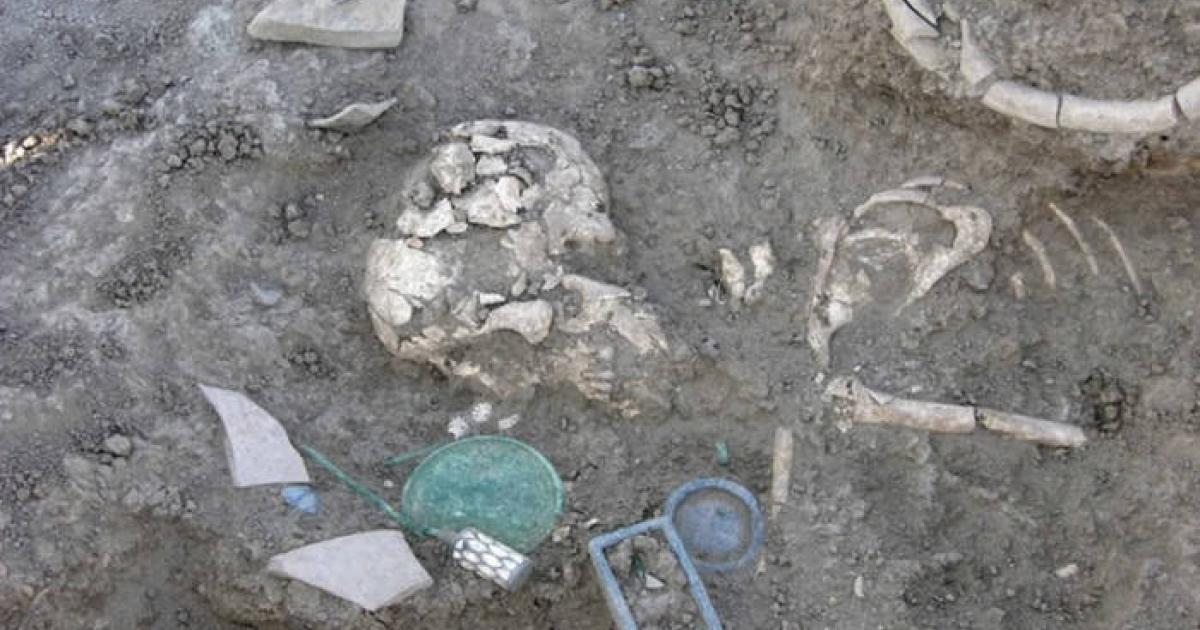

Archaeologists have discovered a remarkable Bronze Age tomb containing 34 ornate grave goods at Tepe Chalow in northeastern Iran, shedding new light on the sophisticated Greater Khorasan Civilization that once dominated Central Asian trade routes. The burial is of a young woman, no older than 18, and is the richest grave ever found at this significant archaeological site.
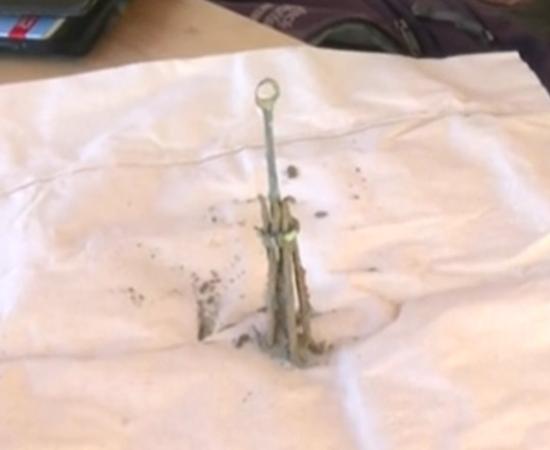
According to the research recently published in the Journal of the British Institute of Persian Studies, Iran, the tomb, designated Grave No. 12, contained an extraordinary collection of artifacts crafted from gold, ivory, lapis lazuli, chlorite, and bronze. Among the most striking finds were decorated cosmetic vessels, a bronze pin shaped like a hand holding a rosette, and a seal featuring symbolic motifs that suggest the young woman may have played an important role in trade or administrative functions within her society.
- Bronze Age Burial Study Links Peoples of Britain and Luxembourg
- Bronze Age Death Rituals Included Curating Remains Of Ancestors

Chlorite container with snake and scorpion motifs. Top from Tepe Chalow, bottom from Bactria. (Vahdati et al. 2025/Iran)
Sophisticated Burial Practices of the Greater Khorasan Civilization
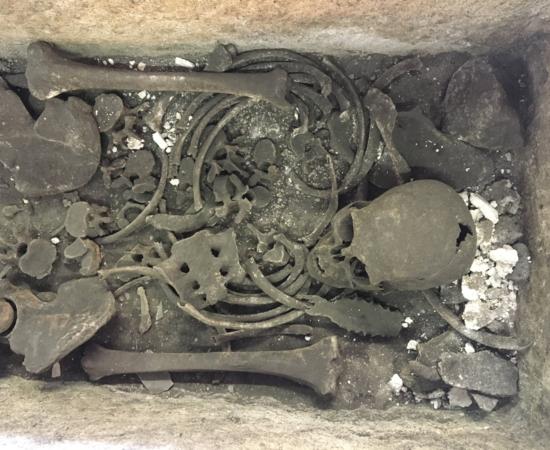
The burial followed the traditional Chalow funerary rite, with the body placed in a crouched position on its right side, hands positioned near the face, and oriented toward the southeast. Pottery vessels were carefully arranged behind the skeleton's back, above the head, and below the feet, demonstrating the sophisticated ritual practices of this ancient civilization, reports Heritage Daily.
The Greater Khorasan Civilization emerged in the late third millennium BC and extended across a vast area encompassing Turkmenistan, northern Afghanistan, and northeastern Iran. The discovery at Tepe Chalow highlights the remarkable geographic spread of this influential Bronze Age culture that rivaled the great civilizations of Mesopotamia and the Indus Valley.
- Lost Silk Road Mountain Cities Revealed in Uzbekistan
- Sarazm and its Ancient Culture Give a Glimpse of Bronze Age Central Asia
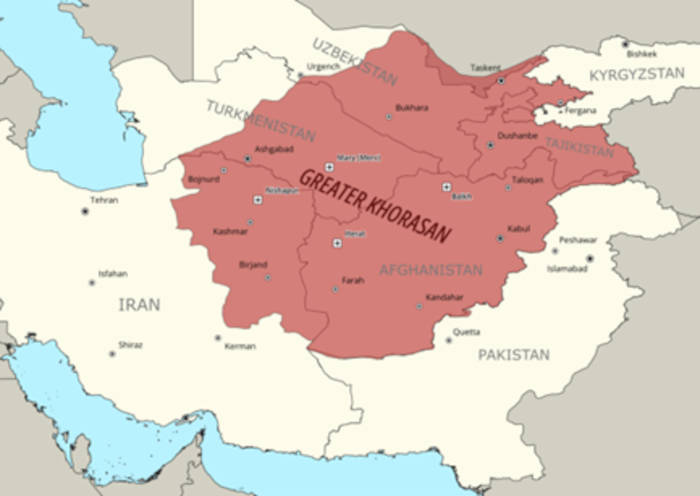
Map showing the extent of Greater Khorasan region (CC0)
Evidence of Extensive Ancient Trade Networks
The diverse materials found in the tomb provide compelling evidence of extensive trade connections that stretched far beyond the Iranian plateau. The presence of lapis lazuli, a precious stone primarily sourced from Afghanistan, alongside ivory and other exotic materials, demonstrates that the people of Tepe Chalow participated in complex trade networks spanning thousands of miles.
These trade routes connected the Greater Khorasan region with distant civilizations across Mesopotamia, the Persian Gulf, and even the Indus Valley. The variety and quality of grave goods suggest that this young woman belonged to an elite social class with access to luxury items from across the ancient world.
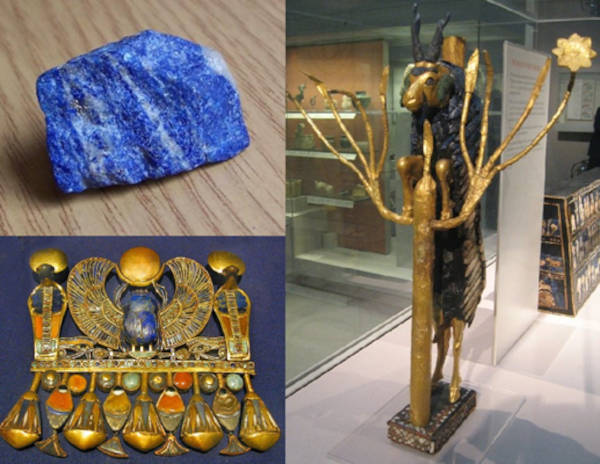
Ancient lapis lazuli artifacts demonstrating the value of this precious stone in Bronze Age trade. (Public Domain)
Archaeological Significance and Ongoing Research
The excavation at Tepe Chalow has been conducted by a joint Iranian-Italian archaeological team led by Ali Vahdati. Over four excavation seasons, archaeologists have identified 38 graves at the site, many grouped into family clusters. While erosion has exposed some burials, Grave 12 remained remarkably well-preserved, offering unprecedented insights into Bronze Age burial practices and social organization.
The discovery provides new understanding of both the local Tepe Chalow community and the broader cultural legacy of the Greater Khorasan Civilization. The sophisticated craftsmanship of the grave goods and the complex burial rituals demonstrate that this was a highly developed society with advanced metallurgical skills and extensive cultural connections.
Top image: Elite Bronze Age tomb unearthed in Tepe Chalow, Iran. Source: Vahdati et al. 2025/Iran
References
Vahdati, A.A., Biscione, R., Dan, R., & Trmouille, M.C. (2025). Grave 12 at Chalow: The Burial of a Young Lady of the "Greater Khorasan Civilization". Journal of the British Institute of Persian Studies. Available at: https://doi.org/10.1080/05786967.2025.2488251
Mark Milligan. (2025). Bronze Age treasures found in high status tomb. HeritageDaily. Available at: https://www.heritagedaily.com/2025/07/bronze-age-treasures-found-in-high-status-tomb/155702