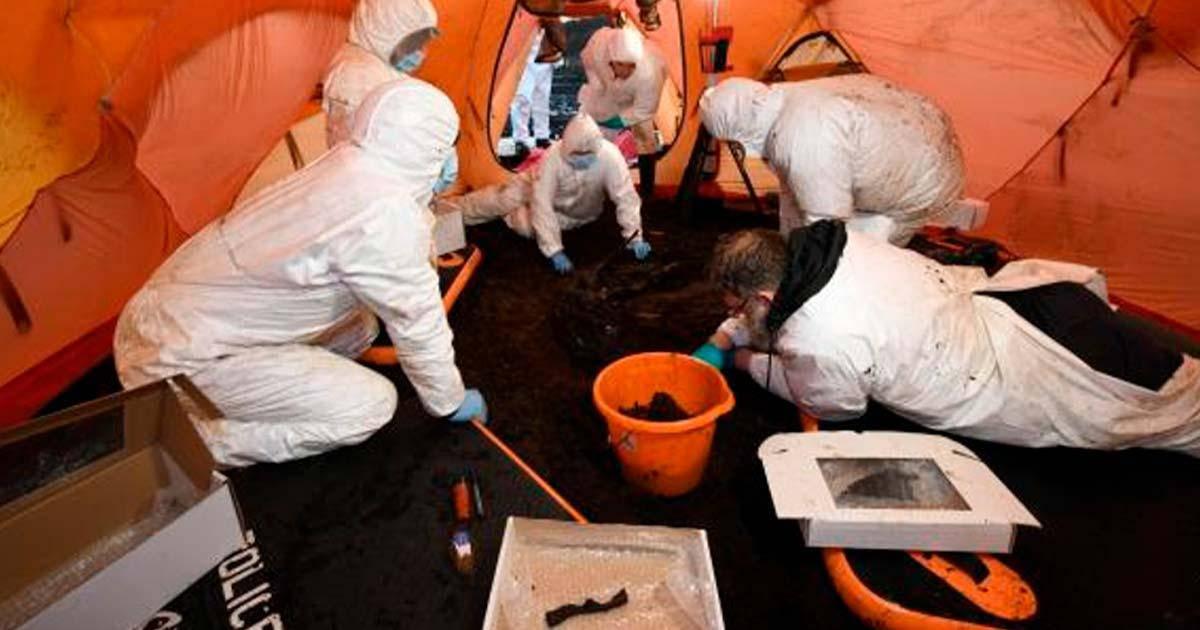

Nearly a year-and-a-half ago human remains were recovered from a peat bog near the village of Bellaghy in County Londonderry, Northern Ireland. Given the condition of the body, it was believed the person had been ritually sacrificed during the Iron Age, or around 2,000 years ago. At first it was thought the remains were those of a teenage boy, but researchers have now discovered that they actually belonged to a young woman, making them more unusual since most of the so-called “bog bodies” found in European countries have been male.
This surprising discovery has been credited to experts from the Ulster Museum and several universities, including Queen’s University Belfast. According to the new analysis, the woman was a young adult, between the ages of 17 and 22, and she would have been tall for a woman in her times, measuring 5ft 6in tall (1.7m). The dating tests show she died sometime between the years 350 BC and the year zero, during a time when all of Ireland was occupied by people from the Gaelic culture.
This bog body has been dubbed the "Ballymacombs More Woman," in recognition of the townland where she was found.
- Shattered Bog Body Dated To 2,500 Years Old Unearthed
- What Killed Grauballe Man? Explaining the Puzzle of the Iron Age Bog Body
A Shocking but Historic Discovery
The body was retrieved from the peat bog in October of 2023 by the Police Service of Northern Ireland (PSNI). In an interview at the time, a PSNI spokesperson referred to it as a "unique archaeological discovery for Northern Ireland,” with the remains judged to be "as old as 2,000-2,500 years.”
Excavations unearthed a set of bones, which proved to belong to a single individual. Initially the discovery was investigated as a possible contemporary murder, but carbon dating results proved she had been entombed more than 2,000 years ago.
The curator of archaeology at National Museums NI (NMNI), Niamh Baker, told BBC News that the discovery of the remains was "very significant" – not to mention shocking and grisly.
"There was evidence of cut marks on the neck vertebrae," Ms Baker said, showing "that the individual had been intentionally decapitated at the bog." The head was not found during the 2023 excavations, inviting speculation about what might have happened to it.
"It was likely that that was taken away at the time, during the Iron Age," Ms Baker stated. "Perhaps it is part of a pattern of ritual killings and sacrifice...there is a pattern of that across North-West Europe and Ireland."
- Ancient bog body found in Ireland may be Iron Age sacrifice
- Ancient Bog Mummies Reveal Secrets of their Identity
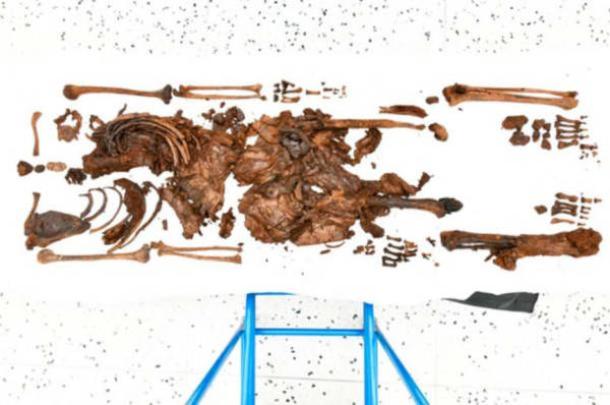
The complete set of remains recovered from the bog body in Bellaghy, dating back 2,000 years. (PSNI)
Queens University Belfast professor of archaeology Eileen Murphy carried out a thorough examination of the body and confirmed its resemblance to the state of many other bog bodies that have been found in peatland in northern and northwestern Europe over the years.
"As is the case for so many Iron Age bog bodies, the young woman suffered a highly violent death which involved the flow of blood from her throat followed by decapitation," she said. "The head was taken away, but the body was left where it fell only to be discovered by machine workers some 2,000 years later."
Ms Baker explained that additional research would be carried out on the remains, in a search for information about how people lived during the Iron Age.
"We'll hopefully find out information potentially about her diet, potentially about her movement," she said, “[and] perhaps what population she was part of. There's very little evidence that tells us about everyday life during the Iron Age.”
The Mysterious Bog Body Phenomenon of Northern Europe
The state of the woman’s body has been replicated elsewhere, and frequently, at sites all across northern Europe, from Scandinavia to the United Kingdom. The newly identified woman from Northern Ireland is one of many so-called “bog bodies” recovered from wetlands, all victims of murderous acts that seem to have had ritual connotations in a large number of cases. The nature of the ritual or religious ceremonies involved remain a mystery, as there are no written records that offer an explanation of the motivations of the killers.
Two years ago, a team of researchers published the results of their comprehensive study of approximately 1,000 bog bodies recovered from European wetlands. Some had been extremely well-preserved in mummified form in their liquified tombs, although many of the bodies had turned into skeletons over the passage of time.
The oldest bog bodies dated back to the period between 9,000 and 7,000 BC. Bodies and skeletal remains recovered in southern Sweden and Denmark dated to the fourth millennium BC, while a large concentration of bog skeletons found in English mires dated to the later third/early second millennium BC. It was during the Iron Age and Roman period that the ‘bog body phenomenon’ peaked in Northwest Europe, but bogs continued to be used as burial sites up through medieval times in Scotland and Ireland.
The most common theory is that the deceased were ritually sacrificed to appease the gods and ensure the land remained productive and fertile. In some instances, it is thought, the people executed and thrown into bogs were those who had broken social conventions of violated tribal taboos, or had been involved in criminal activities, and were therefore not accorded the right to have an honorable burial. As bogs were dangerous places, it is also likely that some of the bog bodies were accidental drownings, although this explanation wouldn’t be viable in cases where the bodies or skeletons revealed injuries consistent with a violent attack.
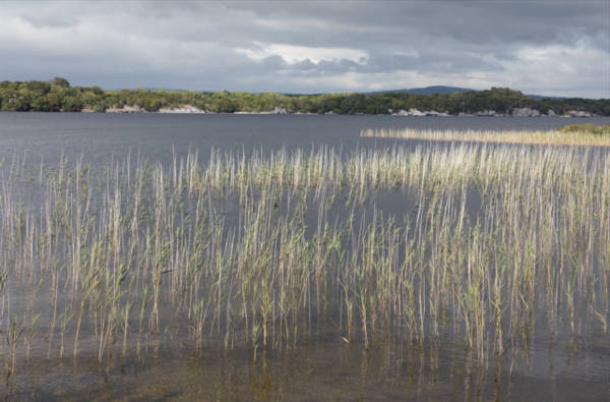
Peatland in Northern Ireland. (ssviluppo/Adobe Stock)
Treating Ancient Remains with Respect and Sensitivity
Despite the participation of the Ulster Museum in the research, there are currently no plans to put the recovered skeleton on display.
According to National Museum NI's head of curatorial, Hannah Crowdy, public institutions are thinking more carefully these days about how to handle the remains of ancient people who suffered violent deaths.
"The nature of death of this individual was that she was decapitated and obviously that means the remains are in a certain condition that might be distressing for people to see," Ms Crowdy said. "There has to be a really strong argument for displaying them, we would never want to display them for sensational purposes."
Top image: New research reveals that an Irish bog body found in Bellaghy, dating back over 2,000 years ago was a woman. Source: PSNI
By Nathan Falde