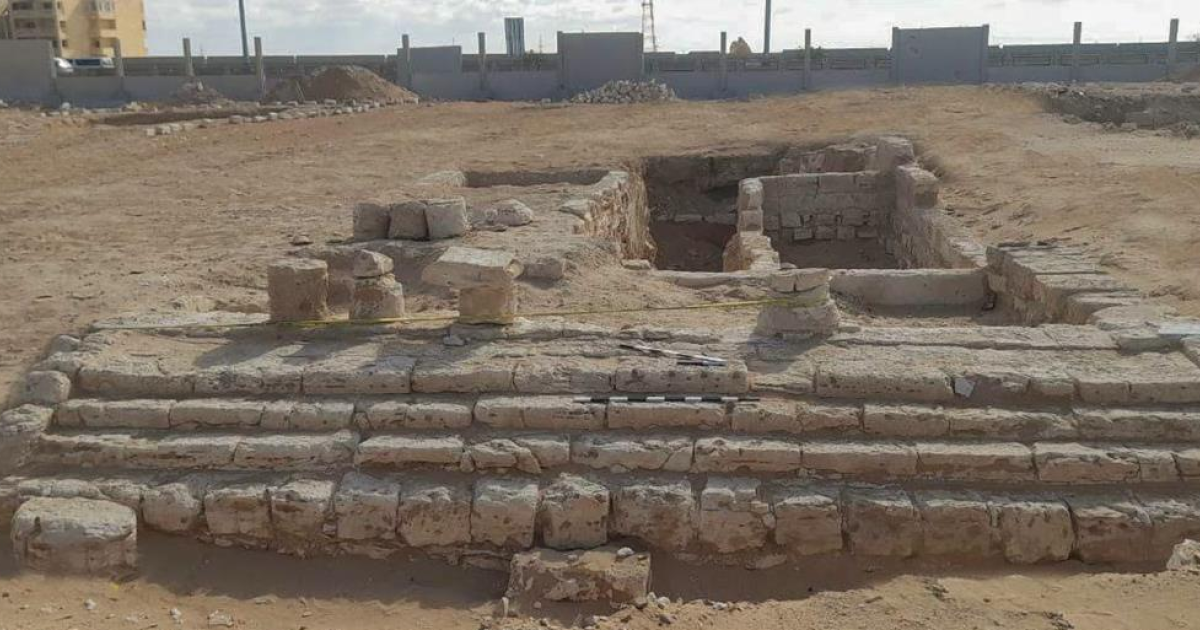

Archaeologists have recently uncovered 18 ancient tombs located in an Egyptian town adjacent to the Mediterranean Sea. The tombs, unearthed in Marina el-Alamein (also spelled Alamin), about 60 miles west of Alexandria, date to the Ptolemaic or Roman Periods, ranging from 323 BC to 30 BC and 30 BC to 395 AD, respectively. During the Ptolemaic Period, Egypt was ruled by Ptolemy, one of Alexander the Great’s generals. In the Roman_Period, the province was ruled by a representative of the Roman Emperor, a Prefect from the equestrian class (knights), who was in direct control of this crucial source of food for Rome.
- Roman Era Tombs Discovered in Egypt Reveal Diverse Trends in Burial Architecture and Grave Goods
- 5,000-Year-Old Tombs Found in Minya Rewrite the Origins of Egyptian Pyramid Architecture
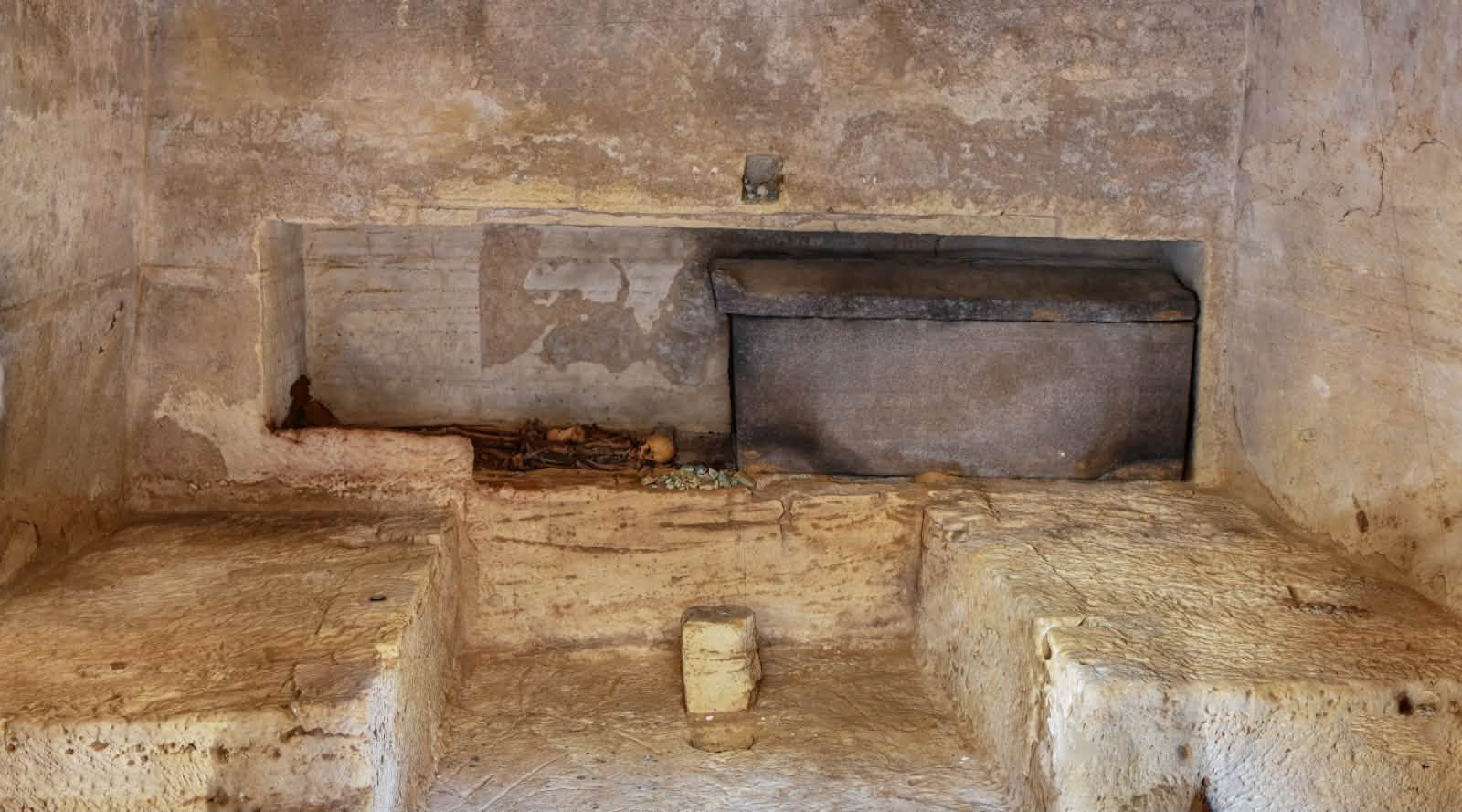
One of the tombs found at Marina el-Alamein. (Ministry of Tourism & Antiquities)
A False Door at the Boundary Between Life and Death
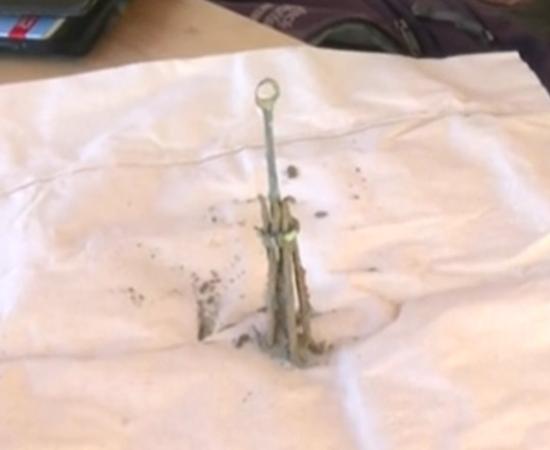
According to a statement from the Egyptian State Information Service, the team noted that 11 of the tombs were carved deep into the ground, while the other seven were located closer to the surface. The tombs held numerous artifacts, most notably 24 “gold tongues,” likely placed in the mouths of the mummies, and an offering altar with a base shaped like a false door. According to Hesham Hussein, the Undersecretary for Lower Egypt and Sinai Archaeology at Egypt’s Ministry of Tourism and Antiquities, “The false door is one of the oldest and most recognizable elements of ancient Egyptian funerary architecture. The door is a meaningful symbol in religious belief,” he explained. “The carving of a false door into the altar suggests that the symbolic meaning of the false door remained important even as its architectural function evolved.” In traditional Egyptian belief, the door symbolized the interface between the worlds of the living and the dead, through which the deceased could receive spiritual offerings from the living.
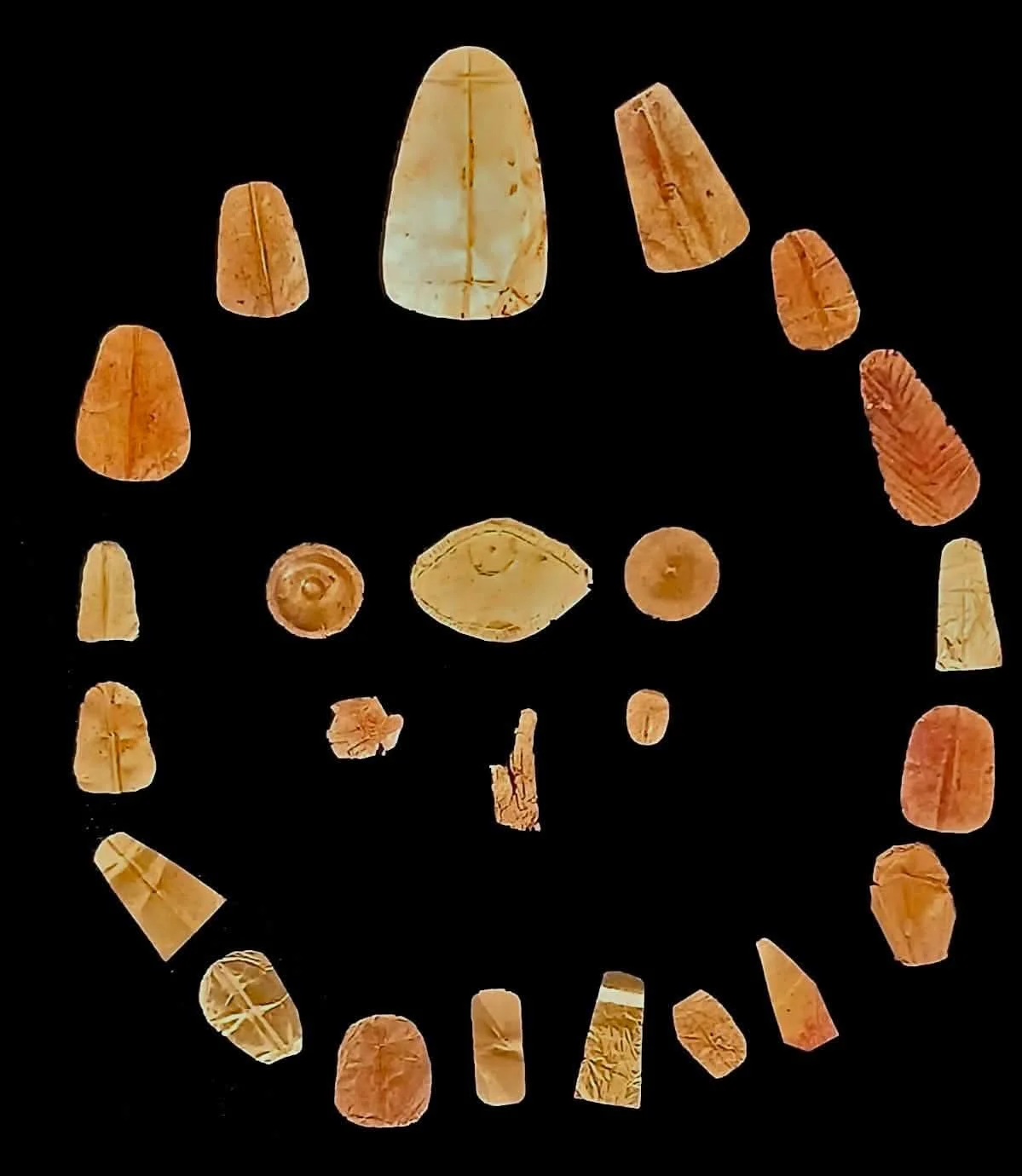
Gold funerary foils and amulets recovered from Ptolemaic and Roman-period burials at Marina el-Alamein show that ongoing excavations continue to reveal Egypt's complex burial customs and religious practices. (Ministry of Tourism & Antiquities)
Dead Given Tongues of Gold
Gold tongues like the ones at Marina el-Alamein have also been found in mummies at several other Ancient Egyptian sites. The Ancient Egyptians considered gold sacred, believing it was the flesh of the gods. They also believed that gold tongues could help the deceased communicate with them in the afterlife. “Gold tongues are a well-documented feature of some burials dating to the Ptolemaic and Roman periods in Egypt,” Hussein said. “They are generally interpreted as symbolic funerary amulets to enable the deceased to speak in the afterlife, particularly during the judgment before the god Osiris, or more broadly to communicate and recite sacred formulas in the next world.”
- Ancient Mummies Found in Egypt with Golden Tongues
- The Outstanding Story of Osiris: His Myth, Symbols, and Significance in Ancient Egypt
Are They Really All Gold Tongues?
Attilio Mastrocinque, a Professor of Roman History at the University of Verona in Italy, notes that “it’s unclear whether some of these artifacts can be considered gold tongues.” He has also written extensively about the polytheistic Greek and Roman religions, but wasn’t involved in this specific excavation. After looking at the photos posted by the Ministry of Tourism and Antiquities, he noted that one appears to show a wheat ear. Wheat ears were also associated with fertility, and images of them were popular throughout the ancient world. These newfound artifacts resemble silver wheat ears found in Roman sanctuaries in Europe, Mastrocinque said.
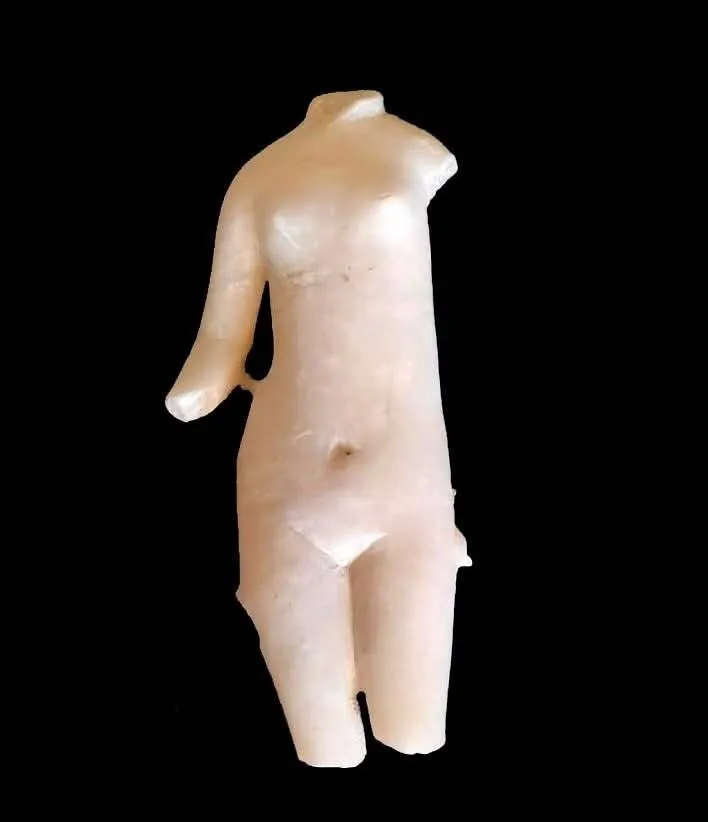
An unfinished statue of the goddess Aphrodite, who was associated with love and beauty. (Ministry of Tourism and Antiquities)
Meaning of the Eye of Horus
One of the gold tongues had a unique shape resembling the “Eye of Horus.” Horus was a falcon-headed god associated with the sky and warfare. Artifacts shaped like the eye are common grave goods in Egypt and were used to ward off evil, according to a statement from the Ministry of Tourism and Antiquities.
- Eye of Horus: The True Meaning of an Ancient, Powerful Symbol
- Polytheistic Religion: How Pantheons Reigned in the Ancient World
Scholars Urge Caution Over False Door Interpretation
False doors are commonly found in Ancient Egyptian tombs, and offering altars are often near these doors. In this case, the base of an offering altar resembles a false door. Krzysztof Jakubiak, Professor of Archaeology at the University of Warsaw, who has excavated at Marina el-Alamein in the past but wasn’t involved in this recent excavation, noted that this artifact needs additional analysis. Jakubiak points out that the altar might have been a work in progress:
“I would exercise caution in asserting a direct comparison between the iconographic motifs visible on the altar discovered at the excavation site and those of the false door iconography.”
He says it’s still possible the altar wasn’t finished in time, and that its current appearance simply resembles a false door. Hala Mostafa, an Associate Professor of Archaeology at Ain Shams University, believes that the altar may actually depict the hieroglyphic sign for offering rather than a false door.
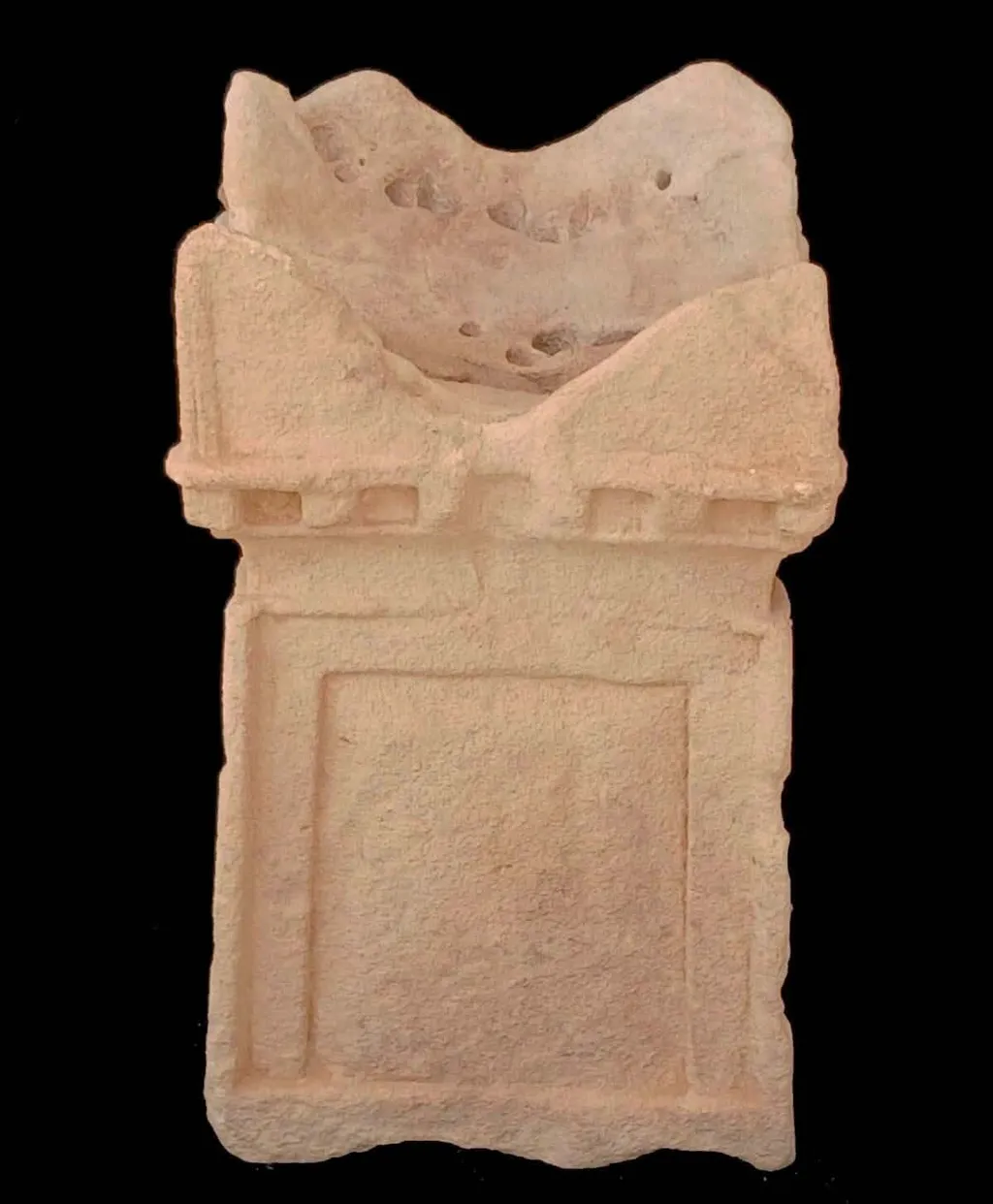
An offering altar with a base that resembles a false door. (Ministry of Tourism and Antiquities)
A Cemetery Blending Two Worlds
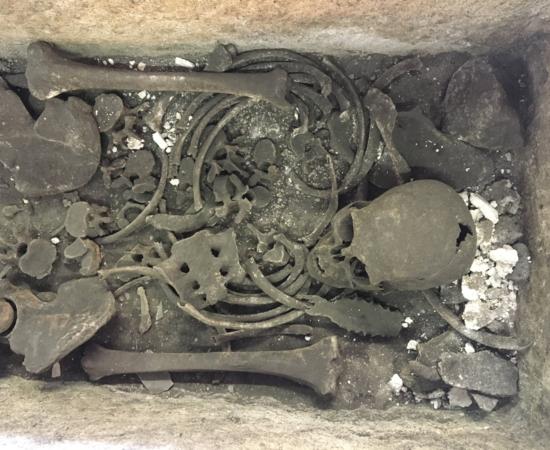
The cemetery has tombs and artifacts from both Egyptian and Greco-Roman cultures. One of the tombs contains an 8.2-foot-long granite coffin whose lid was still on when the tomb was found. The research team is currently examining skeletal remains found within the tomb. Other artifacts include an unfinished marble statue of Aphrodite, a Greek goddess associated with love and beauty. During Ancient Egypt’s Ptolemaic dynasty, Greek culture and religion blended with the country's native religion. Mastrocinque thinks the statue placement needs context:
“It will be interesting to see whether there is a structure for Aphrodite located nearby. It’s important to know where the statue has been found. Was there a small cultic shrine to Aphrodite within this funerary complex?”
- The Ancient Greeks Became Fascinated with Ancient Egypt (Video)
- What Made Alexandria the Intellectual Capital of the Ancient World?
Dorota Dzierzbicka, Director of the Polish-Egyptian Archaeological Mission to Marina el-Alamein, is pleased by the positive impact of the discoveries. Combined with previous work, the artifacts reveal that this town was “a culturally diverse community in which Egyptian and Graeco-Roman traditions coexisted and blended within everyday life and funerary practices.” She adds that these discoveries were made by Egyptian archaeologists who worked at the site. Egypt’s Ministry of Tourism and Antiquities says work at the excavation site will continue as part of a plan to welcome more visitors. Planned additions will include a visitor center, walking paths, electric shuttle routes, a museum storage building, an office, and an open-air theater. Officials expect the project to be complete during the first half of 2027.
Top Image: One of the newly excavated limestone-built tombs at Marina el-Alamein, part of an ancient Ptolemaic and Roman cemetery on Egypt's Mediterranean coast. Source: Egyptian Ministry of Tourism and Antiquities/Egyptian State Information Service
By Ramsey Hardin
References
Ata, Huda. “Egypt Discovers Sealed Tombs and 24 Gold Tongue Amulets at Ancient Coastal City.” Gulf News, July 5, 2026. https://gulfnews.com/world/mena/egypt-discovers-sealed-tombs-and-24-gold-tongue-amulets-at-ancient-coastal-city-1.500597582
Barbati, Gabriele. “Archaeology: 18 Ancient Tombs in Egypt Yield ‘Golden Tongue’ Amulets.” Euronews, July 9, 2026. https://www.euronews.com/culture/2026/07/09/archaeology-18-ancient-tombs-in-egypt-yield-golden-tongue-amulets.
Jarus, Owen. “18 Ancient Egyptian Tombs with Dozens of Gold ‘Tongues’ Discovered along the Mediterranean Coast.” Live Science, July 12, 2026. https://www.livescience.com/archaeology/ancient-egyptians/18-ancient-egyptian-tombs-with-dozens-of-gold-tongues-discovered-along-the-mediterranean-coast
Radley, Dario. “Ancient Tombs with Golden Tongues Found at Egypt’s Marina El Alamein Reveal 2,000-Year-Old Burial Secrets.” Archaeology News, July 6, 2026. https://archaeologymag.com/2026/07/tombs-with-golden-tongues-at-marina-el-alamein/.