
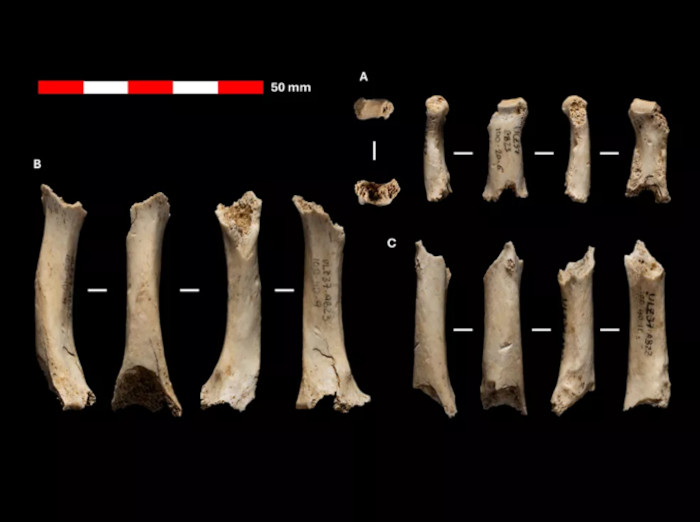
Remains of a right hand belonging to the Neanderthal individual from Abauntz, shown in different views. (Maria D. Guillén / IPHES-CERCA)
Six Bones, One Late Neanderthal
According to an IHPES release, four fragments came from the individual’s right hand: three metacarpals, the long bones of the palm, and a middle finger bone. Two other fragments were initially difficult to identify, but protein analysis showed that they were also human, while genetic tests established that the individual was male. Direct radiocarbon dating placed the bones at roughly 46,000 years old, a rare combination of physical, genetic, and chronological evidence for remains from this period.
The bones also carry marks made by meat-eating animals, offering clues about how they reached the cave. The same archaeological layer contains stone tools and animal bones, some of which bear cut marks from butchering. As Noticias de Navarra reports, the wider cave sequence records almost 50,000 years of human activity, from Neanderthal occupations to later prehistoric periods.
- Neanderthal DNA Recovered from Cave Dirt Using New Method
- Ancient DNA Reveals Last Neanderthals’ Social Networks
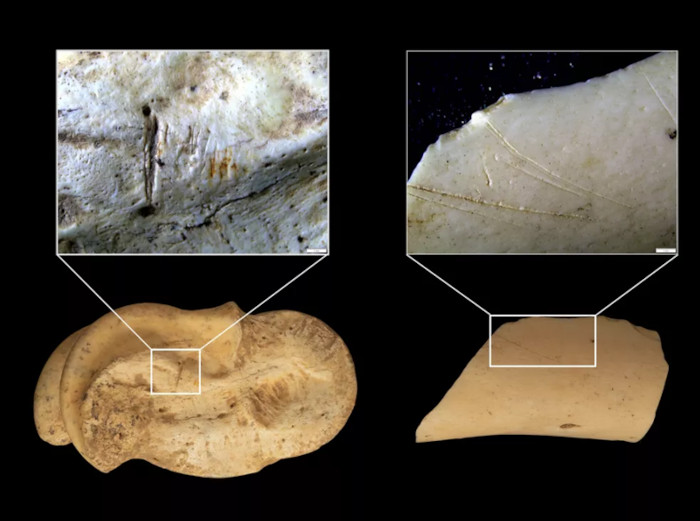
Deer remains with cut marks recovered at level 101 of Abauntz. (Abauntz Research Team/IPHES-CERCA)
A Precious DNA Find
DNA usually fragments over time, and preservation depends heavily on temperature, moisture, chemistry, and burial conditions. At Abauntz, the team combined genetic testing with paleoproteomics (the study of ancient proteins) and radiocarbon dating to identify the fragments and establish their age. The broader importance of such work is reflected in Ancient Human DNA Discovered Hidden Inside Paleolithic Cave Walls, which describes how molecular traces can survive in unexpected parts of prehistoric sites.
The Abauntz genetic study is still in progress, so there is no complete genome to interpret yet. Researchers hope it will reveal whether this man was related to groups from other Iberian caves, whether Neanderthal communities moved across the Pyrenees, and how much genetic diversity remained among Europe’s last Neanderthals. Earlier work at El Sidrón in Asturias showed that ancient DNA can expose family relationships and social patterns that bones alone cannot provide.
- Tools Offer Fresh Insights into Neanderthal Life in Spain
- The Hominins Found at Atapuerca are the Earliest Genetic Evidence of Neanderthals
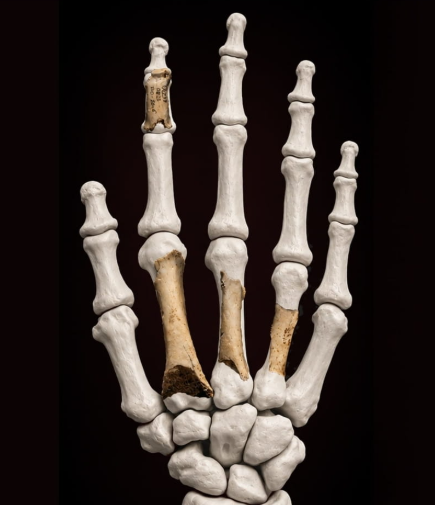
Reconstruction of the Neanderthal hand incorporating the original fossil remains. (IPHES-CERCA)
A Cave at a Crossroads
Abauntz lies on a natural route linking the Iberian Peninsula with regions north of the Pyrenees. That position makes the cave valuable not simply because it contains human fossils, but because it may help test how people and ideas moved through the mountains during the final phase of Neanderthal history. Related discoveries, including the Spanish stone-working evidence described in Tools Offer Fresh Insights into Neanderthal Life in Spain, show how archaeology can trace movement through materials as well as bones.
The find also fills a geographical gap. Genetic research at Atapuerca and studies of Neanderthal traces in modern human DNA have already established Spain as a major setting for human-evolution research. Abauntz adds a late, directly dated individual to that record, while leaving open the larger question of how the last Neanderthal groups were connected.
What Comes Next
More than 25 specialists are involved in the project, with researchers from IPHES-CERCA, the University of Warsaw, the Musée de l’Homme, the University of Vienna, and the Max Planck Institute for Evolutionary Anthropology contributing to the analyses. Excavations are continuing, and the remains are expected to be displayed at the Museum of Navarra after the current research is complete. Until the genetic results are published, the Abauntz bones remain less a finished biography than a rare new doorway into the final chapters of Neanderthal life.
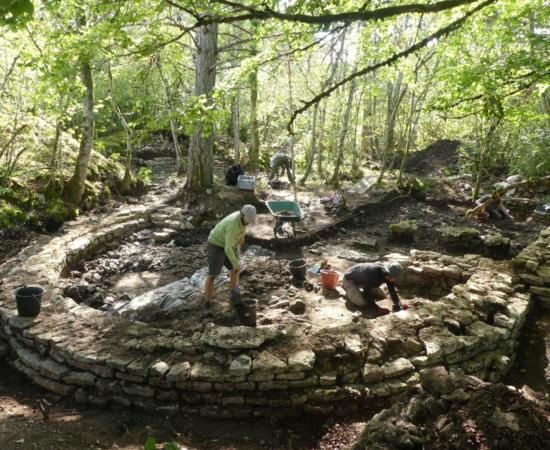
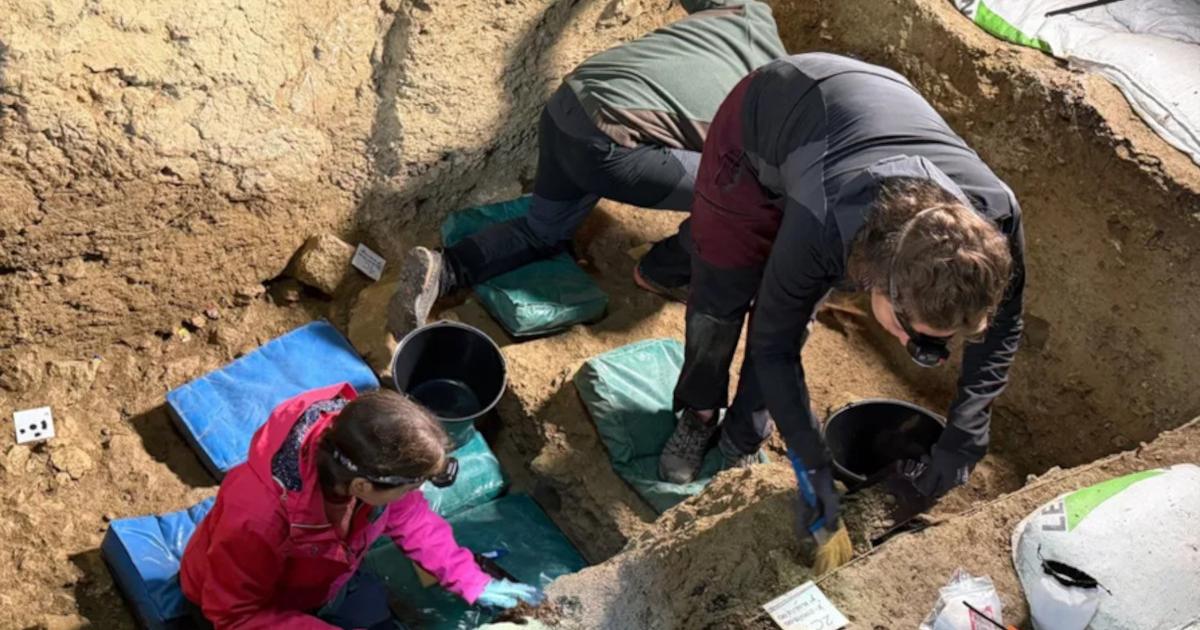
Top image: Archaeological excavation work in the area where the Neanderthal remains appeared. Source: Abauntz Research Team/IPHES
References
IPHES, 2026. The first Neanderthal fossils discovered in Navarre: remains of a hand from 46,000 years ago with preserved DNA. Available at: https://comunicacio.iphes.cat/cat/news/new/1186/category/1/noticies.html
Max Planck Institute for Evolutionary Anthropology. 2016. 400,000-year-old fossils from Spain provide earliest genetic evidence of Neandertals. Available at: https://www.mpg.de/10364707/hominins-sima-de-los-huesos
Noticias de Navarra. 2026. Hallazgo histórico en Abauntz: descubren los restos humanos más antiguos hasta la fecha en Navarra. Available at: https://www.noticiasdenavarra.com/cultura/2026/10/19/hallazgo-historico-abauntz-descubren-restos-11663925.html
Radley, D. 2026. Neanderthal hand fossils from a Spanish cave preserved 46,000-year-old DNA. Available at: https://archaeologymag.com/2026/10/neanderthal-hand-fossils-from-spain-preserved-dna/