

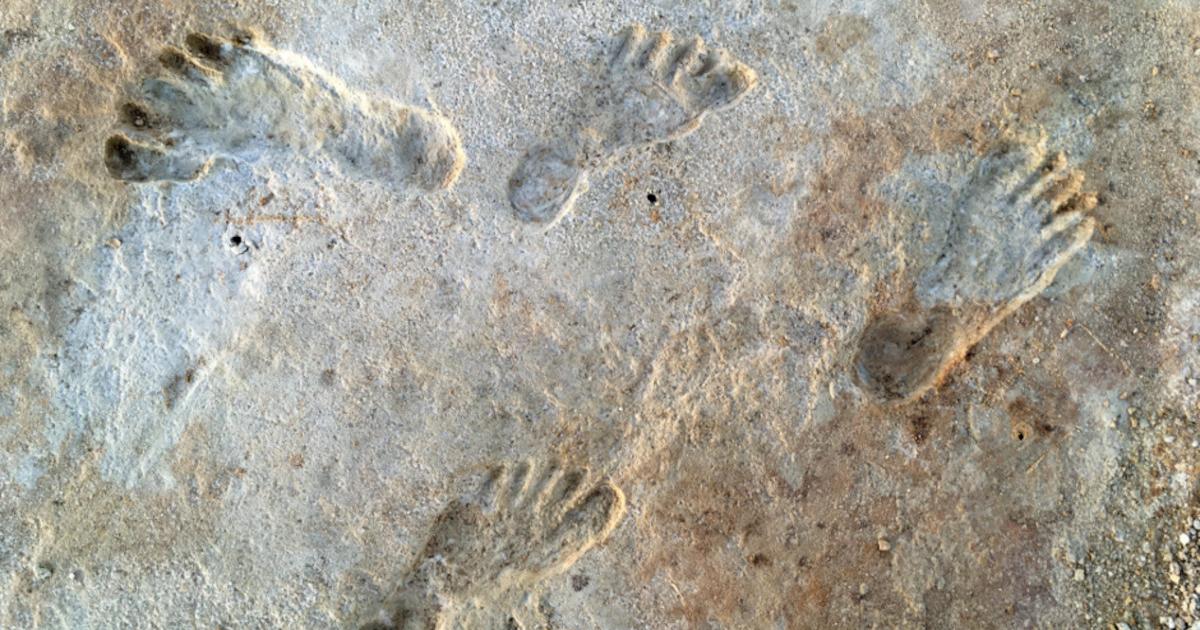

A new study of ancient DNA indicates that the ancestors of modern Native Americans first arrived in the New World not earlier than about 21,000 years ago, at the very end of the last Ice Age and the coldest period of Earth’s history. These findings have added more fuel into the long-standing debate in archaeology, and they sit in a stark contrast to the 23,000-year-old human footprints at White Sands in New Mexico, suggesting that people might have already been in America before that wave of migration.
Three Timelines, One Contentious Question
Since the late 1800s, researchers have argued over whether humans entered the Americas before, during or after the Last Glacial Maximum (LGM), the frigid peak when vast ice sheets locked up much of the planet's water between roughly 25,000 and 19,000 years ago. Writing in Current Opinion in Genetics & Development, Bethany Potter of the Kansas Geological Survey, Savannah Hay of the University of Kansas and their colleagues Jennifer Raff and Amy Singh weighed three competing models against the genomic record: a pre-LGM entry more than 25,000 years ago, a migration between 20,000 and 14,000 years ago, and a later arrival after 14,000 years — the old 'Clovis First' position that dominated textbooks for decades.
The genetic evidence, they argue, fits the middle scenario. Somewhere near Siberia or Beringia, the land bridge that once joined Asia to Alaska, a founding population carrying deep Siberian ancestry became cut off during the LGM. This long isolation — often called the Beringian standstill — left a genetic signature that researchers still detect in Indigenous communities today. When the isolated population finally fragmented, it produced at least three branches: Ancient Native Americans, Ancient Beringians, and one or more 'ghost' lineages known only from statistical traces in living genomes.
Reading the Genetic Clock
Genomic studies can serve as a rough timepiece since lineages accrue mutations at a relatively steady rate and separate when populations separate. At present about 257 whole genomes and genome-wide information of another 1,204 ancient individuals originating from the Americas have been published, and the oldest of them all is the Anzick-1 child buried in Montana in a pile of red ochre with Clovis implements. By working backwards from the data communicated by Anzick-1 and other early individuals, the team suggests that the initial large splitting of lineages originating from the First Peoples occurred no earlier than 21,000 years ago after the LGM started to cease dominating over its populations.
- New Evidence Pushes Back Peopling of the Americas Almost 20,000 Years
- Study of Ancient Teeth Reveals Native American Origins Lie in Siberia
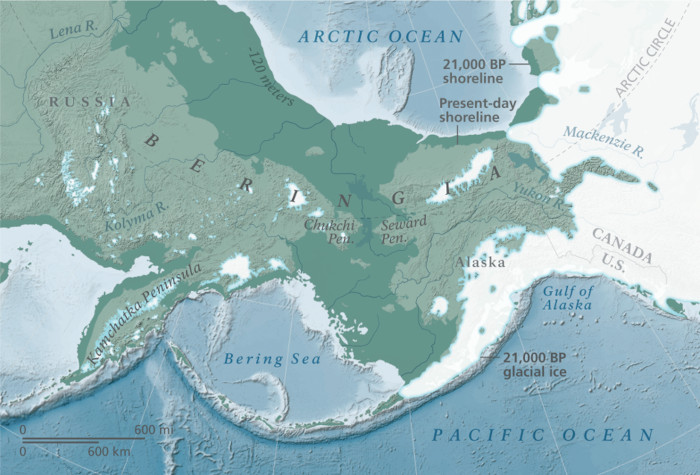
Bathymetric map of Beringia, the land bridge that linked Siberia and Alaska during lowered sea levels of the Ice Age. (Public Domain)
The White Sands Problem
Nonetheless, there continue to be archaeological discoveries revealing earlier sites. Thus far, radiocarbon dating of pollen samples and optically stimulated luminescence have shown that footprints at the White Sands were created in shoreside mud approximately 23,000 years ago before the conclusion of the Last Glacial Maximum (LGM). The Native American tribes of Acoma Pueblo acknowledge the footprints as reflecting the ancient people in the area. However, no DNA has been obtained from this group, and investigations of ancient and current Indigenous DNA shows that it resulted in no significant relationship to other populations.
"It is possible we have not sampled their descendants' lineage, or that they contributed a low proportion of genetic ancestry to ancient North American populations," Potter and Hay told Live Science. "Perhaps we've just not found DNA from the White Sands population yet."
- Humans Got To America 7,000 Years Earlier Than Thought, New Research Confirms
- Did the Experts Get It Wrong? New Study Challenges Monte Verde Age
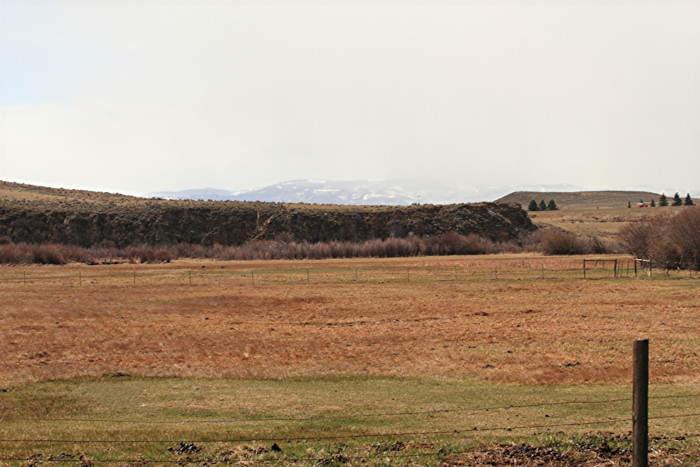
The Anzick site in western Montana, the only known Clovis burial site in North America, where the 12,800-year-old Anzick-1 child was found. (Ronald L. Shimek/CC BY-SA 4.0)
Huge Gaps in the Dataset
The authors are candid about the limits of their own evidence. "There are huge gaps in our genetic dataset," they said, noting that not a single ancient genome has been published from the Great Plains — the very region where their laboratory is based. Central America, the Caribbean and large swathes of North America are similarly blank, and those blanks could be concealing older migrations. Filling them will take time, partly by design.
"Many of us are intentionally slow with our ancient DNA approaches to ensure research relevant to descendant communities is ethical and collaborative," Potter and Hay explained.
The team also points to the 14,500-year-old Monte Verde site in Chile as a reminder that the archaeological and genetic pictures have not yet been reconciled. For now, the DNA says 21,000 years; the footprints say otherwise.
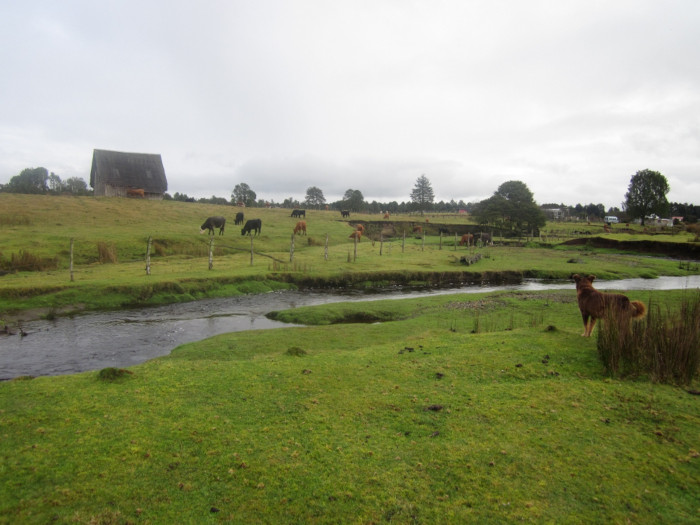
The Monte Verde archaeological site in southern Chile, long central to the debate over the peopling of the Americas. (Geología Valdivia/CC BY 2.0)
Top image: Fossilised human footprints preserved in the mud of ancient Lake Otero, White Sands National Park, New Mexico. Source: USGS via Wikimedia Commons
By Gary Manners
References
Archaeology Magazine. 2026. First Indigenous Americans reached the Americas no earlier than 21,000 years ago, study suggests. Available at: https://archaeologymag.com/2026/10/first-indigenous-americans-reached-21000-years-ago/
Killgrove, K. 2026. The ancestors of today's Indigenous people arrived in the Americas during the coldest part of the last ice age, study suggests. Available at: https://www.livescience.com/archaeology/americas/the-ancestors-of-todays-indigenous-people-arrived-in-the-americas-during-the-coldest-part-of-the-last-ice-age-study-suggests
Potter, B., Hay, S., Singh, A. and Raff, J. 2026. Genomic insights regarding early migrations into the Americas. Current Opinion in Genetics & Development. Available at: https://www.sciencedirect.com/science/article/pii/S0959437X26001012





















