
August
03
/ 2024
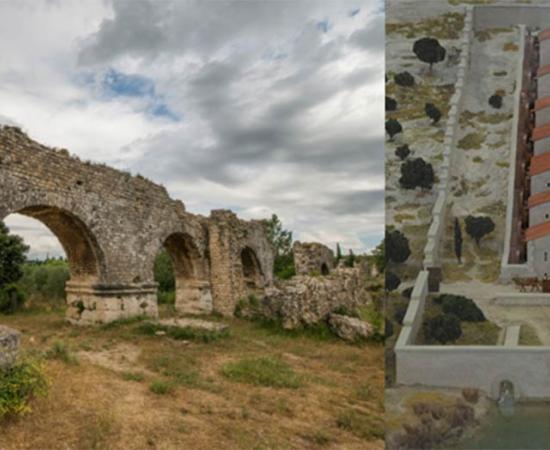
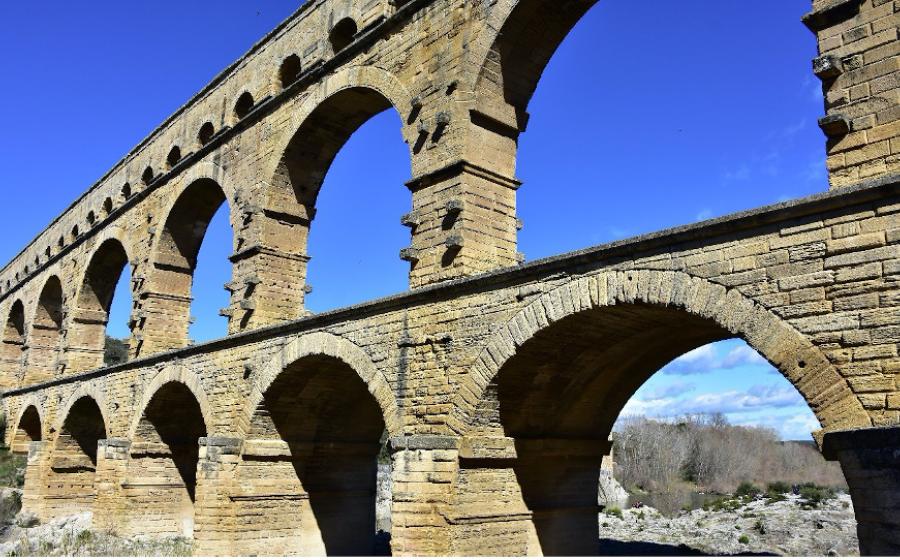
Roman aqueducts were marvels of ancient engineering, supplying water to cities for public baths, fountains, and the homes of the elite. The engineering involved in constructing these aqueducts was advanced for its time. Greek engineers pioneered early aqueducts, with innovations such as the stone-lined channel in Archaic Athens and the pressurized water systems of Pergamon. Romans, however, took aqueduct construction to new heights by incorporating arches and hydraulic concrete, and building extensive networks capable of transporting millions of gallons of water daily. 6 Ways Roman Engineers Were Way Ahead of Their Time Pont Du Gard - Is This Mighty Engineering Feat in Danger of Collapse? Roman aqueducts typically began at hillside springs, as stagnant lake water and sediment-laden rivers were