
August
11
/ 2026
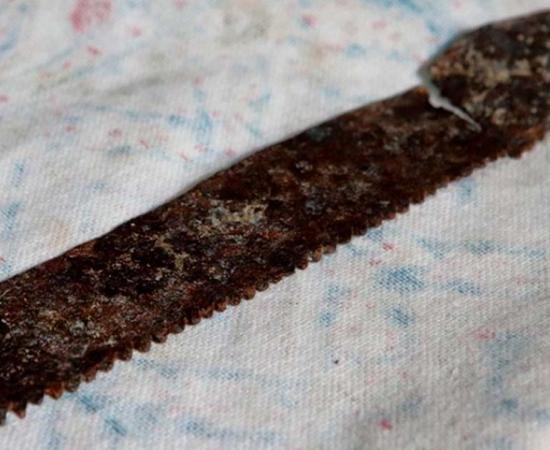
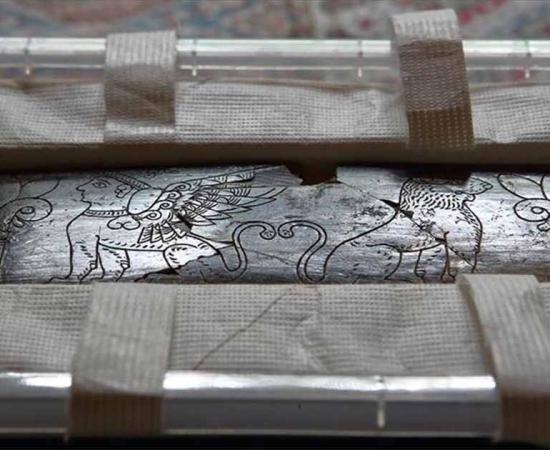
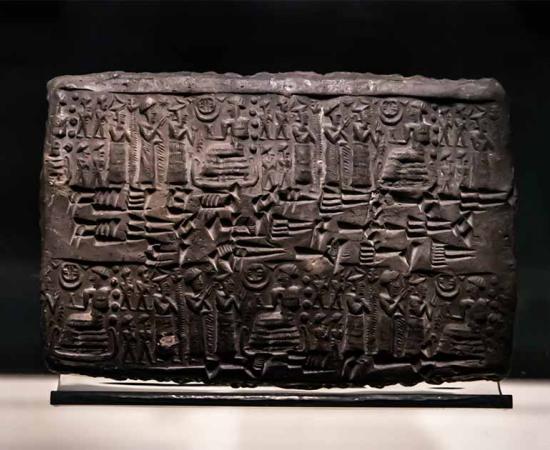
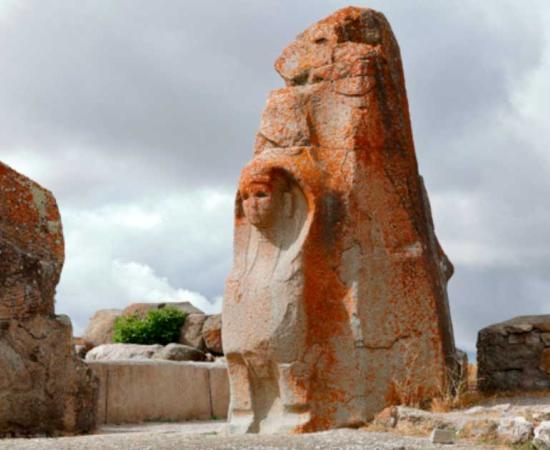
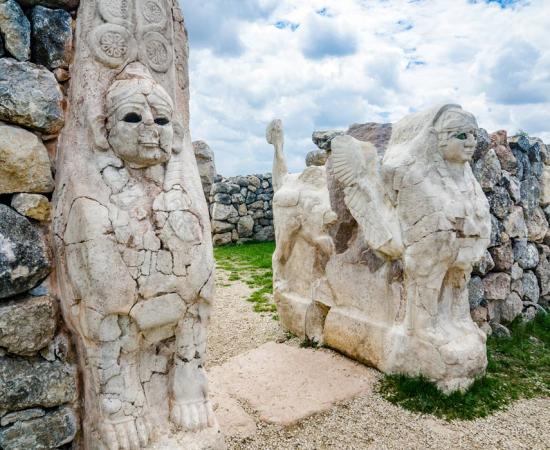
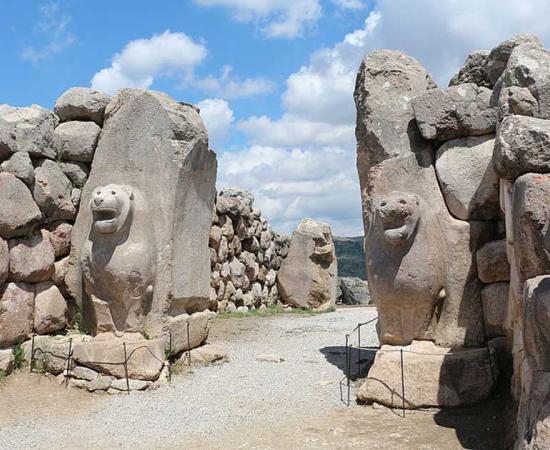
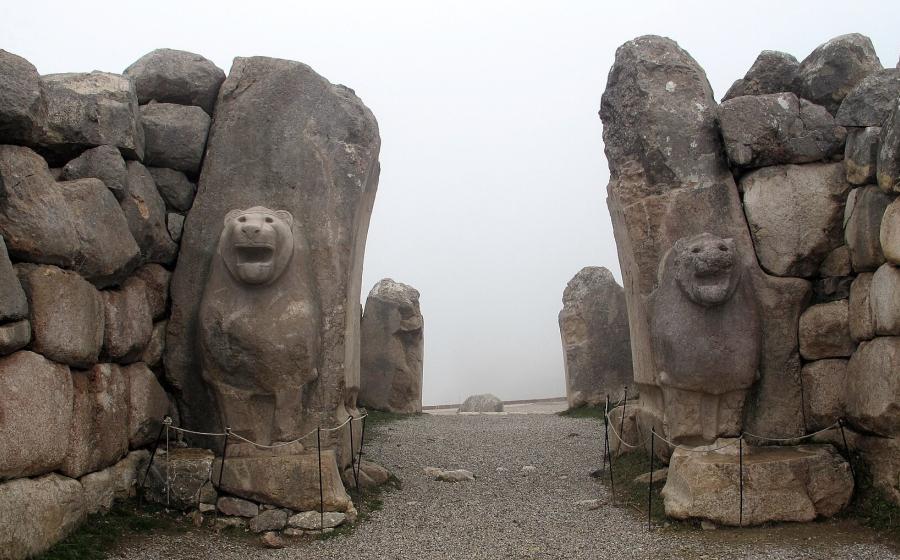
Archaeologists have recently discovered a set of tombs dating back around 2,300 years at Hattusa, the ancient capital of the Hittite Empire in central Turkey. This particular find sheds fresh light on burial customs from a lesser-known chapter of the site’s storied past. One particular grave has stood out to the excavation team. Its stone architecture was unusually well preserved, and even the skeleton was mostly intact when found. This tomb’s good state of preservation immediately distinguished it from the other graves excavated in the area. Beside the skeleton’s right shoulder, archaeologists also found a knife; its function is still undetermined. Researchers are now trying to establish whether it was placed there as a burial offering or if it ever