
November
04
/ 2026
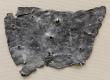
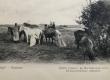
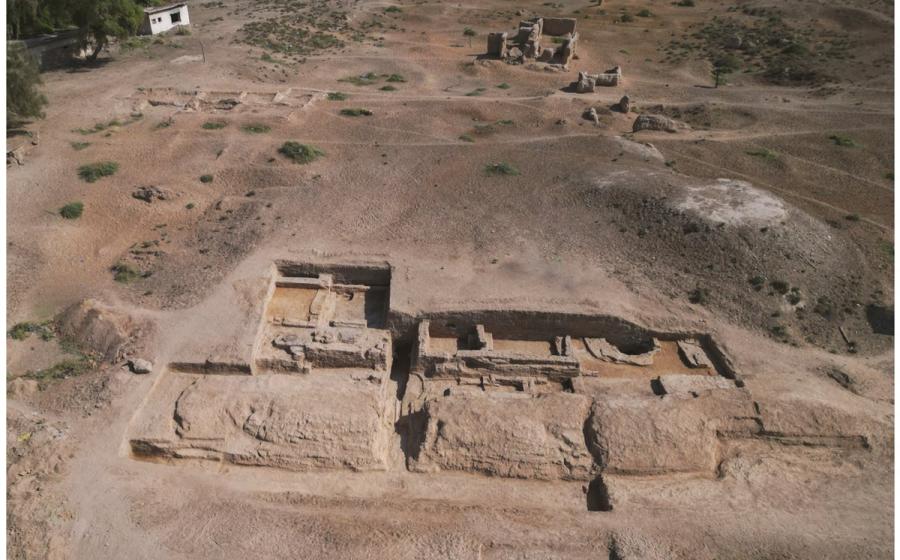
In the 1850s, the British explorers Captain Felix Jones and Sir Austen Henry Layard dug into a low mound south of Baghdad and pulled out two hollow copper-alloy maceheads. Each carried the inscription "E.GAL ha-am-mu-ra-bi", which the University of Catania's Baghdad Urban Archaeological Project (BUAP) translates as "the palace of Hammurabi." On Monday, October 26, 2026, Iraqi and Italian archaeologists presented new finds from that same mound, Tell Muhammad, and showed off plans for a protective roof over the ruins, which they intend to turn into an archaeological park. So did the maceheads mark a palace of Hammurabi, and what has the new work found? Walls, gates and a small postern The National reports that Iraq's State Board of Antiquities